ع
ع


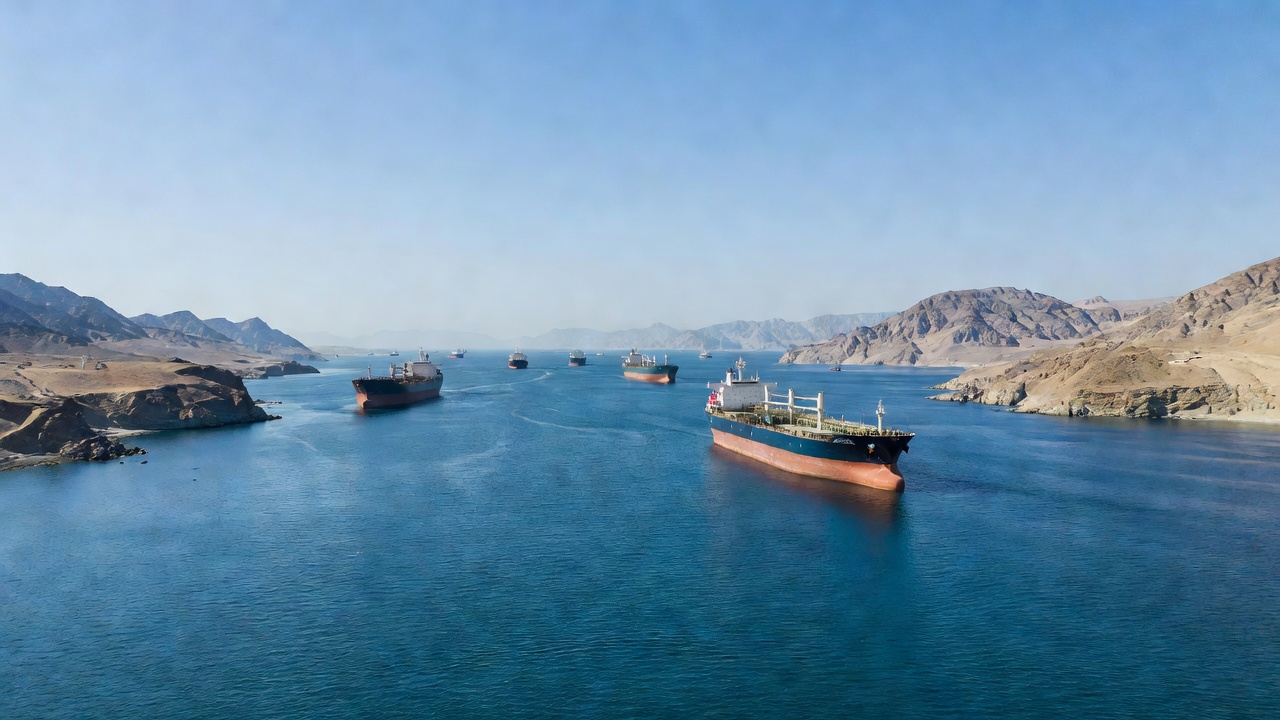
The United Arab Emirates Ministry of Defense condemned Iran’s attack on two tankers in the Strait of Hormuz as a brazen violation of international law that threatens regional security and stability. The assault killed an Indian sailor and wounded eight others including six Indians and two Ukrainians with four in serious condition. The ministry issued its statement shortly after the incident which took place as the vessels transited through Oman’s territorial waters according to UAE officials. The condemnation came amid heightened tensions that have disrupted maritime traffic in one of the world’s most critical energy chokepoints.
US President Donald Trump announced that the United States would reinstate a naval blockade on Iranian ports and impose a 20 percent charge on all cargo moving through the Strait of Hormuz effective from 2000 GMT on July 14. Trump stated the US would act as the guardian of the strait and that other nations would need to reimburse Washington for the costs of maintaining safe passage. Central Command reported conducting strikes on Iranian targets at 1645 ET on July 13 marking the third consecutive night of such operations aimed at degrading Iran’s offensive capabilities. The measures follow a period of relative calm after an earlier blockade was lifted in June as part of a memorandum of understanding to de-escalate the conflict.
Iran’s Islamic Revolutionary Guard Corps confirmed it targeted the tankers claiming they ignored warnings and that cooperation with aggressors would lead to regret and potential energy crises. Iranian Foreign Minister Abbas Araghchi posted on X that President Trump was absolutely right about compensation for secure passage but added that 20 percent was too much and Iran would be fair while affirming Iran has always been and will remain the guardian of the strait forever. A spokesperson for Iran’s Khatam al-Anbiya military headquarters Ebrahim Zolfaghari warned that repeated US adventurism endangers international security and trade describing cooperation with the US as an act of war that could engulf the region in flames.
The tanker incident forms part of an ongoing war that erupted after US and Israeli strikes on Iran on February 28 2026 which prompted Iranian retaliation against military bases in Gulf countries including the UAE according to multiple reports by The New York Times. Earlier Iranian attacks in March killed at least six people and wounded more than 100 often migrant workers in strikes on energy infrastructure in Qatar Saudi Arabia and the UAE a New York Times dispatch from that period detailed. The Pentagon assessed that US military operations in the conflict cost 11.3 billion dollars in a single week during March an Associated Press report from that time indicated.
Traffic through the Strait of Hormuz has declined sharply following recent exchanges of strikes with one New York Times update from earlier in July noting plummeted shipping volumes after an attack on a Cypriot-flagged vessel. The International Maritime Organization has consistently held that there is no legal basis for imposing mandatory tolls or charges on vessels transiting international straits such as Hormuz a stance highlighted in responses to prior proposals during the conflict. Maritime law experts cited in various analyses have distinguished between illegal tolls for passage and permissible fees for specific services but affirmed that the current 20 percent charge lacks foundation under UN conventions.
Gulf Cooperation Council members have previously issued joint statements condemning Iranian military actions and calling for a return to diplomacy to avoid catastrophic regional consequences. The UAE and Qatar defense ministries reported intercepting Iranian missiles and drones in response to some of the escalations earlier in the year. These developments have raised concerns about broader involvement of US allies who according to assessments may resist contributing to the proposed reimbursement scheme for Hormuz security operations.