ع
ع


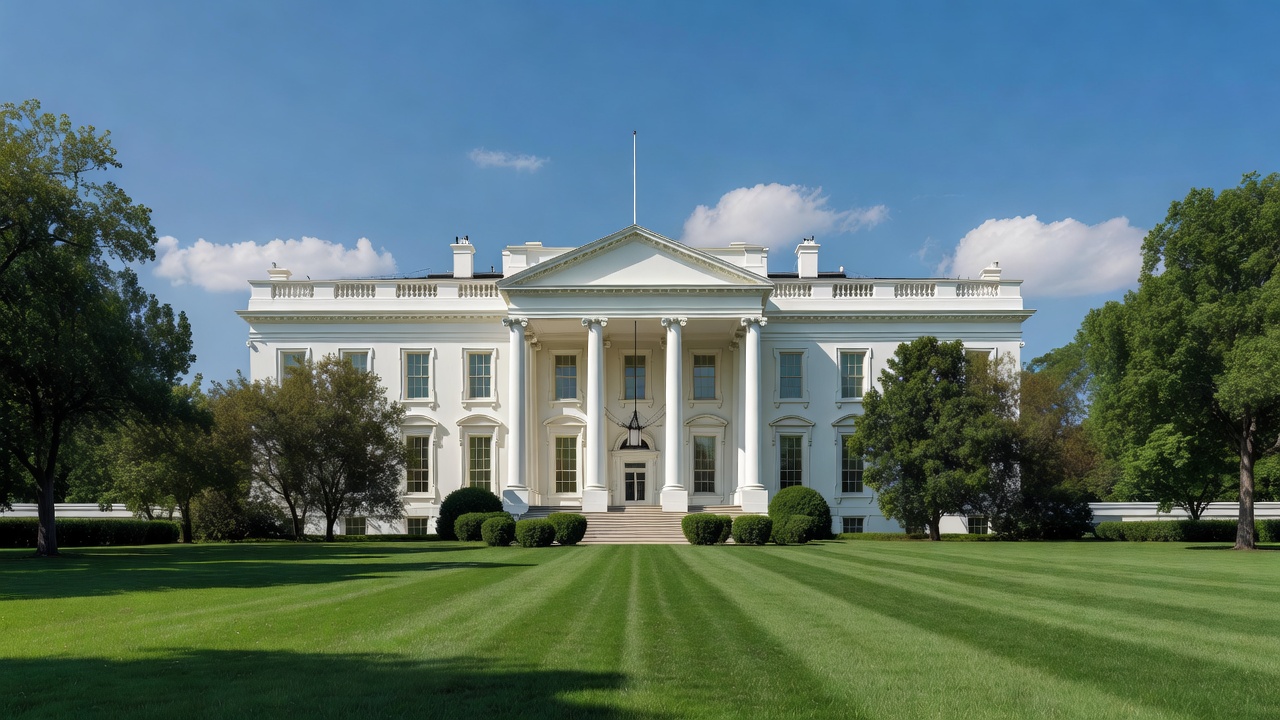
In an executive order released late Friday President Donald Trump certified to Congress that suspending portions of the Lindsey O. Graham Sanctioning Russia and Iran Act of 2026 served the national interests of the United States. The directive halts 500 percent tariffs on Russian goods as well as 100 percent tariffs on imports from the five largest purchasers of Russian crude oil and natural gas that were due to begin on Sunday. Trump directed administration officials to monitor nations importing Russian energy or aiding sanctions evasion while preserving the ability to reinstate the measures later according to the White House document.
The legislation Trump signed on Sept. 18 sought to curb Moscow’s energy revenues that help finance its military operations in Ukraine a conflict now in its fifth year. A Reuters calculation released this week projected Russian federal budget revenue from oil and gas taxes in October at about $12 billion representing a 10 percent year-on-year increase even as cumulative revenue for the first 10 months of 2026 is expected to fall 14 percent from the prior year. The law also extended Iran sanctions through 2031 and included waiver authority that the president invoked in Friday’s action.
Trump’s waiver arrives one week after his administration reached a diesel supply agreement with Russian President Vladimir Putin and eased certain restrictions to help address elevated global fuel prices. The pact allows additional Russian diesel into U.S. and world markets at a time when the Trump administration has prioritized lowering energy costs ahead of midterm elections. Administration statements indicated the waivers would remain until officials determine that further enforcement is appropriate.
A bipartisan group of 22 House lawmakers had urged full implementation of the Graham Act in a letter sent one day before the executive order calling for strict application of tariffs and sanctions on entities supporting Russia’s war effort. The measure named after the late Senator Lindsey Graham who died in July passed the Senate 86-11 and the House 262-159 before Trump signed it into law. Congressional records show Graham had championed the bill as a means to pressure the Kremlin to end its invasion.
The decision has raised concerns among European allies at a moment when Trump has publicly criticized Ukrainian President Volodymyr Zelensky and suggested Ukraine may need new leadership. CNN reporting from Friday noted that the waiver deepens alarm in Western capitals over potential shifts in U.S. support for Kyiv. European officials have warned that reduced pressure on Russian energy exports could prolong the conflict.
Data compiled by the Centre for Research on Energy and Clean Air indicated Russian seaborne oil export revenues stayed strong through September despite existing Western price caps and import bans. The independent group found that stricter enforcement of lower price caps could have cut those revenues by as much as 26 percent in September alone. Such figures illustrate how energy sales continue to provide Moscow with substantial funds amid the ongoing war.
The executive order makes clear that it does not remove sanctions previously imposed under earlier U.S. actions against Russia. Trump has highlighted countries such as India among the top buyers of Russian crude as targets for continued monitoring under the law’s provisions. The waiver framework built into the Graham Act permits presidential adjustments based on diplomatic economic and security developments.