ع



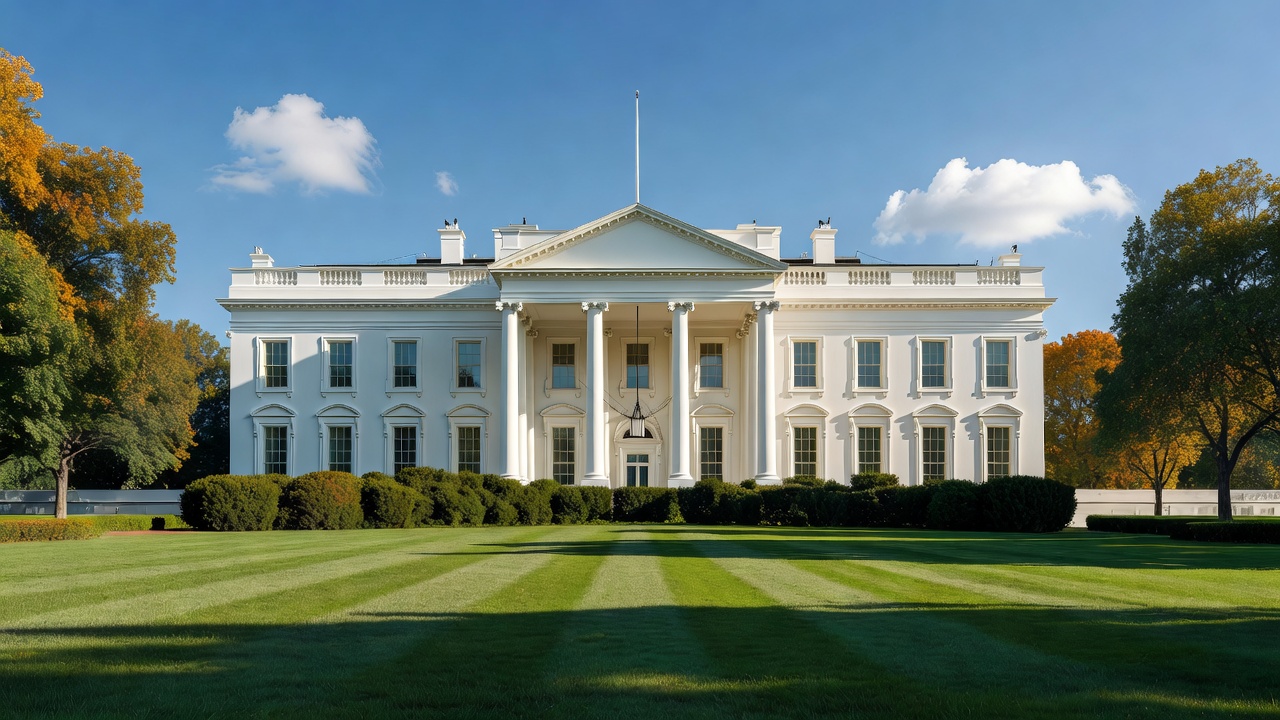
President Donald Trump told reporters at the White House on November 9, 2026 that military action against Iran did not seem necessary at this point even though the United States remained locked and loaded for any change in circumstances, Reuters reported. Trump added that the Iran war militarily is effectively over and that positive momentum existed toward ending the conflict fairly soon, the BBC stated in its coverage of the briefing. “We’re just keeping it the status quo, and we’re doing that really at the behest of countries that are their neighbours,” Trump said, according to the BBC account. The comments came after Trump hosted Qatari Prime Minister Sheikh Mohammed bin Abdulrahman Al Thani for discussions on regional talks to resolve the fighting.
Qatar, Saudi Arabia, the United Arab Emirates, Bahrain and Kuwait prefer the current situation with a continued naval blockade rather than renewed strikes, Trump told Reuters in a separate interview. The Qatari leader described the meeting as covering ways to advance US-Iran negotiations, Al Jazeera reported. Trump has indicated that a strong agreement on Iran’s nuclear program and reopening the Strait of Hormuz could make further attacks highly unlikely, CNN reported from a phone interview conducted the previous day. Secretary of State Marco Rubio cautioned that a diplomatic breakthrough was not imminent, according to the same CNN dispatch.
The conflict began on February 28, 2026 with US and Israeli strikes on Iranian targets that damaged military infrastructure and killed several leaders, a Reuters timeline shows. Iranian retaliatory actions included missile strikes on Israel and Gulf states hosting US bases along with attacks on shipping in the Strait of Hormuz that disrupted global energy supplies, according to Reuters summaries. The fighting has killed thousands, displaced millions and driven up worldwide oil and gas prices in the eight months since it started, Reuters data indicates. Trump had signaled before the US midterm elections that additional operations might follow but shifted tone afterward as Democrats gained control of Congress, a Reuters analysis found.
Quiet negotiations between the US and Iran have taken place in recent weeks with the aim of averting all-out war and opening pathways to broader discussions, CNN reported. Trump expressed optimism that a deal could be reached while stressing protection for Israel and US allies in the Middle East, the Guardian stated in its coverage. The naval blockade ranks among the largest in history and has contributed to limiting Iranian military movements, according to Trump’s remarks compiled by the Times of Israel.
Iranian officials dismissed aspects of Trump’s briefing as fake news about imaginary talks and reiterated demands that the US accept seven conditions set by Tehran, the Times of Israel reported. A senior Iranian security official urged Washington to stop manufacturing such narratives, according to the same account. Despite the public statements, both sides have continued limited actions including US strikes on an Iranian island and Iranian-backed attacks on tankers, Al Jazeera noted.
Voter dissatisfaction with the war and rising fuel costs played a role in the midterm results that weakened Trump’s position in Congress, Reuters reporting indicated. Gulf sources told Reuters that a Democratic-led Congress could constrain US military options and increase incentives for a negotiated end to the conflict. China has intensified mediation efforts while analysts cited by Reuters suggested Tehran must carefully assess whether to pursue a genuine agreement or test American resolve with further escalation.