ع
ع


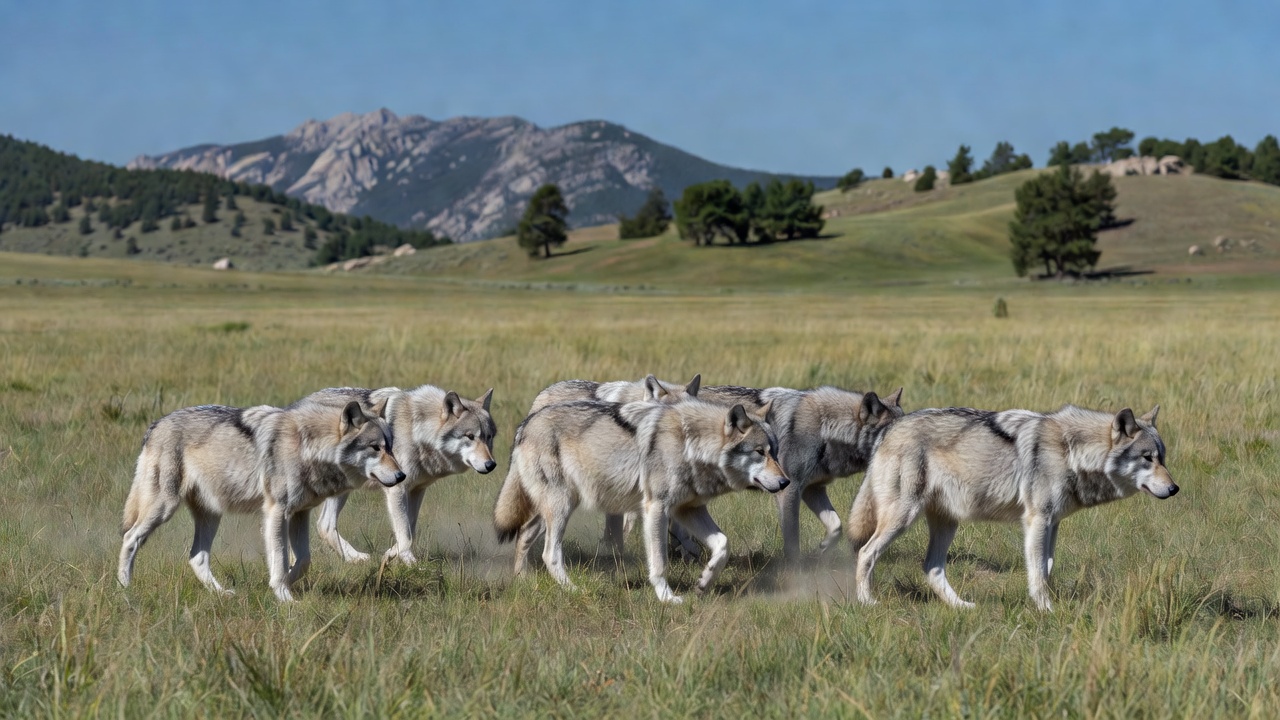
President Donald Trump signed the order in an Oval Office ceremony flanked by ranchers who described losses to their herds, according to a Washington Post report. The directive instructs Interior Secretary Doug Burgum to assess within 90 days whether the wolves’ populations have recovered sufficiently for removal from the endangered list and to recommend easing rules that allow ranchers and hunters to kill the animals when they threaten livestock. The move revives debates over the balance between wildlife conservation and agricultural interests in western states, where wolves have been protected under the Endangered Species Act for decades. Trump told attendees that ranchers must be permitted to defend their operations, framing the policy as support for rural economies and American heritage.
US Fish and Wildlife Service figures show there were 319 Mexican gray wolves in the wild in the United States in 2025, a sharp increase from just four when reintroduction began in 1998. The service’s data places the broader gray wolf population at roughly 18,000 across the country, though the animals remain listed because much of their historic habitat has been lost to human activity. A Center for Biological Diversity assessment found that Mexican wolves in particular rely on the federal protections, with the group warning that delisting could reverse gains achieved through captive breeding programs that started with only seven founders. The order also encourages states to align their own laws by removing additional safeguards for the species.
Conservation organizations including the Center for Biological Diversity and WildEarth Guardians issued a joint statement criticizing the executive order as a politically motivated concession to a small number of ranchers. Greta Anderson of Western Watersheds Project told reporters the action distracts from broader policy impacts on public lands while overstating the threat wolves pose to the livestock industry. Federal data cited by the groups indicated that even in areas with the highest conflict, such as Catron County in New Mexico, confirmed livestock losses to wolves represented less than 1 percent of the local cattle population at their peak. The organizations signaled plans to pursue legal action if the Department of the Interior proceeds with delisting.
The Trump administration in 2020 had previously moved to remove federal protections for gray wolves across most of the lower 48 states, declaring the species recovered after populations exceeded initial targets, according to an earlier US Fish and Wildlife Service announcement. A federal court vacated that rule in 2022 following lawsuits from environmental groups, restoring endangered status in many regions and leading to a subsequent settlement that called for a national recovery plan. The Washington Post noted that presidents from both parties have attempted similar adjustments, only for many to become entangled in litigation that ultimately returns management questions to the federal level. Congress has also weighed in, with the House passing legislation last year directing reissuance of the 2020 delisting rule.
Ranchers participating in the Oval Office event described watching wolves attack cattle, underscoring arguments that current rules leave them unable to protect their livelihoods without risking federal penalties. The executive order directs coordination between the Interior and Agriculture departments to revise evidentiary standards for confirming livestock predation and to support state-level management. Pacific Legal Foundation attorneys argued in a statement that the Endangered Species Act requires delisting once recovery goals are met based on the best available science, citing the service’s own earlier assessments that western gray wolves no longer qualified as threatened. This latest intervention arrives as states like Colorado continue managing a wolf reintroduction program launched in 2023 that has heightened tensions with agricultural producers.
The order stops short of immediately authorizing widespread wolf hunting but sets a timeline for regulatory changes that could reshape management across multiple states. Environmental advocates have highlighted the ecological role wolves play in controlling prey populations and maintaining balance in western ecosystems, a position supported by long-term studies from the US Fish and Wildlife Service. With the 90-day review period now underway, both supporters and opponents anticipate further court battles similar to those that followed the first Trump administration’s 2020 delisting attempt. The policy shift reflects ongoing divisions over how to interpret recovery under the Endangered Species Act more than 50 years after gray wolves were first listed.