ع
ع


President Donald Trump told reporters aboard Air Force One on Sunday that Iran had been aware of the scale of a planned US attack and that talks in the form of a negotiation would start the next day. In a Truth Social post the previous day, according to multiple news outlets including Bloomberg, the president said both Iran and regional partners had asked him to hold off on strikes because the outlines of a deal had been reached. Trump added that he was not seeking to kill people and that the United States remained ready to act if needed while declining to set any firm deadline for an agreement.
Saudi Arabia’s Crown Prince Mohammed bin Salman along with the United Arab Emirates and Qatar urged the cancellation of strikes over the weekend, Trump stated during his remarks. The president claimed there would be a deal on the Strait of Hormuz and separately on the nuclear issue, a position that comes after months of tit-for-tat military actions. Global oil prices dropped sharply in Asian trading on Monday with Brent crude falling more than 4 percent as markets reacted to the prospect of de-escalation.
Iran has yet to publicly confirm the start of the new talks and its semi-official Mehr news agency rejected Trump’s assertion that Tehran had requested the pause in military action. According to Iranian media, Foreign Minister Abbas Araghchi indicated on Sunday that separate negotiations with Oman on a Hormuz agreement were advancing toward finalization. Acting Defence Minister Majid Ibn al-Reza earlier described all threats as real and credible even if part of psychological operations, stating that Iran would neither be caught off guard nor remain passive.
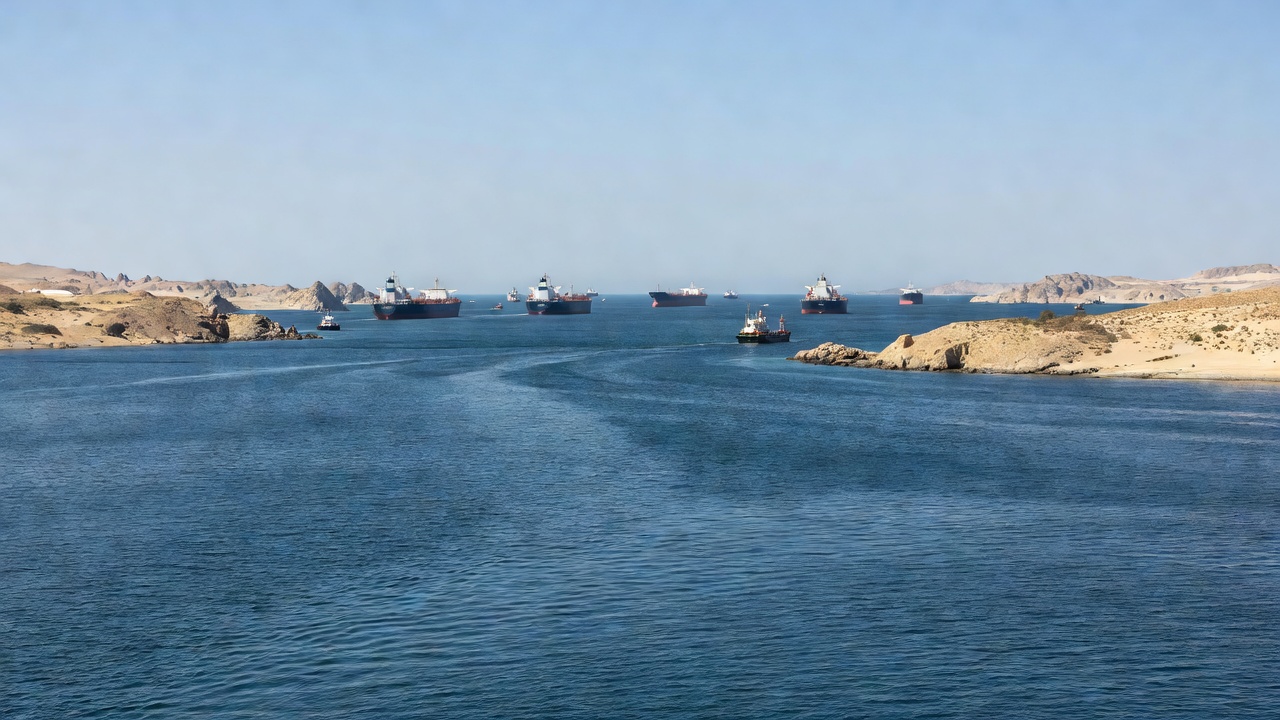
The conflict began on 28 February 2026 with US and Israeli military operations against Iran, prompting Tehran to close the Strait of Hormuz on 4 March and disrupt roughly one-fifth of global oil and liquefied natural gas flows, a Congressional Research Service assessment found. International Energy Agency data characterized the resulting supply shock as the largest in the history of the global oil market with Brent crude at one point exceeding 120 dollars per barrel. A Wikipedia compilation of economic impacts noted that the closure stranded exports and forced entities such as QatarEnergy to declare force majeure on LNG shipments.
Previous face-to-face negotiations occurred in Pakistan on 7 April and were led by Vice President JD Vance yet failed to produce a final accord despite initial promises of strong inspections and sanctions relief tied to Iran’s recovery. A 2025-2026 negotiations overview on Wikipedia recorded that Trump had warned a whole civilization could die if talks were refused and later described planned strikes as the largest since World War II. The current round of diplomacy follows a June memorandum of understanding that allowed partial reopening of the strait and some Iranian oil exports to resume.
Iran’s Petroleum Ministry reported selling 11.5 billion dollars worth of crude during the war with higher prices contributing around 3 billion dollars in additional value during the first half of the year, according to an Al Jazeera dispatch. The International Energy Agency has downgraded its global oil demand forecast for 2026 by 1.1 million barrels per day citing prolonged conflict effects. Polls cited in US coverage have shown broad American dissatisfaction with the war’s handling including among Republicans, prompting concern among conservative strategists ahead of November midterms.