ع
ع


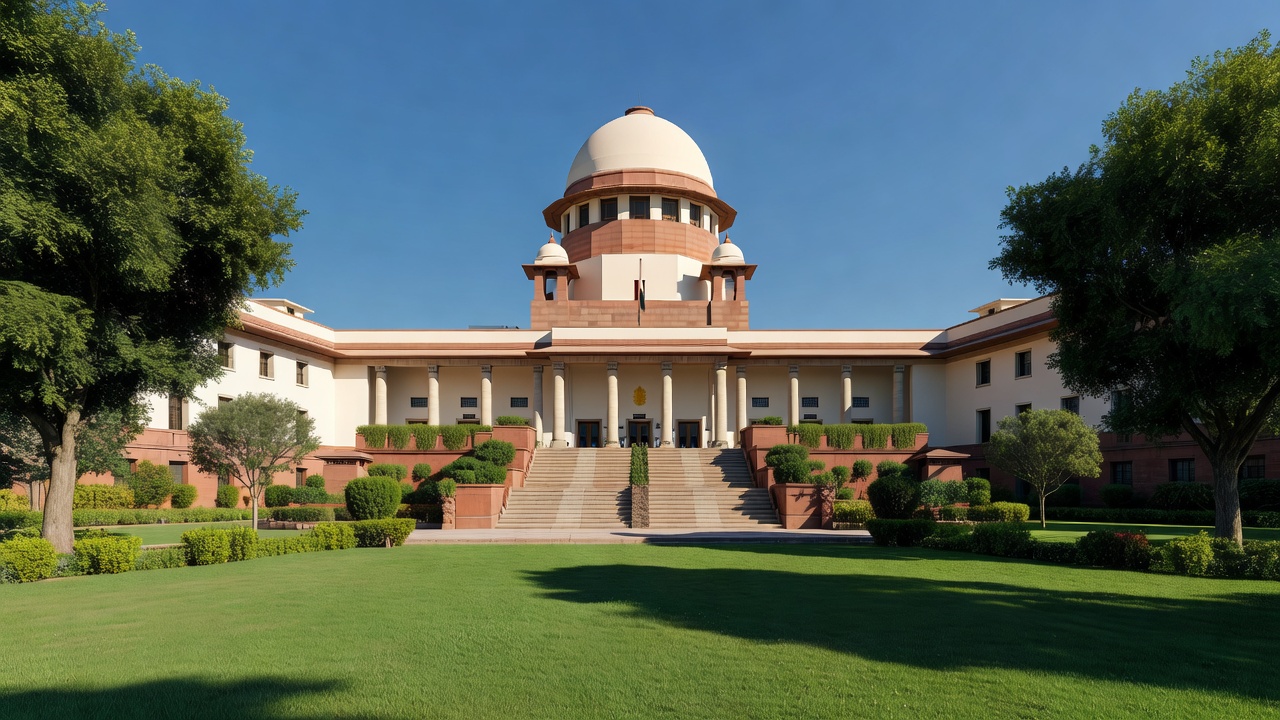
The Aircraft Accident Investigation Bureau detailed in its affidavit that the probe remains on track with the analysis phase set to wrap up in approximately six weeks. Court documents show the agency has gathered extensive materials including flight data and a full cockpit voice recorder transcript. According to the filing the bureau anticipates delivering the draft document to relevant authorities in October.
Investigators have undertaken a review of organisational culture human factors and safety practices as part of the completed steps according to the AAIB submission. A psychological autopsy was conducted with the psychologist’s final report already received the agency stated. The Directorate General of Civil Aviation has coordinated closely with the AAIB throughout the process providing regulatory data on Air India’s operations prior to the incident.
The crash occurred on 12 June 2025 when the Boeing 787 Dreamliner lost power seconds after departing Ahmedabad airport for London and struck a building six kilometres away an official sequence confirmed in the July 2025 preliminary report. All 241 people on board perished along with 19 on the ground leaving only one survivor identified as British national Viswashkumar Ramesh. International Civil Aviation Organization statistics had previously placed India among nations with strong commercial aviation safety records for more than a decade before this event.
The preliminary report released last July indicated that fuel-control switches were moved to the cut-off position triggering the power loss according to AAIB findings. Cockpit audio captured the pilots questioning events in the critical moments the document noted. A Reuters analysis of global jet incidents that year highlighted how rare such dual-engine failures remain in modern wide-body aircraft like the 787.
Media reporting in the weeks following the crash drew sharp rebuke from investigators for its impact on witness cooperation. The AAIB stated that media speculation and narrative attributing blameworthiness to the pilots have regrettably caused some witnesses to become restrictive and non-responsive. Pilots’ associations in India echoed these concerns in statements to local outlets arguing that premature conclusions could compromise the technical focus of the inquiry.
India’s aviation regulator reported a surge in safety audits and training mandates across carriers in the 12 months after the disaster with Directorate General of Civil Aviation annual figures showing expanded simulator sessions for similar aircraft types. The incident prompted Boeing to issue additional guidance on 787 systems which was incorporated into Indian fleet protocols according to manufacturer updates shared with regulators. An IATA safety review published earlier this year noted that while fatal accidents remain exceptionally rare in the region such events accelerate industry-wide protocol revisions.
The Supreme Court case stemmed from a petition by the family of deceased pilot Capt Sumeet Sabharwal seeking transparency in the timeline according to filings reviewed by multiple outlets. The AAIB has committed to providing regular progress reports as the final stages unfold the affidavit confirmed. Additional organisational records and external expert inputs continue to feed into the comprehensive assessment ahead of the October target.