ع
ع


The latest wave of anti-government demonstrations in Albania entered a violent phase this week with students taking a leading role in protests that spread from the capital Tirana to several other cities. According to Reuters, thousands marched through Tirana on Friday, breaking windows and setting garbage cans alight on the fourth day of the campaign to force Prime Minister Edi Rama to resign. Police responded with tear gas and water cannons while protesters hurled stones, with the unrest also reaching Lezha, Elbasan, Shkodra and Korca where similar damage was reported. A New York Times assessment found that the protests brought the capital to a standstill as students set fires and barricaded roads.
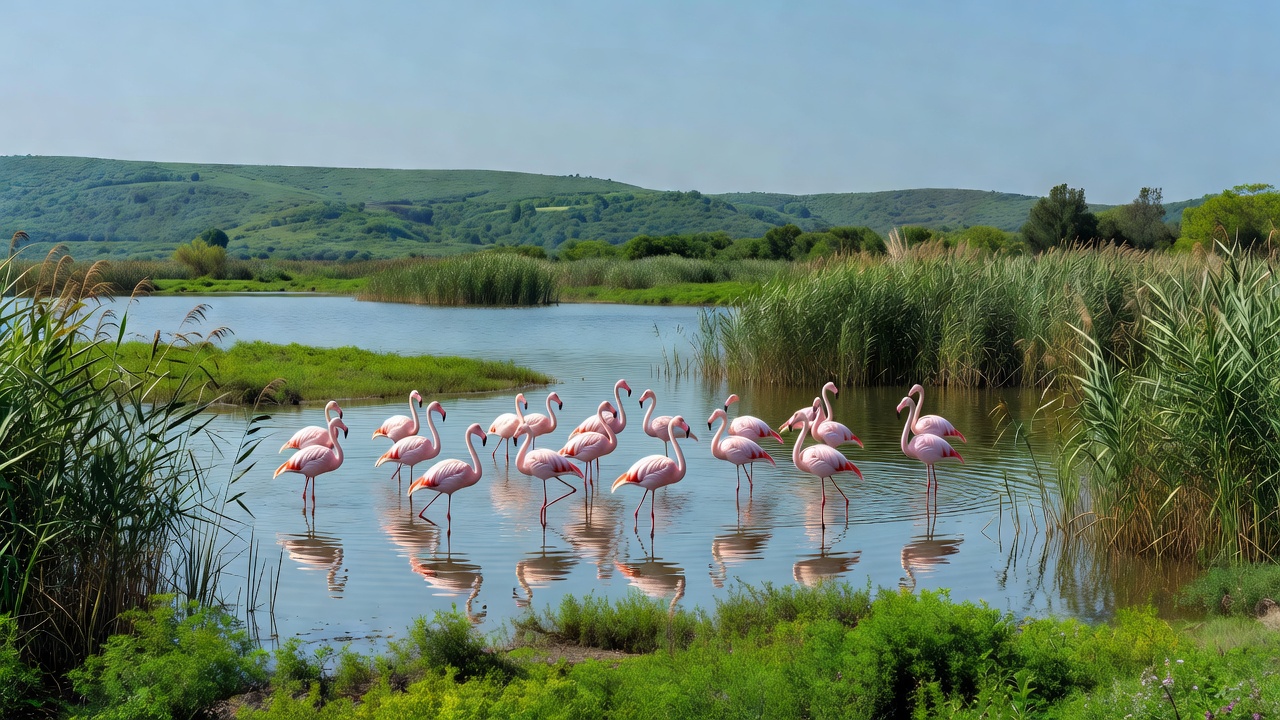
The demonstrations were initially sparked by opposition to a luxury resort project on the southern coast involving Jared Kushner, the son-in-law of US President Donald Trump, as outlined in a BBC report titled “Albanian protests turn violent: What we know”. The so-called Flamingo movement highlighted environmental concerns over the development’s impact on a nature reserve home to flamingos. Students later broadened the grievances to include rising education costs, poor university conditions, corruption and lack of job prospects after graduation, according to reports from The New York Times and AP News. The movement has marked the biggest challenge to Rama since he secured a fourth term in elections last year, Reuters data shows.
On Tuesday and Wednesday, the protests turned particularly destructive with demonstrators setting fire to the Education Ministry, a bank and other government buildings while smashing windows of offices and businesses, Reuters footage and witness accounts showed. Albanian State Police figures placed the number of arrests at 16 with another 49 facing criminal proceedings, while the health ministry put those injured at 89 including 61 officers on one of the days. Rama, quoted in a Reuters dispatch, rejected calls to resign and said his responsibility was to address legitimate concerns even as parliament cancelled its session amid the chaos nearby.
Protesters voiced anger about perceived corruption in the long-ruling Socialist Party and the quality of education, with one student telling The New York Times that Albanians had been protesting for more than four months without response. In the coastal town of Lezha and other locations, police clashed with stone-throwing crowds as fires burned in the streets, an AP News photo gallery documented. The violence followed months of mostly peaceful actions that students said the government had ignored, according to a Reuters summary of the timeline.
Rama has blamed foreign influences for fanning the unrest and stressed that Albania is tackling corruption as it seeks European Union membership, a Reuters interview with the prime minister reported. Economy Minister Delina Ibrahimaj condemned the burning of institutional premises as unacceptable, according to a Politico account of the events. Police urged peaceful participants to separate from masked agitators, noting that arson and property destruction carry penalties of up to seven years in prison, the Albanian State Police said in an official statement.
Central Tirana saw more than 10 hours of clashes on one day as groups breached multiple ministries and damaged private businesses including shopping centers, a France 24 dispatch detailed. High school pupils joined university students despite official calls for parents to keep teenagers at home, an FT report from the scene noted. The unrest has compounded pressure on the government as it navigates broader discontent over the cost of living and employment prospects for graduates.