ع
ع


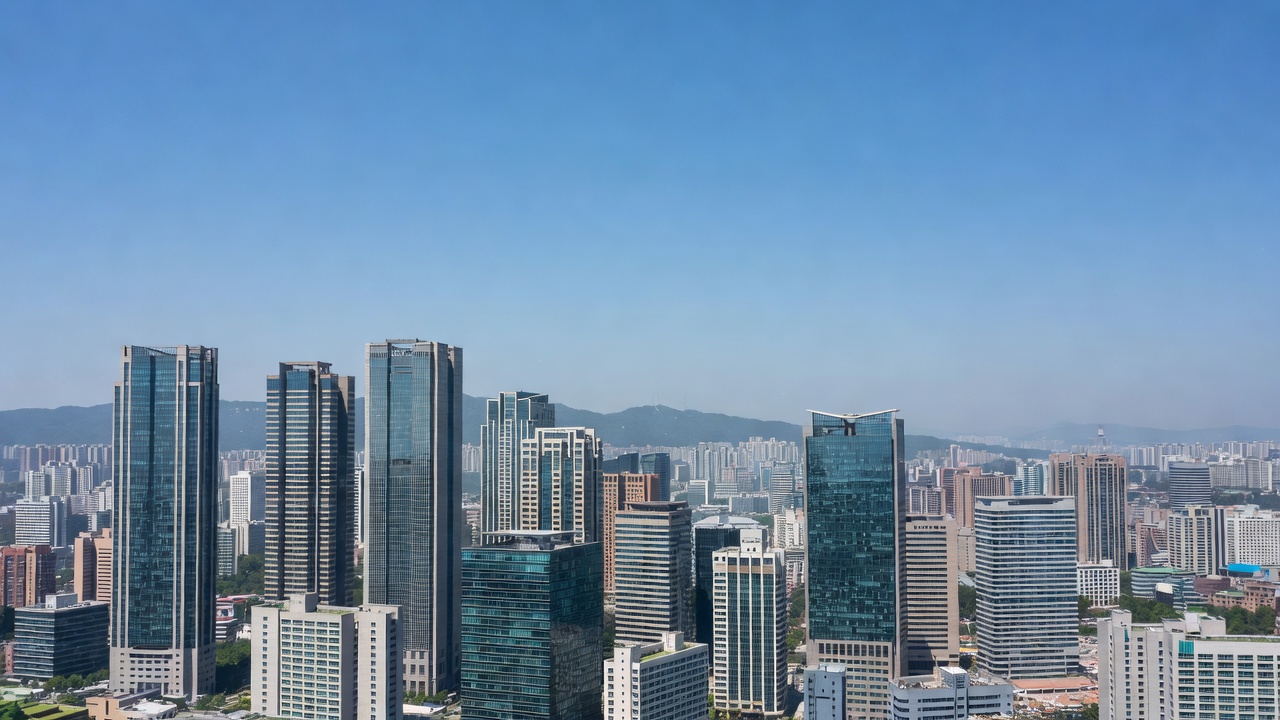
The Korea Meteorological Administration reported that Yangsan in the southeast reached 42.5C at 1:26 pm local time on Sunday, breaking the national high that had stood for 122 years since records began in 1904. The same city had set a previous mark of 41.4C only two days earlier and endured temperatures exceeding 40C across five consecutive days. Other southern population centers including Daegu and Busan registered highs in the upper 30s while more than 20 localities operated under emergency heatwave alerts introduced this year.
Health authorities tallied at least 19 heat-related deaths and nearly 1,900 cases of illness nationwide since mid-May with the Korea Disease Control and Prevention Agency placing confirmed fatalities at 14 and illnesses at 1,889 through early August. Officials instructed residents in affected zones to stop all outdoor activities immediately and activated restrictions on outdoor labour to limit further casualties among vulnerable groups. The figures reflect strain on emergency medical services that have managed a surge in cases during the prolonged extreme weather.
Seoul received its first severe heat warning under a government framework established earlier in 2026 to improve responses to rising temperatures. The Interior Ministry released additional relief funding and coordinated public safety orders across affected provinces. Multiple localities expanded cooling centre hours and distributed heat-stroke prevention guidance to residents.
A Reuters assessment placed the heatwave across much of the Korean Peninsula with parallel advisories issued in North Korea where state media noted packed indoor facilities. South Korean forecasters warned that high temperatures could persist for several more days with humidity elevating apparent heat levels. The pattern matches an upward trend documented in national weather archives.
Korea Meteorological Administration statistics show the average number of annual heatwave days has more than doubled to 19 in the past five years from eight during the 1970s. Separate scientific reviews have tied the increase in frequency and length of such events to regional climate shifts that have lengthened summers by roughly 20 days over recent decades. Studies cited by the KEIA indicate that mean temperatures have risen 1.5C since the 1981-2010 baseline.
Economic evaluations project that unchecked climate impacts including repeated heatwaves could reduce South Korean GDP by as much as 3.73 percent by 2050 according to G20 climate risk modelling. Past outbreaks have already produced livestock losses, doubled vegetable prices in some markets and driven energy consumption higher by several times during peak periods. One analysis estimated heat-driven GDP losses exceeding 200 billion won in severe years.
The current outbreak echoes the 2018 heatwave that produced more than 4,500 heat-related illnesses and 48 deaths according to health ministry records from that period. Public campaigns have since emphasised protection for outdoor workers and the elderly while authorities continue daily monitoring of temperature thresholds. Forecasters indicated that further records remain possible if the high-pressure system remains in place.