ع
ع


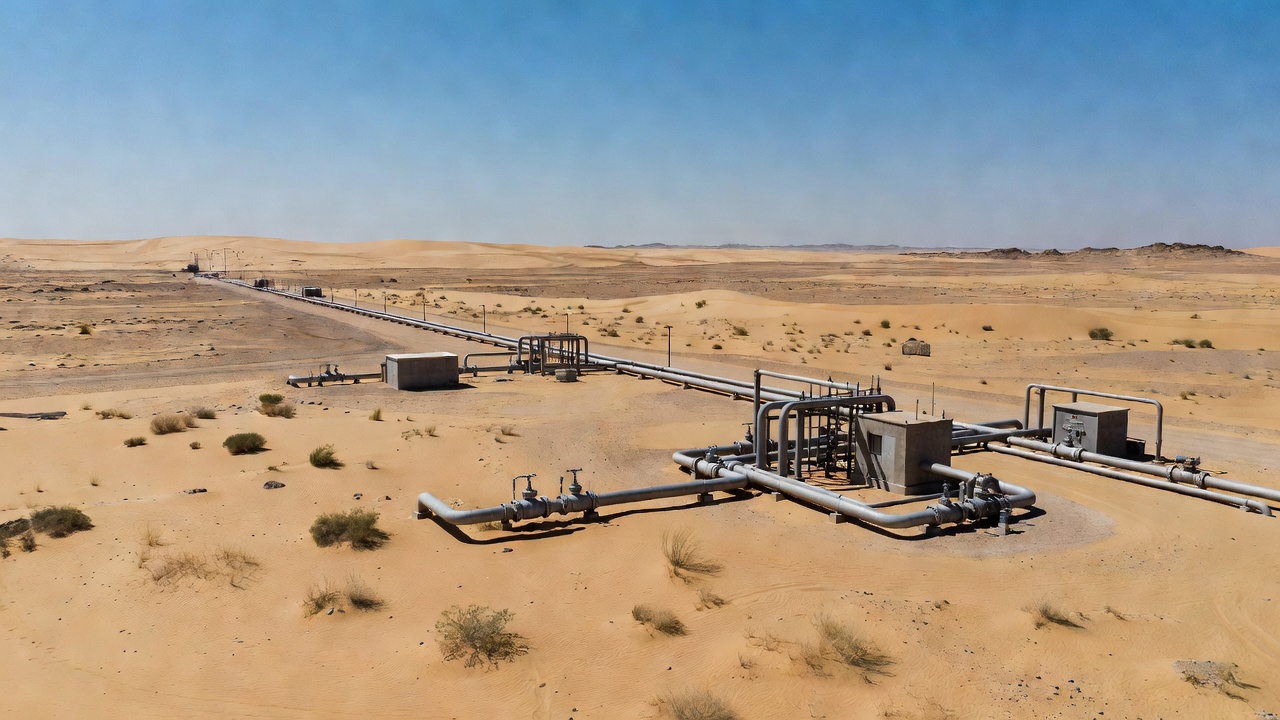
Satellite imagery has exposed the scale of destruction at a pumping station on Saudi Arabia’s East-West oil pipeline following a drone strike on September 10, 2026, that forced the immediate closure of the key export route. Vantor photos show the al-Mesabaah facility charred with extensive burn scars across the site and surrounding desert where crude oil pooled after the incident. The Middle East Forum’s geospatial intelligence report identified seven fresh fire locations along one 110-kilometer segment southeast of Medina, including a major blaze at the pump station that burned for over 13 hours at peak intensity.
Trade intelligence firm Kpler has assessed that repairs could require four to six weeks due to challenges sourcing parts amid disrupted supply chains. The 1,200-kilometer Petroline normally carries up to 4 million barrels per day to the Red Sea port of Yanbu, representing about 4 percent of global supply according to industry estimates. Stocks at Yanbu would support exports for only five to seven days without the pipeline, three sources familiar with Saudi operations told Reuters.
Saudi officials have blamed Iranian-backed militias in Iraq for launching the drones, an assault that followed renewed Houthi attacks on southwestern Saudi targets and preceded Riyadh’s retaliatory strikes in Yemen. CNN analysis of weather satellite data detected smoke plumes and nine fires near the pipeline, with several aligned to emergency flare pits but others indicating direct infrastructure hits. The incident forms part of a wider regional conflict that has targeted maritime routes through the Strait of Hormuz, making the overland pipeline a critical but now vulnerable workaround.
Brent crude prices climbed to $109.80 a barrel in the immediate aftermath before settling around $108, reflecting heightened fears over supply stability. Anne-Sophie Corbeau from the Center on Global Energy Policy at Columbia University described pipelines as “like sitting ducks” and said the strikes send a “very important signal” that alternative routes to the Strait of Hormuz “may not be super useful because they can be destroyed”. Homayoun Falakshahi, Kpler’s head of crude oil analysis, stated, “Based on new information we’ve received, damage to the pipeline could take four to six weeks to resolve, given spare-parts availability and impaired supply chains.”
High-resolution frames from Planet Labs and European Sentinel-3 satellites, shared through Reuters, reveal blackened ground, collapsed structures at the pumping station and visible oil seepage beyond the perimeter fence. The pipeline, built in 1981 to bypass Hormuz chokepoints, had seen increased utilisation as Houthi and Iranian actions disrupted tanker traffic in the Gulf. Soar Atlas mapping confirmed the most severe impact concentrated in the Hejaz region with no comparable damage on the eastern portion toward Abqaiq.
Prolonged outage risks compounding an already tight global oil market and adding upward pressure on energy costs worldwide. Saudi Aramco has offered no public update on resumption timelines while the energy ministry has not detailed repair progress or partial operations options. Ongoing satellite monitoring by firms including Maxar continues to track thermal signatures at the site for any signs of recovery activity.