ع



President Volodymyr Zelensky stated that Russian forces launched 36 ballistic missiles and 172 drones against 12 Ukrainian regions in an overnight assault on November 7, 2026, with the heaviest impact around the capital where energy infrastructure came under repeated attack. According to Ukraine’s air force only four ballistic missiles and 149 drones were intercepted during the waves of strikes that also damaged residential buildings and non-residential structures. The energy ministry reported that substations connecting the Rivne and Khmelnytsky nuclear power plants to Kyiv and central Ukraine sustained serious damage, compounding existing strains on the national grid.[[1]](https://www.bbc.com/news/articles/cm4g1nq8158po)
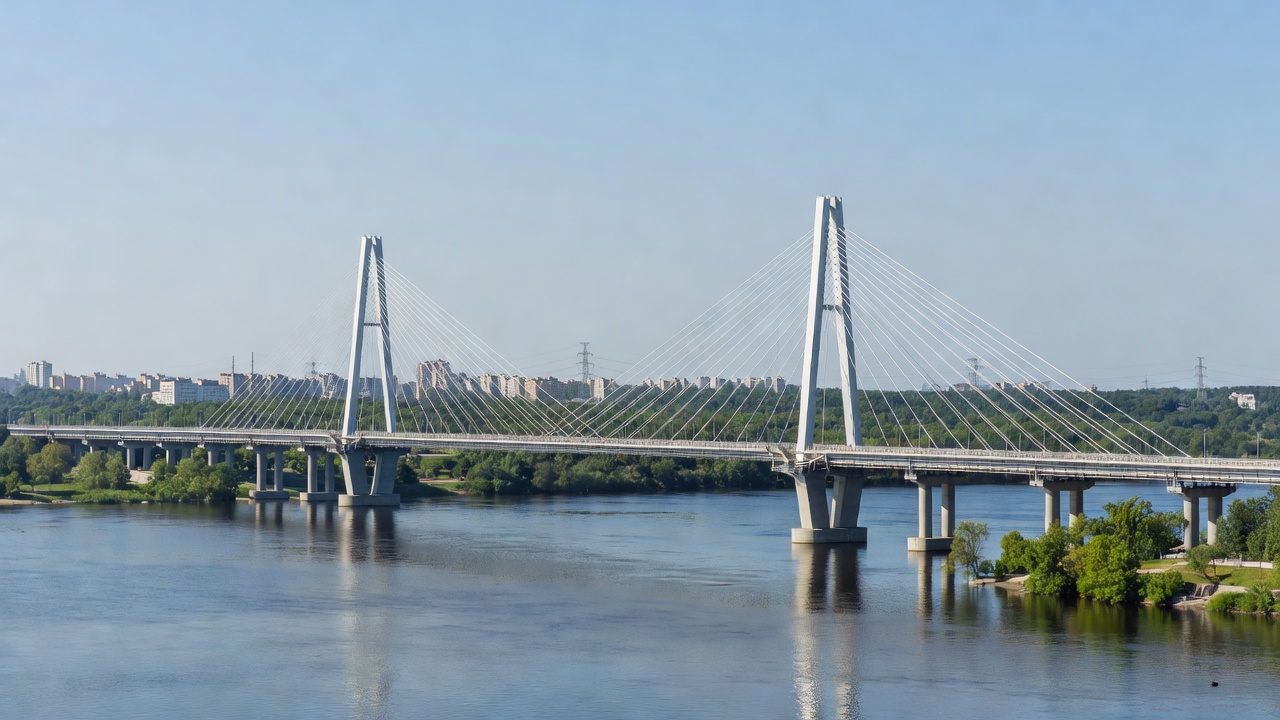
Kyiv Mayor Vitali Klitschko said the Northern Bridge across the Dnipro River was struck, damaging the roadway, trolleybus lines and power cables and forcing its immediate closure to all traffic in both directions while repair crews assessed the site. Klitschko added that the strikes on energy facilities in the Kyiv and Zhytomyr regions left the capital’s power supply in an extremely difficult state, disrupting heating and initially lowering water pressure though the water system later returned to normal operation. Around 60 percent of apartment buildings had been reconnected to heating by midday according to the mayor’s update, even as ground electric transport remained suspended in the city.[[2]](https://www.themoscowtimes.com/2026/11/07/russia-pounds-power-facilities-around-kyiv-damages-major-bridge-a94198)
Ukrainian officials reported that at least two people were killed and between nine and 37 others injured across the affected regions including a child in Kyiv, with rescue operations continuing where conditions permitted. The energy minister indicated power cuts were in effect in five regions though the precise number of households impacted was not immediately detailed. In Chernihiv the entire city lost electricity following the strikes, local authorities stated, while additional substations were hit in Vinnytsia, Rivne, Kharkiv and Dnipro regions.[[3]](https://kyivindependent.com/russian-attacks-kill-2-injure-37-across-ukraine-over-past-day-hit-substations-connecting-nuclear-power-plants-to-kyiv/)
Russia’s defence ministry said the operation targeted military-industrial facilities, energy sites and transport infrastructure in and around Kyiv in what it described as a response to Ukrainian actions, without providing further specifics on the strikes. The assault occurred as Ukrainian and Russian delegations prepared for trilateral talks hosted by the United States, with US First Lady Melania Trump having called for a more enduring ceasefire following a recent truce in the Kherson region. Zelensky linked the timing of the barrage to those upcoming discussions, describing it as an attempt to pressure Ukraine ahead of negotiations.[[4]](https://www.rferl.org/a/russia-strikes-kyiv-ukraine-trilateral-talks/33892815.html)
An assessment from the Institute for the Study of War found that such repeated strikes on energy infrastructure form part of a sustained winter campaign that has already forced nuclear plants to reduce output and caused emergency outages across multiple oblasts in early November. The pattern mirrors tactics used in the previous winter that damaged or destroyed roughly 80 percent of Ukraine’s power generation capacity according to the same assessment. Repair efforts have been repeatedly delayed by follow-on attacks, leaving cities vulnerable to prolonged blackouts as temperatures approach freezing.[[5]](https://understandingwar.org/research/russia-ukraine/russian-offensive-campaign-assessment-november-4-2026/)
DTEK, Ukraine’s largest private energy company, has seen multiple facilities taken offline in recent weeks by similar barrages, with executive Maxim Timchenko telling Reuters that the focus has shifted toward both generation and distribution infrastructure. Power outages in Kyiv have at times exceeded 10 hours daily in the lead-up to these latest strikes, officials noted. Ukrainian authorities continue to urge international partners to supply transformers, cables and generators to accelerate restoration before the peak of winter demand.