ع
ع


Russian forces conducted 57 attacks on civilian vessels in the Black Sea region during July with 22 of those occurring at sea alongside 67 strikes on port infrastructure according to Ukraine’s port administration as reported by the BBC. Odesa regional prosecutors cited by Reuters placed the death toll from strikes on civilian vessels between June 20 and July 20 at 21 people. One of the deadliest incidents took place on July 19 when three missiles hit the Turkish-owned Golden Leo carrying Ukrainian corn off Odesa killing nine crew members and a Ukrainian pilot before the ship sank a week later.
Svitlana Halchenko a warehouse shift manager at Odesa’s main port told the BBC that her crane operator and a driver died in a ballistic missile strike five metres from her position. “My crane operator my partner died five metres from me… The driver remained in the cabin. He also died” Halchenko said. She continues working despite shrapnel injuries but described the past weeks as very difficult for morale with frequent sirens and strikes leaving people tense.
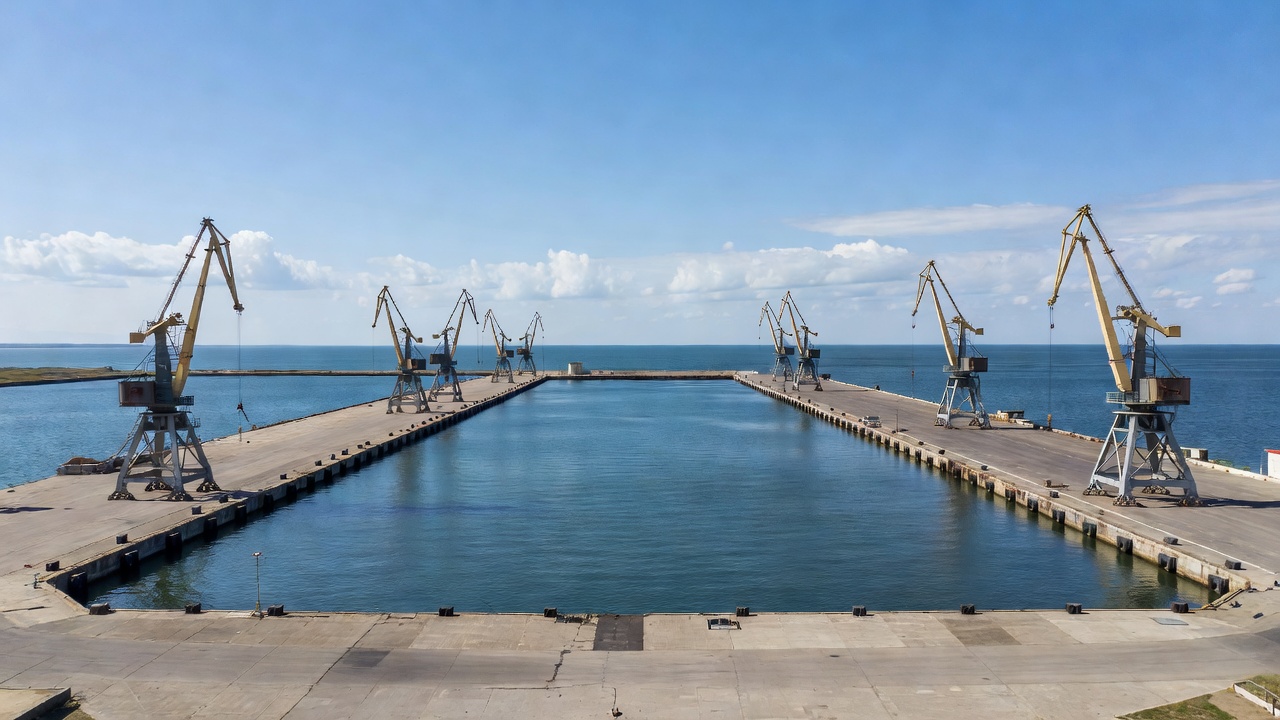
Port union chairman Oleg Grygoriuk stated in an interview with the BBC that many of his members who are veterans find conditions at the port scarier than frontline duty. Grygoriuk explained that a missile from Crimea can arrive in under a minute while descending from a crane takes three and a half minutes leaving no time to reach shelter. During a BBC visit to one of the ports conducted under strict military restrictions that barred naming the facility or filming a senior manager said the site normally sees queues of ships but now has hundreds of metres of empty berths with gantry cranes idle except for maintenance by a skeleton crew.
According to a Reuters report from late July shipowners had halted calls at Ukraine’s Black Sea ports with around 90 percent suspending operations as insurance risks soared following the attacks. Andrey Stavnitser co-owner and CEO of one of the largest ports in the area told the BBC that there is barely anybody who wants to call because of the problem with people getting killed and the whole supply chain on hold. The port manager added that recent alerts have forced the facility to shut down for 15 out of every 24 hours even though the ports remain technically open for commercial traffic.
Ukraine’s agriculture minister Taras Vysotskyi told Reuters that alternative grain export routes via road rail and river would not reach required capacity before the end of August and even then could handle only 50 to 55 percent of the roughly six million tons per month normally managed by Black Sea ports. Vysotskyi warned that just over 30 million tons of grain and oilseeds could remain unexported unless maritime access resumes with direct losses to the agricultural sector potentially reaching between 1.5 billion and 3 billion dollars in 2026. The assessment comes as Ukraine’s summer harvest is under way and farmers seek to sell crops quickly to fund the next production cycle.
Trading director for leading grain exporter Nibulon Volodymyr Slavinskyi told the BBC that the country had already lost the ability to deliver between half a million and 700000 metric tons of grains and oilseeds to global customers due to the port disruptions. Greater Odesa ports accounted for more than 73 million tonnes of Ukraine’s maritime exports last year including 38 million tonnes of grain according to Ukrainian trade records referenced in BBC reporting. Pre-invasion Ukraine supplied around 6 percent of global wheat exports and 10 percent of corn exports according to international agricultural data compiled by Reuters analysts.