ع



The Syrian government raised diesel prices by 40 percent to 175 Syrian pounds per litre on Sept. 13, 2026, following a smaller increase nine days earlier, according to an ACLED expert commentary published Oct. 27. The adjustments, driven by high global fuel costs and maintenance at the Baniyas refinery, prompted demonstrations in six governorates that day alone, with the northeast accounting for 80 percent of the fuel-related actions recorded. ACLED data showed economic grievances had already made up nearly half of all protests in early September, and the price decisions amplified public resentment into calls for reversing policies and removing officials including the energy minister. The protests echoed frustrations reported in urban centers such as Damascus and Aleppo, where residents faced compounded pressures from transport fare increases of 15 to 20 percent.
The Syrian lira came under renewed pressure this month, trading at about 142.5 to the dollar on the parallel market against an official selling rate of 122.5, a gap of more than 16 percent, L’Orient Today reported on Oct. 29. The currency had strengthened immediately after Assad’s ouster in December 2024 on hopes of eased sanctions and economic reopening, but much of that gain reversed as foreign inflows failed to match import demand. A redenomination that removed two zeros from the pound took full effect in 2026, yet black-market rates hovered near 14,000 in old-pound terms in recent weeks, according to multiple market monitors. Economists cited in the L’Orient Today assessment noted limited confidence in the banking system kept dollars outside formal channels.
Nearly 60 percent of Syria’s population remains food insecure, with more than nine million people acutely so, the United Nations has reported through its World Food Programme operations. FEWS NET’s May-to-September 2026 update found persistent Crisis-level outcomes in the northeast and northwest, where fuel-price rises of 17 percent in dollar terms and currency depreciation drove up bakery and agricultural costs. A 50-percent cut in WFP food assistance affected more than two million internally displaced people, while the minimum expenditure basket stayed 19 percent above year-earlier levels despite some seasonal stability. Public-sector salaries rose but still covered less than half the basic household needs basket, World Bank figures show.
Inflation returned after a period of deflation in 2025, reaching 27.5 percent year-on-year by April 2026 and projected to average 21.4 percent for the year, according to a World Bank assessment released in October. The bank recorded a 1.5-percent GDP contraction in 2024 followed by modest growth, though real gains remained constrained by liquidity shortages and elevated energy import bills. Fiscal revenues more than doubled on customs and oil receipts, yet the deficit widened to 4.7 percent of GDP as spending outpaced income. Regional conflicts, including disruptions from the Iran war, added to supply-chain costs that fed through to consumer prices for food, transport and electricity.
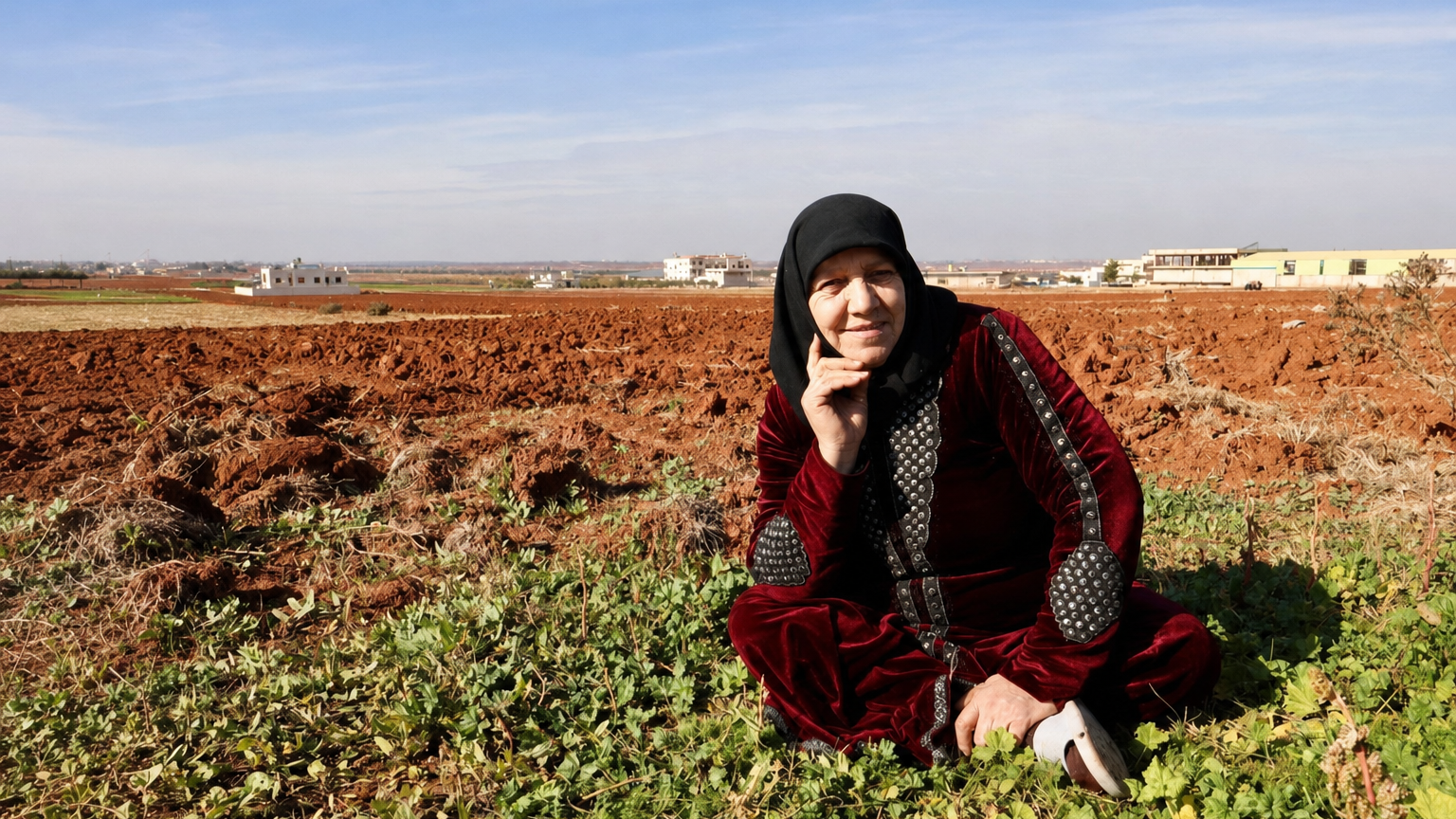
A historic drought cut wheat production by around 40 percent in 2026, creating a shortfall of 2.73 million metric tons and raising the prospect that three million Syrians could face severe hunger, Reuters reported on Oct. 30 citing FAO and WFP data. Domestic output fell to roughly 1.2 million tons against annual consumption of four million tons, forcing greater reliance on imports that the cash-strapped administration has struggled to secure at scale. The United Nations estimated that at current 1.3-percent annual growth rates, Syria’s economy would not regain its 2010 GDP level until 2080, a span of 55 years. The assessment called for accelerated investment to lift growth to between 3.7 and 7.6 percent annually over the next decade or two.
Targeted support for vulnerable households and faster integration of northeast resources could improve the outlook, the World Bank indicated, while warning that renewed insecurity or financing shortfalls might derail progress. Humanitarian funding for Syria’s 2025 plan reached only 35 percent, limiting the buffer against price shocks. The transitional authorities have lifted many sanctions and reconnected to global finance, yet ordinary Syrians continue to report that daily essentials remain out of reach for the 90 percent living below the poverty line.