ع



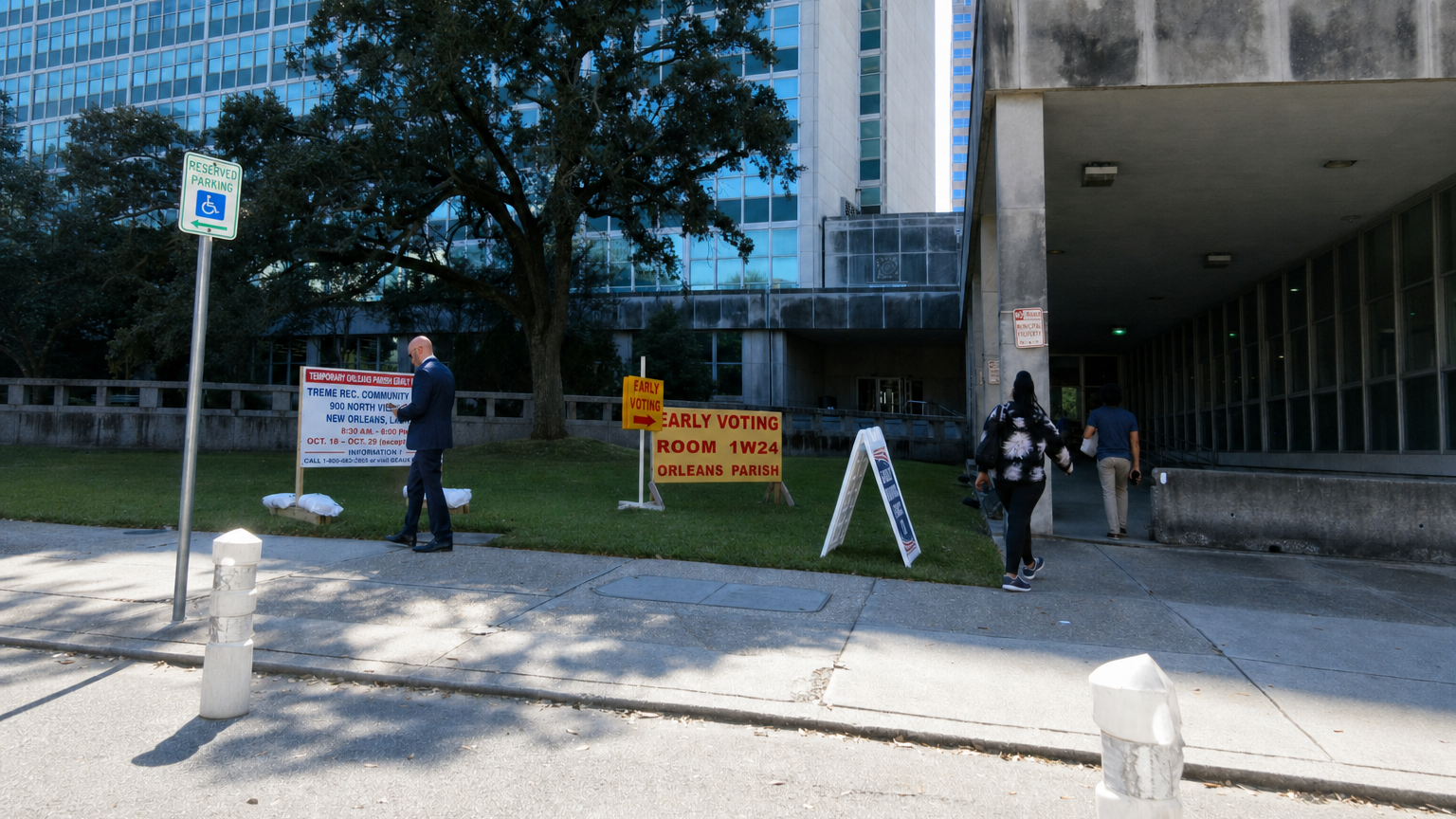
University of Florida Election Lab figures place the early vote total above 43 million with less than a week until the November 3 election, as four to five million ballots have arrived daily in recent days at a pace that exceeds most previous midterms. Professor Mike McDonald, who maintains the database, noted that Texas has recorded more than 5.8 million ballots, surpassing its entire 2022 early vote by about 1.75 million while emerging as a critical state that could help determine Senate control for the remainder of President Donald Trump’s term. Overall turnout looks set to challenge or exceed the 2018 midterm, which set the highest mark since 1914, according to McDonald, even as Hispanic communities have shown notably stronger participation than in past elections.
Trackers including On Point Politics reported 42.4 million ballots cast across 47 states by October 30, split between 20.8 million returned by mail and 21.6 million cast in person, with another 27.9 million mail ballots still outstanding. The Washington Post placed the figure above 39 million several days earlier, highlighting upticks over 2022 levels in multiple states while a Guardian review found early votes in Georgia, North Carolina and Texas already representing 35 to 45 percent of those states’ full 2022 turnout. Competitive races in Michigan, Ohio and Florida have also driven engagement, according to compiled state data.
In states that record party registration, Democrats have accounted for 41 to 44 percent of early ballots compared with 31 to 32 percent for Republicans, University of Florida Election Lab statistics show, marking an increase in Democratic participation while Republican early voting has held steady with 2022. McDonald observed that unaffiliated voters are also turning out at higher rates, though their ultimate choices cannot be determined from registration alone. NPR reporting cited MIT professor Charles Stewart explaining that the numbers reflect both voter enthusiasm on key issues and substantial campaign investments in early mobilization efforts.
Stewart cautioned in an NPR interview that a surge in early voting does not automatically signal higher overall turnout, since many of those ballots would likely have been cast on Election Day anyway. Legal challenges over ballot counting in states such as California and Washington have added uncertainty in the final stretch, according to Spectrum News accounts of disputes involving thousands of ballots and allegations of ineligible voters. Despite such hurdles, mail-in requests have exceeded 2022 volumes, NBC News data drawn from TargetSmart and the University of Florida Election Lab indicate.
The early patterns have drawn attention from both parties as they assess prospects for House and Senate majorities, with analysts noting that midterms often favor the opposition party amid public frustrations over economic pressures and other national concerns. A review by Carmena Research highlighted that the Democratic advantage among early voters by party registration stands at 15 points, wider than in 2022 at a comparable stage. Campaigns continue urging supporters to vote in the remaining days, particularly in battlegrounds where the margins could prove decisive.