ع
ع


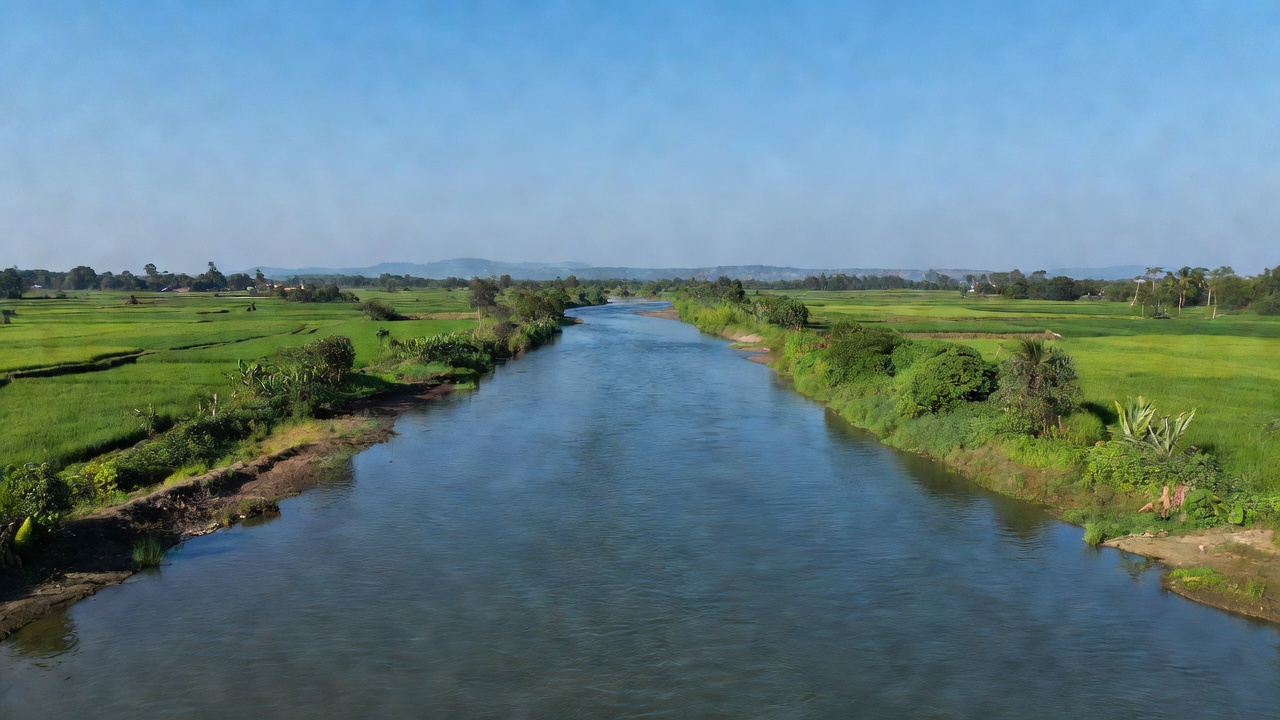
Bangladeshi Prime Minister Tarique Rahman urged Chinese leader Xi Jinping to help reduce the trade gap and expedite stalled infrastructure projects during talks in Beijing on June 26 2026 according to a Reuters report from that day. Rahman specifically asked China to import more Bangladeshi fruits pharmaceuticals and other goods while seeking faster delivery of key initiatives. The discussions produced pledges from Xi that China would boost imports from Bangladesh and support greater Chinese investment in the South Asian nation as the two sides agreed to speed up a joint feasibility study for the Teesta River management project.
The Beijing summit represented Rahman’s first official visit to China since his Bangladesh Nationalist Party won a landslide victory in February 2026 elections that followed the ouster of former prime minister Sheikh Hasina in 2024. Bangladesh owes China more than six billion dollars and sources over 70 percent of its arms imports from Beijing data compiled by Reuters shows. China has additionally offered to help develop an economic corridor linking it with Myanmar and Bangladesh while committing funds toward modernization of the Mongla port and creation of a special economic zone nearby.
Indian officials have voiced reservations about expanded Chinese activity near sensitive border areas particularly around the Siliguri Corridor. Former Indian foreign secretary Shyam Saran told the BBC “Any Chinese involvement in any project close to our border will always be a matter of concern. So we would certainly not welcome that at all.” Chinese foreign ministry spokesperson Guo Jiakun responded that “China-Bangladesh cooperation does not target any third party and should be free from third party influence.”
At the same time Bangladesh has taken concrete steps to ease tensions with India that had worsened after Hasina fled to Delhi following her removal from power. Bus services between Kolkata and Dhaka as well as Dhaka and Agartala resumed after an 18-month suspension while India dispatched thousands of tonnes of emergency fuel through the Friendship Pipeline during regional energy shortages Reuters and BBC reports noted. Bilateral trade between the neighbors stood at roughly 13 billion pounds last year though the balance tilts heavily toward India and India has begun issuing tourist visas to Bangladeshis again as cross-border economic activity normalizes according to Saran.
Former Bangladeshi diplomat Humayun Kabir told the BBC that lingering irritants such as reported push-backs of Bengali-speaking Muslims by India’s Border Security Force without proper process had fueled public dissatisfaction in Bangladesh. “All these things got high visibility and created public dissatisfaction in Bangladesh which in a way reflected on Dhaka’s thinking process” Kabir said. The interim administration that preceded Rahman’s government had already secured about 2.1 billion dollars in Chinese investments loans and grants during high-level visits to Beijing Al Jazeera reported in February.
China remains Bangladesh’s largest trading partner and a major development financier with cumulative commitments under the Belt and Road Initiative exceeding 40 billion dollars although actual disbursements have been lower according to analyses from the Atlantic Council and other think tanks. Rahman has publicly described China as a “development friend” while stressing that his government will pursue partnerships based on protecting national interests and sovereignty Reuters interviews with him indicated. The latest engagements highlight Dhaka’s continued effort to secure economic support from Beijing without fully distancing itself from New Delhi despite the presence of Hasina on Indian soil complicating high-level visits.