

 ع
ع


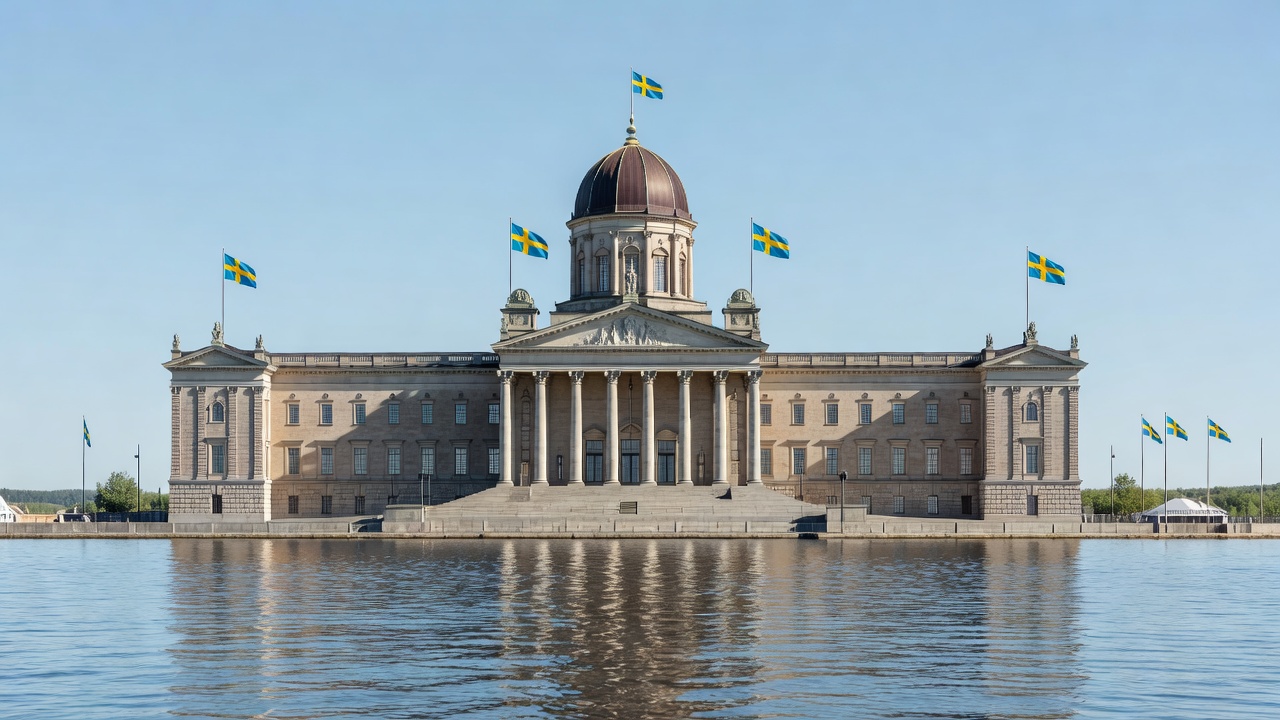
Swedish public broadcaster SVT issued a projection based on partial results from the September 13 general election that put the centre-left opposition bloc on 175 seats in the 349-seat Riksdag while the centre-right government bloc secured 174. The Social Democrats captured 27.6 percent of the vote to lead all parties while the Moderates received 20 percent and the Sweden Democrats 17.5 percent according to SVT data. This outcome leaves both sides near the 175-seat majority threshold and sets the stage for prolonged coalition talks once full counts emerge from the Swedish Electoral Authority.
A parallel forecast from TV4 aligned closely with the SVT numbers and underscored the race’s tightness as additional districts continued to report. The Sweden Democrats registered a decline of nearly three percentage points from the 2022 election when Valmyndigheten certified their support above 20 percent. Reuters reporting in the weeks before the vote had tracked a late surge by the right-wing alliance that narrowed what had been a clearer opposition lead in earlier polls.
Prime Minister Ulf Kristersson heads a centre-right coalition of Moderates, Christian Democrats and Liberals that has drawn parliamentary backing from the Sweden Democrats since 2022. The centre-left opposition groups the Social Democrats with the Left Party, Greens and Centre Party under former prime minister Magdalena Andersson. Bloomberg noted that initial exit polls had suggested a stronger opposition performance before later counts brought the blocs into virtual alignment.
The Guardian cited analysts who described the result as a cliffhanger that could still shift with further tallies processed overnight. Andersson told reporters her bloc had sent a message about fatigue with current policies while Kristersson called for calm pending the complete count. The Irish Times quoted election observers saying the one-seat gap made the final result impossible to predict with certainty at that stage.
Reuters assessments earlier in 2026 had connected the government’s immigration tightening to recruitment difficulties reported by Swedish companies in innovation sectors. The National Institute of Economic Research supplied data confirming that adjusted VAT measures on food had delivered lower retail prices in the election run-up. Such economic and labour issues had featured heavily in campaign debates between the two blocs.
The Liberals looked set to surpass the 4 percent parliamentary threshold according to all major projections while several smaller parties recorded gains. This distribution would still require careful negotiation to assemble a stable government in either direction. The Electoral Authority indicated that complete certified results would follow in the days after the September 13 vote.