

 ع
ع


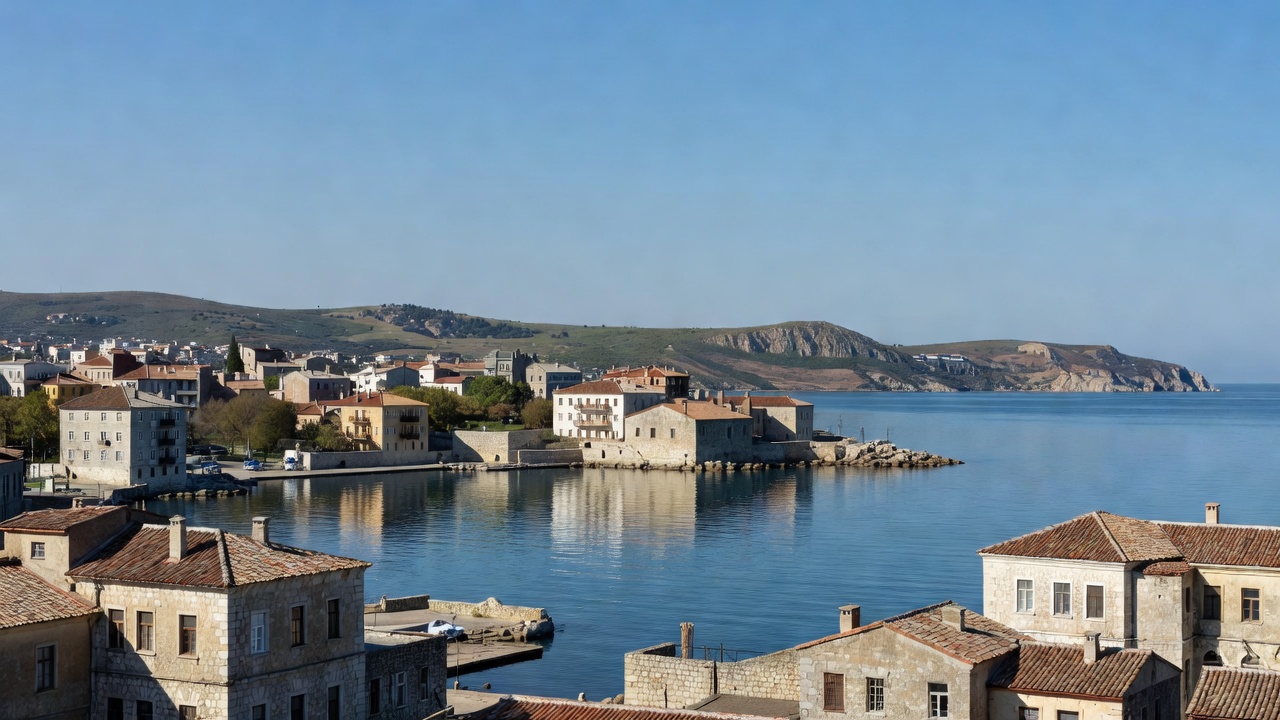
A resident inside Crimea told the BBC the situation there is catastrophic as Ukrainian drones struck oil refineries power plants and military targets on the peninsula. Strikes on Russian-annexed Crimea have increased significantly in recent weeks partly to cut off supply lines to Russian troops attacking Ukraine from the south the broadcaster reported. Eastern Europe correspondent Sarah Rainsford outlined why Kyiv is striking now and why the peninsula matters personally to Russian President Vladimir Putin according to the BBC segment.
The New York Times reported on July 2 that thousands of people in Crimea are experiencing prolonged electricity outages with water supplies that rely on electric pumps also disrupted. Summer camps for children have been evacuated and shut for the season while Ukrainian strikes have successfully disrupted fuel supplies the newspaper stated. In Sevastopol residents along at least 100 streets suffered power outages this week with authorities imposing emergency cuts lasting for half a day according to the publication.
Reuters reported on June 10 that residents in Russian-controlled Crimea were grappling with gasoline rationing after Ukrainian drone attacks constricted supplies from Russia. A Reuters witness observed queues for fuel with limits of 20 litres per person and QR codes linked to number plates issued for purchases in some shops. The Russian-appointed governor of Sevastopol Mikhail Razvozhayev confirmed the 20-litre limit remained in effect and noted shortages of sugar with limits on purchases of more than 5 kilograms of buckwheat in recent days the agency added.
Ukrainian drones knocked out power in Sevastopol Crimea’s largest city on June 24 Reuters reported with the Russian-installed governor mandating early closing for public transport and cafes. Street lights were dimmed to protect the city during overnight attacks while trolleybuses ceased operating and parents were urged to keep children at home according to the governor’s Telegram messages carried by the news agency. Razvozhayev stated that the enemy is again striking vilely trying to deprive residents of usual living conditions and sow panic but added that work was ongoing to restore supplies the Reuters dispatch showed.
The New York Times noted that the worsening conditions have prompted some residents to flee the peninsula fearing for their safety with social media flooded by complaints about outages and shortages. One Sevastopol business owner struggled to hold back tears in a video account while another resident documented moving her daughter 6000 kilometers away to Siberia the newspaper reported. An Associated Press tally placed the number of Ukrainian attacks on oil refineries depots and related infrastructure in Russia and the annexed Crimean Peninsula at over 50 since late March.
Reuters conveyed that a Ukrainian drone commander outlined plans to create conditions making it extremely difficult for military personnel or defence industry workers to remain in Crimea or use access routes to the territory. The agency reported that analysts view the campaign as aiming to isolate the peninsula which Russia annexed from Ukraine in 2014 in a move not recognised by most nations. Ukrainian forces have maintained that strikes avoid direct hits on civilians while focusing on military and logistical targets according to statements compiled by multiple outlets.