ع



Recent polls have shown neither Prime Minister Benjamin Netanyahu’s bloc nor the main opposition group led by former military chief Gadi Eisenkot reaching the 61 seats required to govern alone, with Arab parties projected to secure between 13 and 15 mandates that could prove decisive according to data aggregated by Reuters and Israeli broadcasters. In one survey by the Midgam institute for Channel 12 the opposition secured 55 seats while Netanyahu’s allies took 51 leaving the Arab lists with the balance through nine seats for the Joint List and five for Ra’am. This configuration echoes analyses of how Arab parties could hold critical balance of power in Israeli election as the community makes up one in five citizens yet has historically seen variable turnout.
Arab citizens constitute roughly 21 percent of the population according to Reuters figures that have remained consistent over recent election cycles. A Stat-Net Research Institute assessment cited by the news agency projects Arab voter turnout climbing to 63 percent for the upcoming ballot compared with 56 percent recorded in 2022. Such an increase would expand the political weight of lists focused on domestic priorities and could reshape coalition mathematics in a parliament long defined by fragmented alliances.
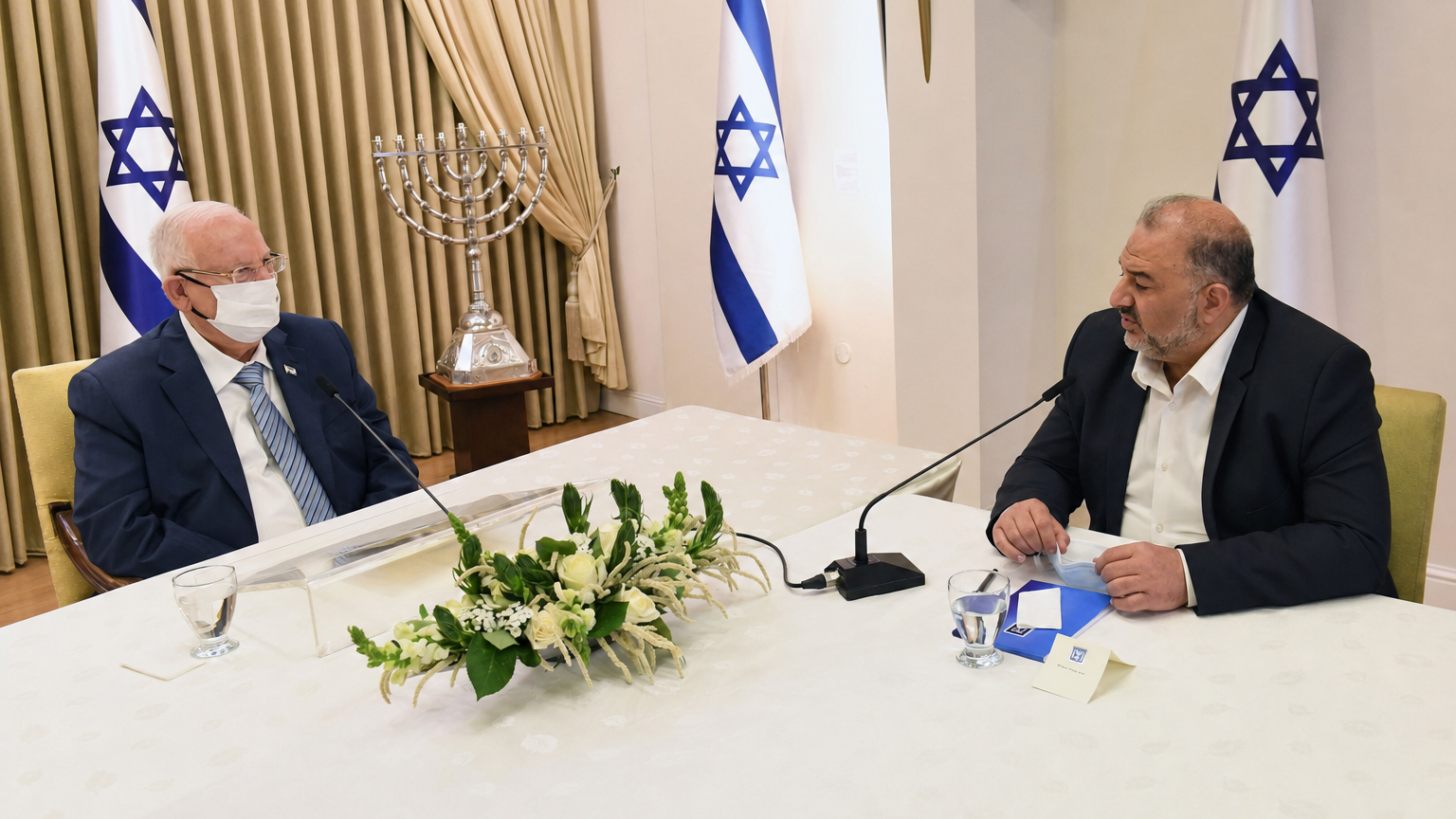
Mansour Abbas who heads the Ra’am party and previously brought it into the 2021 governing coalition has positioned his group as open to backing an anti-Netanyahu administration from outside according to an interview he gave the wire service in Nazareth. “We can ensure the formation of a new government of change” Abbas told Reuters. In contrast leaders of the Joint List comprising Hadash Ta’al and Balad have signaled they would prefer to influence policy while remaining in opposition a stance reported across multiple Israeli outlets including the Jerusalem Post.
The opposition camp has publicly ruled out formal coalitions with Arab parties citing security considerations yet external support on key votes remains a viable path to sustaining a minority government according to assessments in the Times of Israel. Netanyahu’s Likud has aired campaign messages highlighting the prospect of Arab lists acting as kingmakers a tactic detailed in coverage by the Jewish Chronicle. These dynamics build on the precedent of Ra’am’s earlier participation in government which broke long-standing barriers even as overall Arab representation stayed below population proportion.
Crime rates in Arab communities economic disparities and infrastructure gaps feature prominently in the platforms of both Ra’am and the Joint List according to a review of their campaigns by Israel National News. A Tel Aviv University poll from 2025 referenced in the Jewish Chronicle indicated that 77 percent of Arab citizens supported including an Arab party in the governing coalition. That level of sentiment combined with the projected seat gains could pressure larger parties to negotiate accommodations once ballots are counted.
In the previous Knesset Arab parties held a combined 10 seats a baseline that polls now suggest will rise substantially if current trends hold according to the Middle East Forum’s aggregation of recent surveys. The Supreme Court approved both the Joint List and Ra’am to contest the vote after legal challenges a development reported by Reuters on October 2. With voting days away the focus has sharpened on how these lists will leverage their anticipated strength in post-election talks.