ع



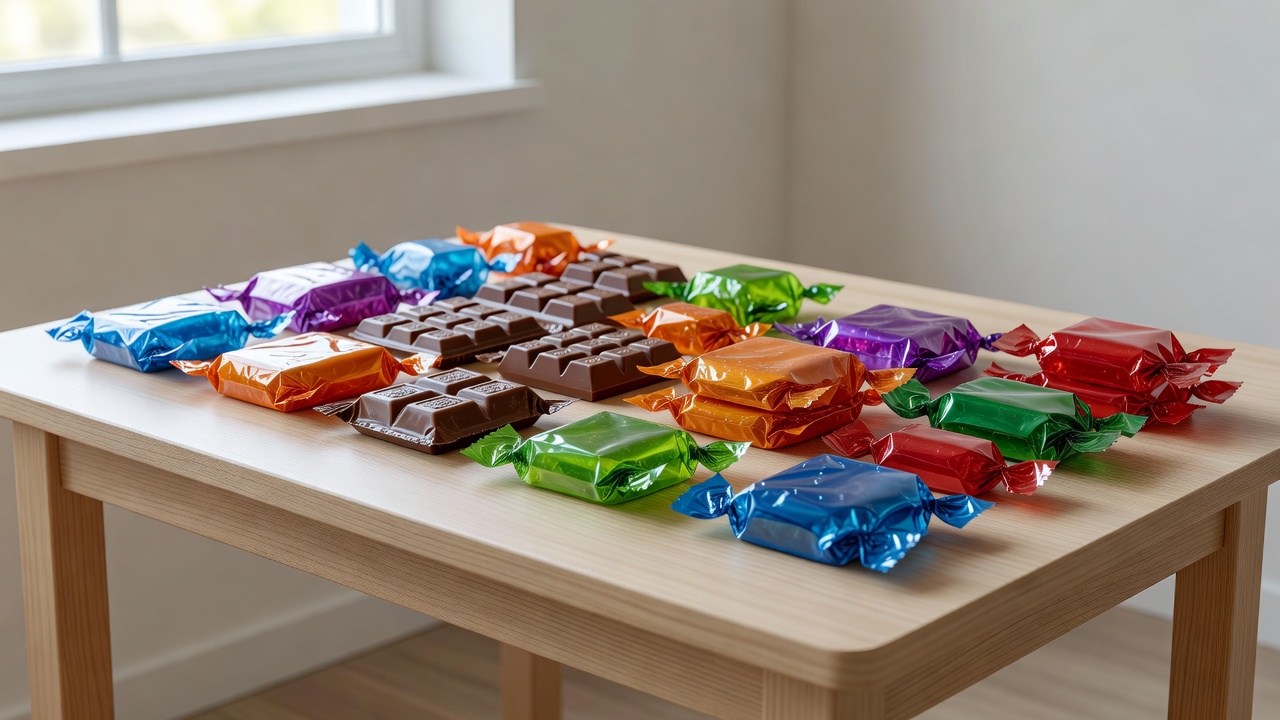
Police departments in numerous German states have recorded multiple instances of needles, screws and nails concealed in Halloween candies collected by children, prompting warnings to parents and active criminal inquiries into what authorities treat as deliberate acts. A nine-year-old girl suffered a tongue injury after biting into a chocolate bar containing a five-centimetre pin in Bremervörde, west of Hamburg, according to local officers. Similar finds have spread across regions from Bavaria in the southeast to Schleswig-Holstein in the north, with investigators examining evidence of tampering that could amount to attempted bodily harm.
Bavarian police alone have documented as many as 25 such cases involving sweets with embedded metal items, a figure that officials described as notably higher than in recent years. In Hanover a nine-year-old found sewing needles in three separately wrapped treats including a chocolate bar and two chewy candies, state authorities reported. Officers in Essen examined a chocolate bar after a father noticed puncture marks in its packaging and discovered a needle inside, while separate incidents in Thuringia and Baden-Württemberg involved metallic objects in waffle slices and other confections, according to the German Press Agency compilation of police statements.
Austrian officials have confirmed at least eight cases spanning four provinces and established a dedicated investigation unit at the federal criminal office that is coordinating with Europol. In Linz a father found nails pushed into chocolate bars and chewy sweets collected by his children, some visible from the exterior and others hidden inside, Upper Austrian police said. A 10-year-old girl sustained a minor mouth injury from a chocolate bar in the Amstetten district of Lower Austria, while additional reports from Styria and Salzburg described needles, metal pins and staples in various sweets, the interior ministry detailed in a press conference.
Interior Minister Gerhard Karner stated that Austrian investigators are in contact with German and Hungarian counterparts as they pursue what he called a cowardly crime, emphasising the need to protect children’s safety. The ministry has advised families to carefully examine all collected items and to avoid consumption until they are verified as safe. Lower Austria’s governor added that those responsible must face the full weight of the law to preserve carefree childhood experiences during seasonal festivities.
Hungarian police have opened a criminal investigation after at least three confirmed cases in and around the town of Gyömrő east of Budapest, where children received tampered treats on 31 October. One young girl was handed a toffee containing a nail that had been placed inside a chocolate wrapper, an object she spotted before eating, according to the local municipality. Additional sweets held pieces of wire, screws and what appeared to be a broken plastic item in a coconut-flavoured candy, municipal officials reported through local media channels.
Authorities in all three countries have issued parallel guidance for parents to check for unusual packaging damage or hidden objects, with some forces recommending the use of magnets to detect metal content. Comparable tampering episodes have surfaced in prior Halloweens, including razor blades found in sweets in Kiel in northern Germany the previous year, various regional police records show. No arrests have been announced so far, and inquiries remain ongoing with appeals for public information that might identify those responsible.