ع
ع


German authorities identified the suspect in the Berlin Pride attack as 21-year-old Abdul Ballout, who was shot and killed by police when he charged at them with a knife during a Sunday operation in the western borough of Spandau. The incident followed a vehicle being driven into a crowd near Tiergarten park on Saturday evening, which prosecutors said killed a woman and left at least 29 others injured, some of them in the subsequent stabbing on a park path. Berlin police reported that the suspect then fled the scene, prompting a large-scale manhunt that ended with the fatal confrontation.
Ballout, a German national of Lebanese descent, had an extensive criminal record that included convictions for assault and robbery dating back to 2020, according to details released by German prosecutors. He drew further attention for signs of radicalisation and links to the Islamist scene, having attempted to join Islamic State by travelling through Turkey to Lebanon in May 2025, where he was arrested the following July. Upon his return to Germany in November 2025 he was detained at the airport and later received a sentence of one year and 10 months in May 2026 for preparing a serious act of violence endangering the state.
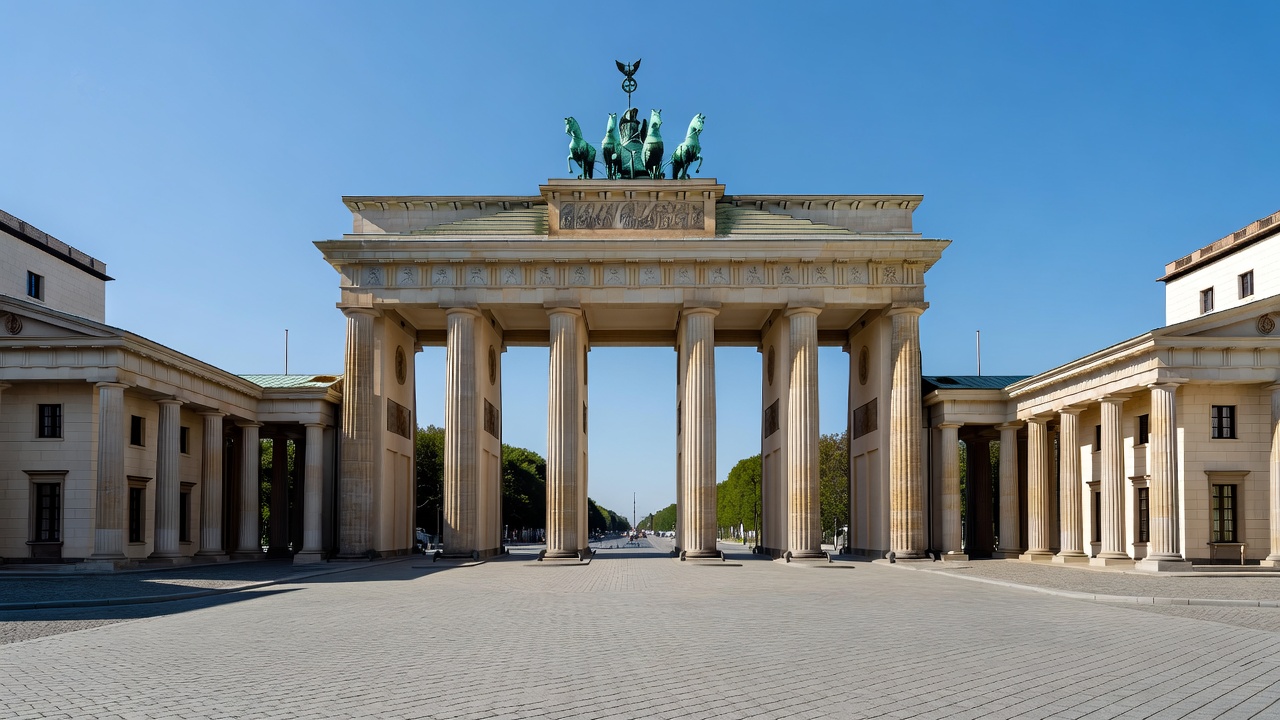
Berlin’s annual Christopher Street Day event, which commemorates LGBTQ rights and typically attracts around one million participants according to the city’s official events portal, was disrupted by the violence despite a heavy security deployment. Al Jazeera reported that more than 2,200 officers had been assigned to protect the parade and associated activities that day. The celebrations, which had expanded to two days for the first time, featured 80 floats and ended with the cancellation of planned clean-up and market events along with an impromptu vigil at the Brandenburg Gate.
Interior Minister Alexander Dobrindt stated that all evidence indicated an Islamist terror attack and announced that the national threat level had been raised with briefings provided to other German states on reviewing security for large public events. Chancellor Friedrich Merz visited the scene in Tiergarten and declared that extremists had no place in German society while pledging to defend the country’s openness and freedom against the poison of terrorism. The minister’s assessment aligned with the suspect’s known history of radicalisation monitored by security services.
The attack occurred as participants were enjoying the Pride festivities in one of Europe’s largest such gatherings, turning a day of celebration into one of mourning. A performer at the event expressed shock at the violence but voiced hopes of returning for future editions, local media accounts showed. Organisers and attendees at the Brandenburg Gate vigil condemned all forms of extremism.
German authorities have faced ongoing challenges with Islamist extremism, with several foiled plots and incidents in recent years that have kept threat levels elevated across the country. The Federal Office for the Protection of the Constitution has repeatedly warned of the risks posed by individuals with profiles combining prior offences and radical beliefs. Sunday’s police operation brought a swift end to the manhunt but left questions about how the suspect evaded the substantial security cordon around the event.