ع
ع


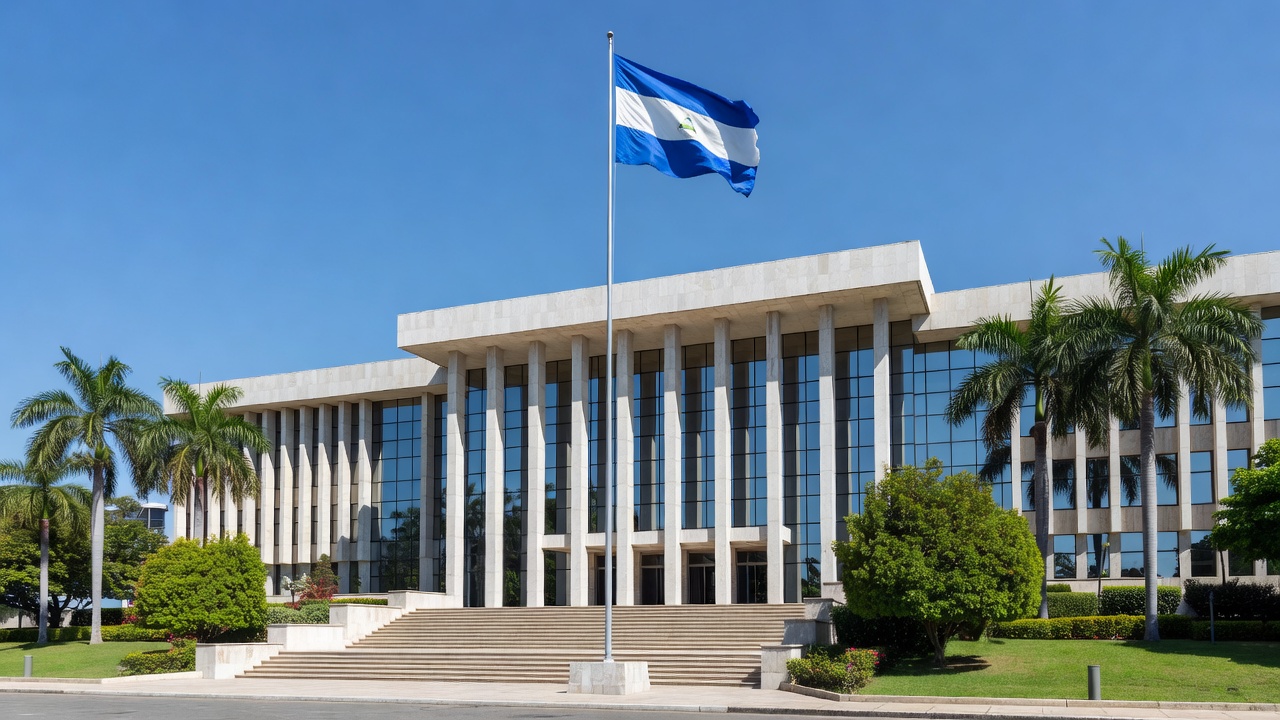
The proposal read in parliament by National Assembly Speaker Gustavo Porras would organise government around an effective term of seven renewable years to ensure stability of vision, effective action and continuity in responding to the nation’s urgent needs. Porras told legislators the system must align with priorities and the timetable of the National Plan for Human Development and Liberation from Poverty. Co-President Rosario Murillo, who shares executive power with her husband President Daniel Ortega, stated that approval is expected in September, according to Vatican News and Al Jazeera reports.
This initiative arrives days after Ortega declared during a July 19 speech marking the Sandinista revolution anniversary that Nicaragua will hold no more elections to prevent the opposition from seizing power. Ortega, who has ruled the country since returning to office in 2007, framed the measure as creating a wall against foreign interference in domestic politics. The remarks prompted immediate international responses, with the US State Department issuing a statement that the couple had abandoned any pretense of popular consent.
A BTI Project assessment for 2026 noted that constitutional changes approved in November 2024 had already lengthened the presidential term from five to six years, eliminated term limits and replaced the vice presidency with a co-presidency shared by Ortega and Murillo. Those earlier reforms also expanded executive influence over media, the judiciary and electoral bodies, the report found. Freedom House’s 2025 country review described the 2021 elections as lacking meaningful participation after authorities jailed or disqualified opposition candidates and silenced independent media.
The United States, European Union, United Nations and several Latin American countries voiced serious concern over the latest proposal, terming it a serious democratic setback, Vatican News reported. Secretary of State Marco Rubio, in a July 21 statement, called for action to address the dictatorship’s vow to abolish elections and affirmed that Nicaraguans retain the right to choose their leaders. Reuters correspondents noted the draft also seeks to prohibit individuals labeled as traitors or coup plotters from appearing on ballots.
Opposition figures and exiled dissidents have faced systematic measures including imprisonment, revocation of citizenship and seizure of property in recent years, according to multiple regional monitors. The 2018 protests that left more than 300 people dead accelerated a crackdown that has left few voices of dissent operating inside the country. Americas Quarterly analysts observed that the focus has shifted from maintaining Ortega in power toward ensuring continuity of the political system built with Murillo.
The National Assembly, which is controlled by Ortega’s Sandinista National Liberation Front, has unanimously backed previous reforms that centralised authority. A 2014 amendment first removed presidential term limits, paving the way for indefinite re-election, according to Cornell International Law Journal archives. Legal experts cited by Divergentes news service described the renewable seven-year term language as effectively eliminating competitive elections given the absence of viable opposition.