ع
ع


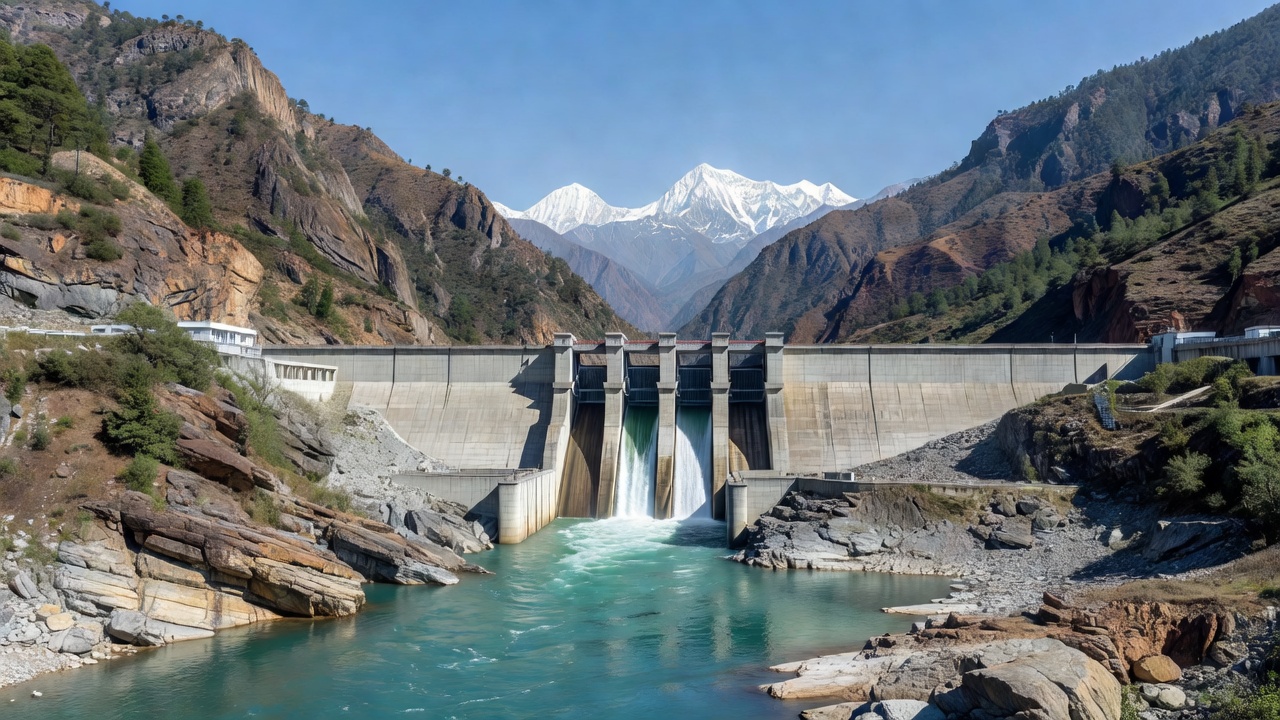
Nepal Army engineers and an international team spearheaded by Chinese and Nepalese military personnel continued blasting operations on August 31 to clear boulders and debris blocking access to tunnels at hydropower sites in Rasuwa and Nuwakot districts according to a Reuters dispatch from Kathmandu. The army spokesperson Raja Ram Basnet told Reuters that a large amount of debris had been deposited posing a big challenge to open the tunnels while specialised experts from India Korea and Australia joined the effort. Rescuers had pumped air into the Trishuli-3A site over the weekend and entered one tunnel on Monday but found no one inside a Nepal Army update confirmed. At the Upper Trishuli-1 project army personnel widened tunnel entrances using heavy machinery after survivors reported colleagues remained inside according to the Prime Minister’s Office.
Families of the missing workers expressed dwindling hope as the operation stretched into its sixth day with one relative telling Kantipur newspaper the longer it takes the more our hope dies and this operation must move much faster because every second is meaningful to us. Anushila Bhandari wife of 33-year-old engineer Aurus Bhandari told BBC Nepali I wish we could find him I wish he would come home while Sita Pandey whose husband worked at one of the plants said she still had a 50 percent hope that he is alive because there is an oxygen system inside. Australian tunnel expert Arnold Dix assisting remotely described the landscape to BBC Radio 4 as one where the actual signature of the tunnels has gone everything is just missing and it looks like a lunar landscape requiring blasts through boulders bigger than houses.
Nepal’s National Disaster Risk Reduction and Management Authority placed the death toll from the floods at 939 in Nepal with an additional 16 reported in Tibet while revising the number of missing to 3925 including 592 foreign nationals. The authority’s figures show roughly one in seven of those missing are hydropower workers with 279 people rescued from the sites so far according to Prime Minister Balendra Shah’s statement on social media. Shah noted that the floods were not ordinary and that risks were increasing with climate change a point echoed by Chinese authorities who attributed the disaster to glacier instability linked to global warming in a Reuters report.
At least 11 hydropower projects were damaged or destroyed in the August 26 deluge including the 216-megawatt Upper Trishuli-1 plant that remains under construction and was scheduled for completion in December 2026 according to a New York Times assessment of the sector. The Nepal Electricity Authority reported that 431 megawatts of generating capacity went offline representing more than 12 percent of the country’s total installed base while losses encompassing projects under construction could roughly double that figure the newspaper added. Independent Power Producers’ Association Nepal data cited in multiple outlets listed specific missing workers by site such as more than 500 at Upper Trishuli-1 and 213 at Upper Trishuli-3B with overall hydropower worker losses reaching 933.
Nepal has expanded its installed hydropower capacity to more than 4000 megawatts in recent years from around 3000 megawatts in 2024 and the government aims to reach 28500 megawatts by 2035 to support both domestic needs and exports according to The New York Times review of national development plans. The country relies heavily on run-of-river projects along mountainous rivers yet these have proven vulnerable to floods and landslides with similar events in 2024 damaging facilities and reducing output by 1100 megawatts according to a Renewable Energy World compilation of Nepal Electricity Authority and IPPAN reports. Economic losses from the current floods could run into hundreds of billions of rupees far exceeding the NPR 3 billion to NPR 8 billion seen in prior incidents the Ministry of Energy told local outlets.
Survivors from the Upper Trishuli-1 site described narrow escapes with civil engineer Sandip Rana telling The Rising Nepal that an emergency siren sounded before a massive flood hit the dam site 12 kilometres upstream forcing a seven-to-eight-hour climb up a hillside. The Red Cross estimated more than 90000 people were affected overall by the disaster which also left only 4 percent of recovered bodies identified so far according to the Ministry of Health briefing covered by BBC Nepali. Rescue operations remain the highest priority with nearly 21000 security personnel deployed across the region a Reuters tally of government deployments showed.