ع
ع


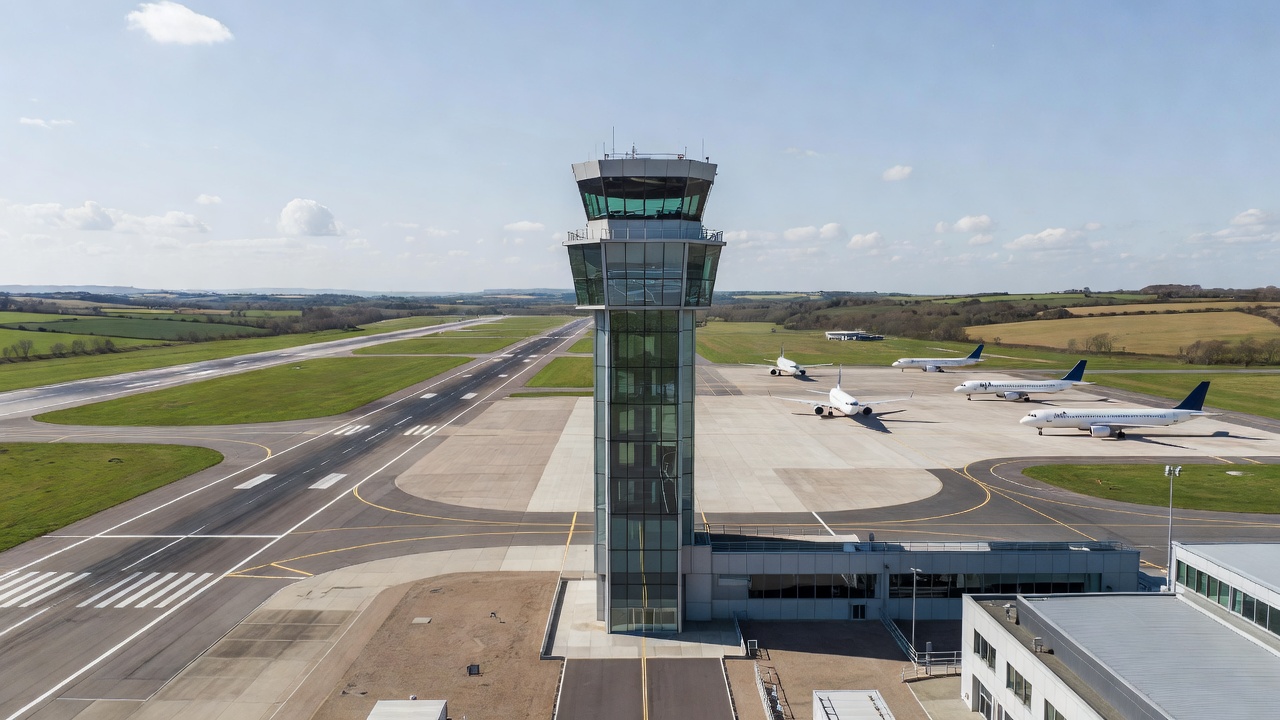
A connectivity issue at the Prestwick air traffic control centre triggered delays and cancellations across northern airports on Monday, according to NATS, which said the underlying problem was resolved although knock-on effects lingered into the day. The national air traffic service stressed that the incident had nothing to do with the software defect that crippled its Swanwick facility on 8 September, when corrupted flight data forced a sharp reduction in capacity. Airlines UK reported that passengers and carriers deserve better after yet another NATS failure, while the body confirmed it was writing to demand compensation and a credible resilience plan from the provider.
EasyJet stated that the latest event once again calls into question the resilience of the UK’s air traffic control system, a view echoed by Wizz Air which described a national confidence crisis in NATS. Ryanair said 140 of its flights were affected, disrupting 25,000 passengers, and the carrier reiterated its demand for chief executive Martin Rolfe to resign, citing repeated system failures since the 2023 outage. British Airways described the technical fault as disappointing, while Jet2’s boss Steve Heapy called for urgent and accountable action to strengthen the infrastructure, according to statements compiled by PA Media.
NATS’s preliminary investigation report into the 8 September incident, released on 18 September, identified a legacy software defect that corrupted data in a millisecond when combined with very specific simultaneous events, the provider said. The report placed the expected traffic at around 8,000 flights that day but EUROCONTROL records show only 6,094 were handled, confirming more than 2,000 flights were delayed, cancelled or diverted. A separate NATS assessment found the issue was unrelated to the 2023 flight planning failure or a 2025 radar outage, both of which also drew airline criticism.
The 2023 bank holiday disruption, which a Civil Aviation Authority review attributed to an extremely rare combination of flight plan data that the system could not process, affected more than 700,000 passengers and led to roughly 2,000 cancellations over two days at an estimated cost of between £75 million and £100 million. That event prompted 34 recommendations to NATS, the CAA, airlines and government, all of which the regulator formally closed in June 2026, according to CAA documentation. Despite those changes, the September incidents have renewed questions over system resilience, with Airlines UK noting that carriers continue to absorb the financial consequences while facing limited accountability mechanisms.
NATS normally manages nearly 24 per cent of European traffic with minimal attributable delay, its own monthly figures show, and in September 2024 it handled 230,974 flights with 98 per cent receiving no NATS-related delay at an average of 15 minutes where issues occurred. The latest pair of failures contrasts with that record and has prompted Transport Secretary Heidi Alexander to label the 8 September chaos completely unacceptable while ordering an independent CAA review due within six months. Industry representatives have urged faster investment in backup systems and better coordination to prevent single points of failure from cascading into widespread network disruption.
Passenger support during the recovery varied, with some airlines rebooking thousands onto alternative flights within 24 hours while others reported extended delays and overnight airport stays, according to airline statements. Ryanair’s chief operations officer Neal McMahon said lessons from 2023 had clearly not been learned, citing the carrier’s own tallies of extended delays beyond eight hours on some routes. The cumulative impact of these events has heightened calls for structural reforms in how NATS is held to account when technical issues arise.