ع



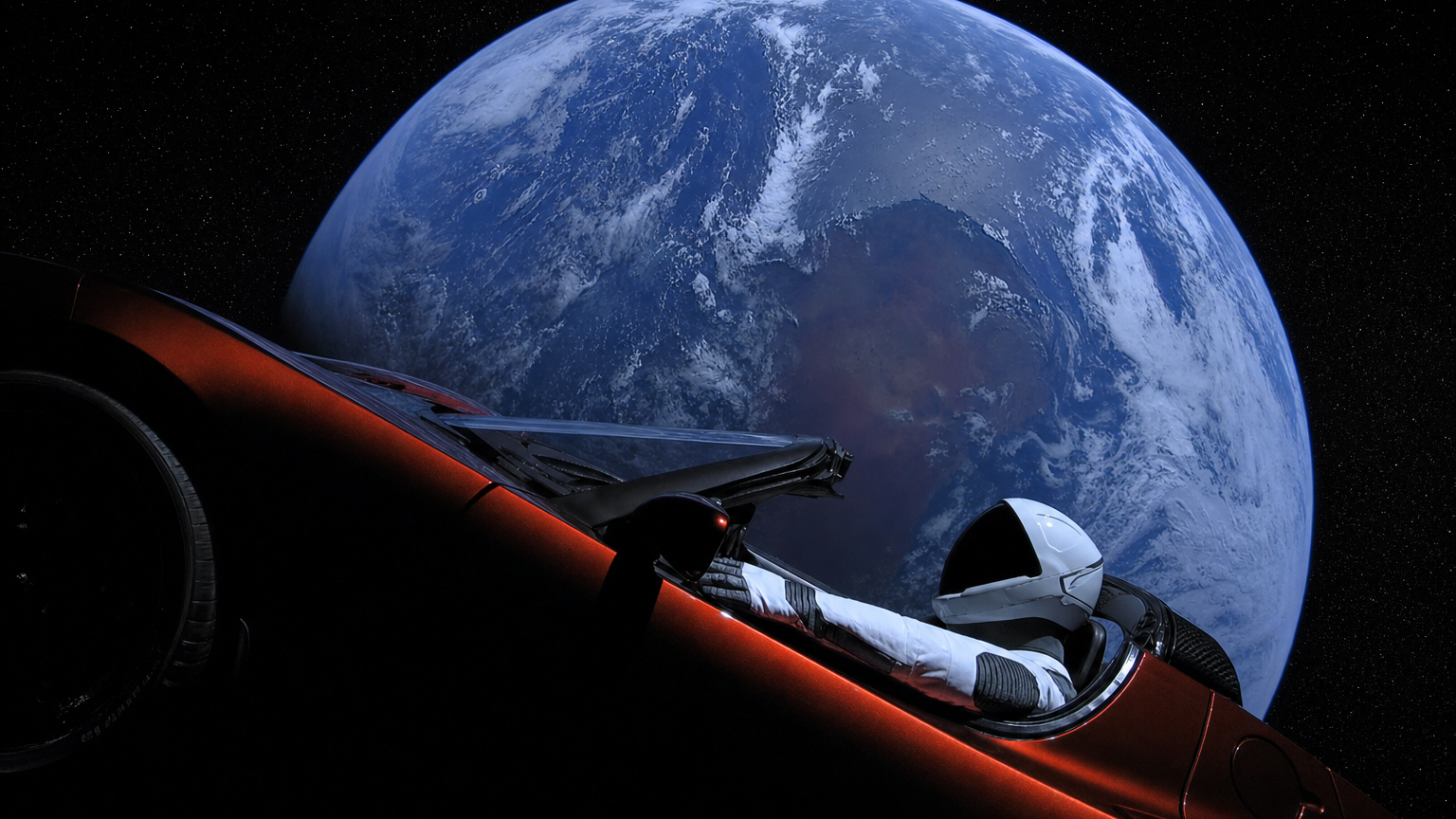
Elon Musk indicated that a merger between Tesla and SpaceX would be a good idea, a comment that has amplified ongoing discussions about uniting the automotive and aerospace companies under one structure. The statement comes as the two entities expand their work in artificial intelligence, robotics and advanced computing, areas where collaboration has already taken place on multiple projects. According to reports, Musk has highlighted growing technological overlaps that could justify such a combination, though no formal proposal has been announced by either board.
Wedbush analyst Dan Ives has placed the odds of a Tesla-SpaceX merger at 80 to 90 percent with a potential closing in the first half of 2027, citing the strategic logic of integrating their capabilities. Ives argued in a recent note that the deal appears almost inevitable given the direction of both companies in autonomous systems and space technology. Barclays analysts similarly expect an announcement in the coming months, building on the momentum from SpaceX’s record IPO that valued the rocket company at nearly 2 trillion dollars.
A combined Tesla-SpaceX entity would rank among the world’s most valuable corporations, potentially exceeding 3 trillion dollars in market capitalization based on current separate valuations, according to financial assessments reviewed by multiple outlets. SpaceX completed its initial public offering earlier this year, raising 75 billion dollars at a peak valuation of 1.78 trillion dollars, which has intensified calls from some Tesla shareholders for exposure to the space business. The prospect has already influenced investor behavior, with at least one major Tesla holder bypassing the SpaceX IPO in anticipation of a future merger.
Gary Black, a prominent Tesla investor, expressed skepticism about the industrial and mathematical logic of merging the companies from the perspective of Tesla shareholders. Black noted that SpaceX operates in a distinct regulatory and capital-intensive environment that might not align seamlessly with Tesla’s automotive focus and public market pressures. Despite such reservations, other market observers point to existing joint initiatives, including shared work on battery technology and AI infrastructure, as evidence that integration could unlock efficiencies.
Speculation about consolidating Musk’s businesses has circulated for years but gained traction after SpaceX went public, with some forecasts suggesting the merged group could also incorporate elements of xAI to form an even larger holdings structure. Musk has previously drawn attention to overlaps in chip development and robotics that span his portfolio, comments that analysts interpret as laying groundwork for deeper ties. No timeline has been confirmed, and any transaction would require approvals from regulators, boards and potentially minority shareholders in both companies.
Tesla shares slipped in premarket trading following renewed merger commentary, reflecting mixed reactions among investors concerned about dilution or shifts in strategic priority. Industry data shows Tesla’s market value hovering near 1 trillion dollars while SpaceX’s post-IPO performance has underscored its rapid growth trajectory. Further details on potential terms or governance for a combined entity have not been disclosed by Musk or representatives from either organization.