ع
ع


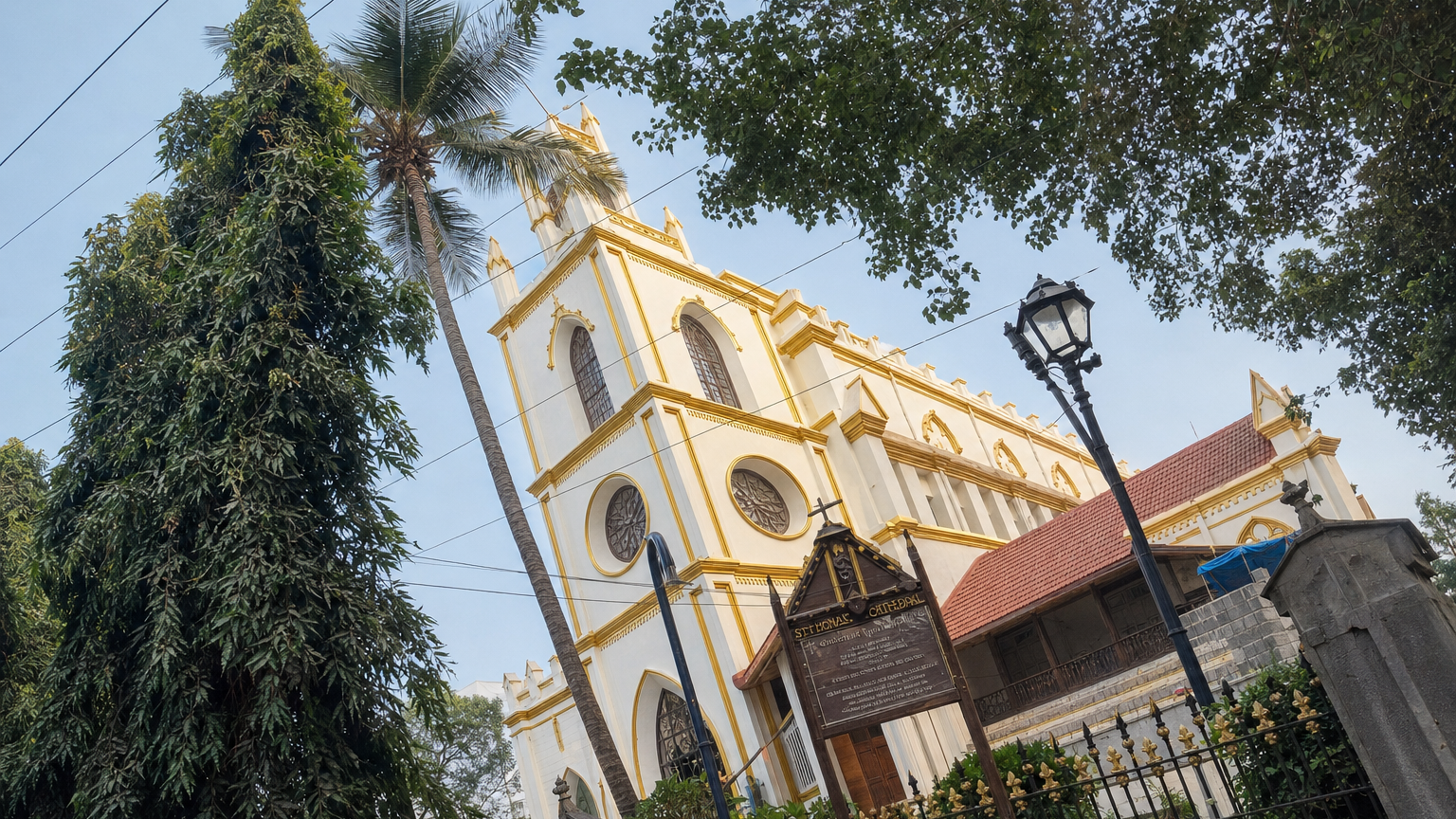
Churches in Mumbai, Vasai, Virar, Mira-Bhayandar, Thane and Palghar have distributed self-declaration forms to congregations as the Maharashtra Freedom of Religion Act, 2026, came into force. Pastors initiated the practice in the weeks before enforcement to create a record that attendees join prayer meetings without coercion or inducement. The Hindu reported that more than 4,000 churches operate across the Mumbai Metropolitan Region, with some now collecting declarations even from longtime worshippers.
The forms require signatories to state that their attendance stems from personal choice and involves no pressure, temptation, lure or threat of any kind, according to coverage in The Indian Express. Worshippers often attach a passport-size photograph along with identification such as an Aadhaar or PAN number, while some versions include space for a witness. Completed documents remain on file at individual churches for possible presentation to police or government officials if allegations arise.
Pastor Sam Mathai from Vasai in Palghar district told PTI that the declarations, prepared jointly by pastors, community leaders and lawyers, serve as a precautionary measure after accusations that churches offer money or benefits to attract followers. Mathai, who also serves as secretary of the Palghar Zilla Messiah Sangh, said the initiative had been under way for two to three months before the law’s notification. He noted 11 attacks on churches in the Mumbai region during the preceding six months.
The legislation requires anyone planning a religious conversion to notify the district magistrate at least 60 days in advance and submit a follow-up declaration within 21 days detailing personal information, previous and new faith, and circumstances of the change, a copy of the act published by PRS India shows. Violations involving force, fraud, allurement or marriage for conversion purposes carry prison terms of up to seven years and fines as high as 5 lakh rupees, with repeat offences or those affecting minors, women or scheduled caste and tribe members drawing up to 10 years and 7 lakh rupees. The law renders non-compliant conversions and associated marriages null and void.
Maharashtra became the 13th Indian state to adopt such legislation, according to an Outlook India analysis, joining others including Uttar Pradesh and Karnataka. The Supreme Court issued notices in February 2026 to the central government and 12 states with comparable statutes after the National Council of Churches in India petitioned that the measures enable vigilante interference and violate constitutional religious freedoms, The Hindu reported. Civil society groups, including the Joint Civil Society, stated that broad definitions of allurement and provisions for third-party complaints could subject charitable work and interfaith relations to undue scrutiny.
Chief Minister Devendra Fadnavis told the state assembly during the bill’s passage in March 2026 that the measure protects the right to freedom of religion under Article 25 of the Constitution by curbing unlawful conversions rather than restricting personal faith choices. He referenced Supreme Court precedents to support the government’s position, as covered by The Hindu. Pastor Devdan Tribhuvan, president of the Maharashtra Christian Development Association, told UCA News that 15 to 20 attacks on prayer groups had occurred in the past year, prompting the need for documentation to counter false claims.
Pastor Steven Rozario at New Hope Church in Virar instructed his congregation of about 30 people to complete the forms during a Sunday service, according to a Times of India account. The declarations reference constitutional guarantees under Articles 25 to 28 and stipulate that they should be treated as evidence against any false allegations. Fr. Nigel Barrett, spokesperson for the Archdiocese of Bombay, described the forms as a cautious response to intrusions by groups such as the Bajrang Dal during services.