ع
ع


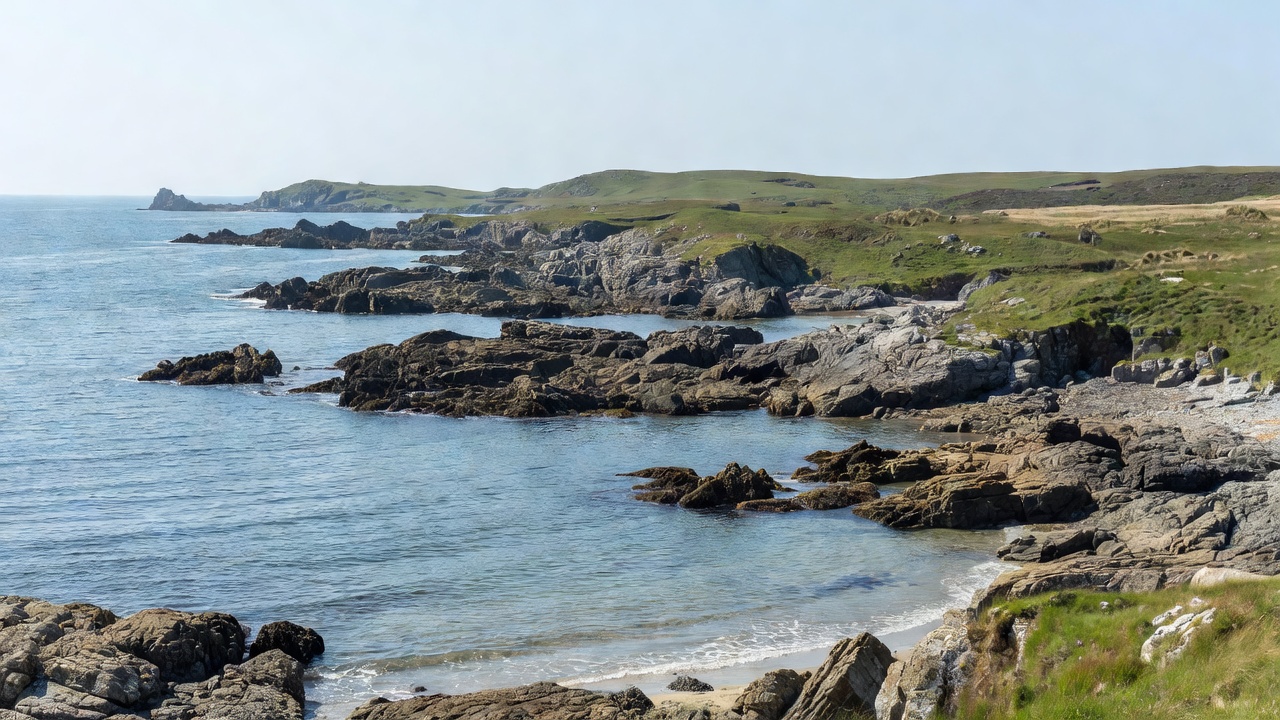
Argentine President Javier Milei declared in a national address on September 3 that his administration would impose sanctions on firms engaged in oil activities around the Falkland Islands, which Argentina calls the Malvinas, and would submit legislation to Congress to strengthen penalties and extend them to suppliers. He characterised the Sea Lion oilfield development as an urgent threat to Argentine sovereignty that required immediate action to prevent extraction of resources from waters claimed by Buenos Aires. A Reuters dispatch from Buenos Aires reported that Milei told viewers companies would have to choose between operating in Argentine territory or near the islands.
Israel’s Navitas Petroleum and Britain’s Rockhopper Exploration plan to begin production at the Sea Lion field in 2028, targeting peak output of about 50,000 barrels per day from an initial phase that holds 170 million barrels. An independent evaluation cited by project partners placed total gross resources for the full field at 917 million barrels, while the companies have committed 1.8 billion dollars to reach first oil. S&P Global Ratings noted that the project, in preparation for more than 15 years, could eventually make hydrocarbons a major contributor to the Falkland Islands economy.[[2]](https://www.spglobal.com/ratings/en/regulatory/article/-/view/type/HTML/id/3533382)
Argentina has previously sanctioned both Rockhopper and Navitas for their involvement in the area, and a foreign ministry statement in December 2025 rejected a multi-billion dollar investment announcement for the same field. The latest measures build on existing laws that already restrict unauthorised hydrocarbon work, yet Milei said further legal tools were needed to cover indirect participants and other resource activities. He added that all state capabilities, diplomatic, economic, judicial and legal, would be deployed to deter violations of sovereignty.
British officials responded that the Falkland Islanders’ right to self-determination includes their ability to develop natural resources, citing a 2013 referendum in which 99.8 percent voted to remain a British overseas territory. Defence Secretary Wes Streeting stated on X that “Milei’s statement overnight tells us more about domestic politics in Argentina than it does about the Falkland Islands” and that Britain’s commitment remains “absolute and unshakeable.” Downing Street separately reaffirmed that the islands would stay British “for as long as the Islanders wish,” according to a Reuters summary of the UK position.[[5]](https://www.bbc.co.uk/news/articles/clyk18g1l8ko)
Milei linked his tougher stance to recent remarks by US President Donald Trump about reconsidering America’s neutral posture on the dispute, comments the Argentine leader said reflected shifting international dynamics. Trump had suggested Britain might not receive US support in any future conflict over the islands, citing London’s lack of backing in a separate matter involving Iran. The Argentine address also included plans to construct a naval base in Tierra del Fuego province to bolster presence near the archipelago.
Rockhopper Exploration shares fell sharply after the speech, dropping 10 percent at the London market open as investors weighed the potential effect on the company’s 35 percent stake in the licences. The Guardian reported that the immediate market reaction underscored investor sensitivity to renewed diplomatic friction in the South Atlantic. While the Falkland Islands government has issued production licences for the North Falkland Basin, Argentine authorities maintain that such authorisations lack validity in waters they claim as their own.