ع
ع


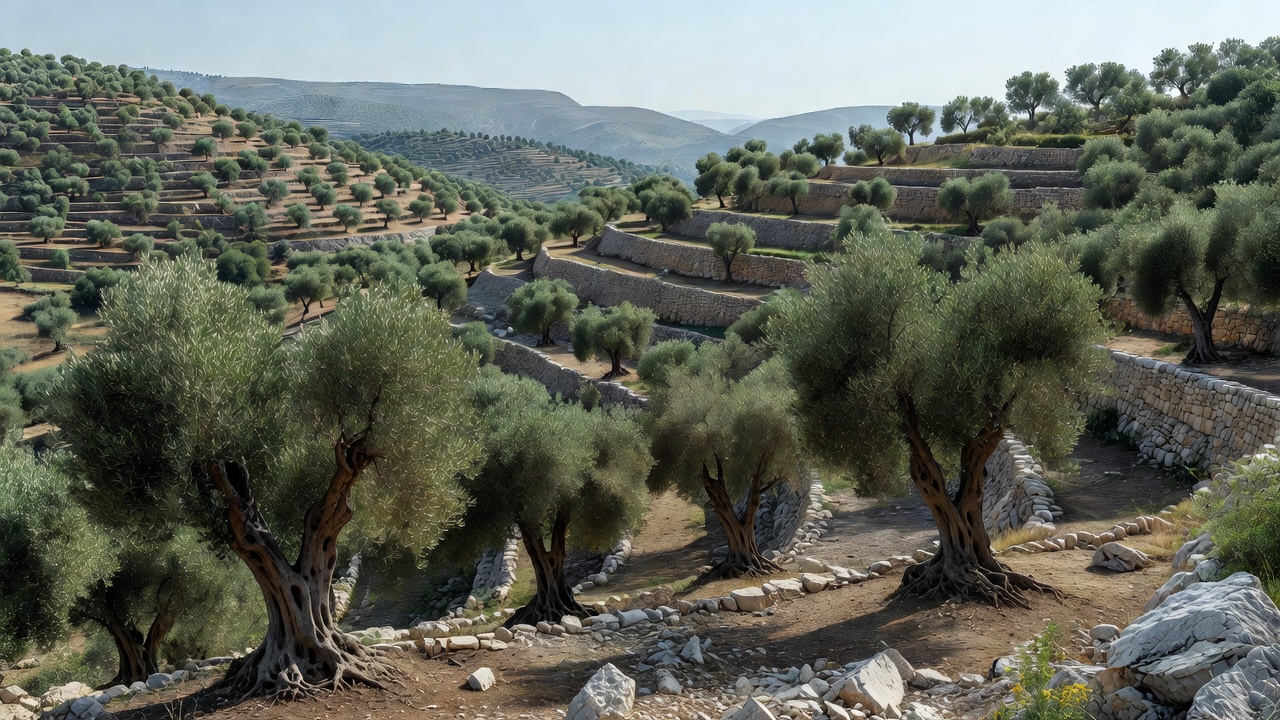
Clad in black with faces masked, some 80 Israeli settlers descended on terraced olive groves in Abu Falah where villagers had gathered for the annual harvest, burning trees and throwing rocks in a coordinated assault that injured at least two people, according to Reuters witnesses on the scene. Palestinian medics reported that the injured were taken to hospitals in the Ramallah area, with one of them identified as Heidi Levine, a photojournalist working for the Washington Post. Video from the attack showed Levine on the ground as settlers surrounded her, while some of the assailants carried gas canisters during the incident that took place on October 16. The Israeli military did not immediately respond to requests for comment on the event, Reuters reported.
Yesh Din, an Israeli settlements monitoring group, has documented at least 170 settler attacks against Palestinians in the West Bank since September 27, around the start of the annual olive harvest. A separate tally by the Palestinian Colonization and Wall Resistance Commission recorded 19 settler attacks on October 9 alone across the occupied territory, including the burning and uprooting of olive trees, theft of crops and assaults on harvesters in areas such as Qusra, Tal, Jorish and Beita. More than 50 olive trees were uprooted in one such incident in Qusra, the commission stated, while vehicles were set on fire and farmers were assaulted in other locations.
The Palestinian Ministry of Agriculture reported that attacks on the agricultural sector between October 1 and 8 caused roughly $3 million in losses, encompassing the destruction of trees, theft of crops and damage to facilities. The ministry’s data further indicated that more than 45,000 trees, including over 26,000 olive trees, had been damaged or cut down in the first half of 2026. According to the ministry, these incidents have intensified since the olive harvest began, disrupting a season that forms a critical part of rural livelihoods.
UN Office for the Coordination of Humanitarian Affairs figures from previous seasons show a pattern of escalation, with 178 harvest-related settler attacks documented between October and November 2025 that caused casualties or property damage. That total marked an average of three incidents per day and affected 88 communities, more than double the number recorded in 2022, Yesh Din data indicated in its review of the period. Over 6,000 olive trees and saplings were vandalized during the 2025 harvest, the highest level in six years, according to the monitoring group.
Olive production supports up to 100,000 Palestinian families and serves as an economic backbone for many rural communities in the West Bank, a UN human rights office assessment found in its reporting on the sector. The current wave of violence has compounded challenges from access restrictions and prior damage, with farmers in areas near Ramallah, Nablus and Hebron frequently affected. Local sources told WAFA that additional assaults took place on October 16 in villages including Turmusayya and Burqa, where vehicles were burned and harvesters were beaten.
In one earlier incident covered by Al Jazeera on October 3, settlers attacked olive pickers in multiple locations including Abu Dis and Awarta, burning around 55 trees near Abu Dis while soldiers fired tear gas at harvesters and journalists in Osarin. Palestinian authorities have recorded 30 Palestinians killed by settlers since the beginning of 2026, a figure that exceeds totals for some full years in the recent past, according to reports compiled by the news outlet. The combined effect of these events has left many farmers fearful of continuing their work without protection.