ع
ع


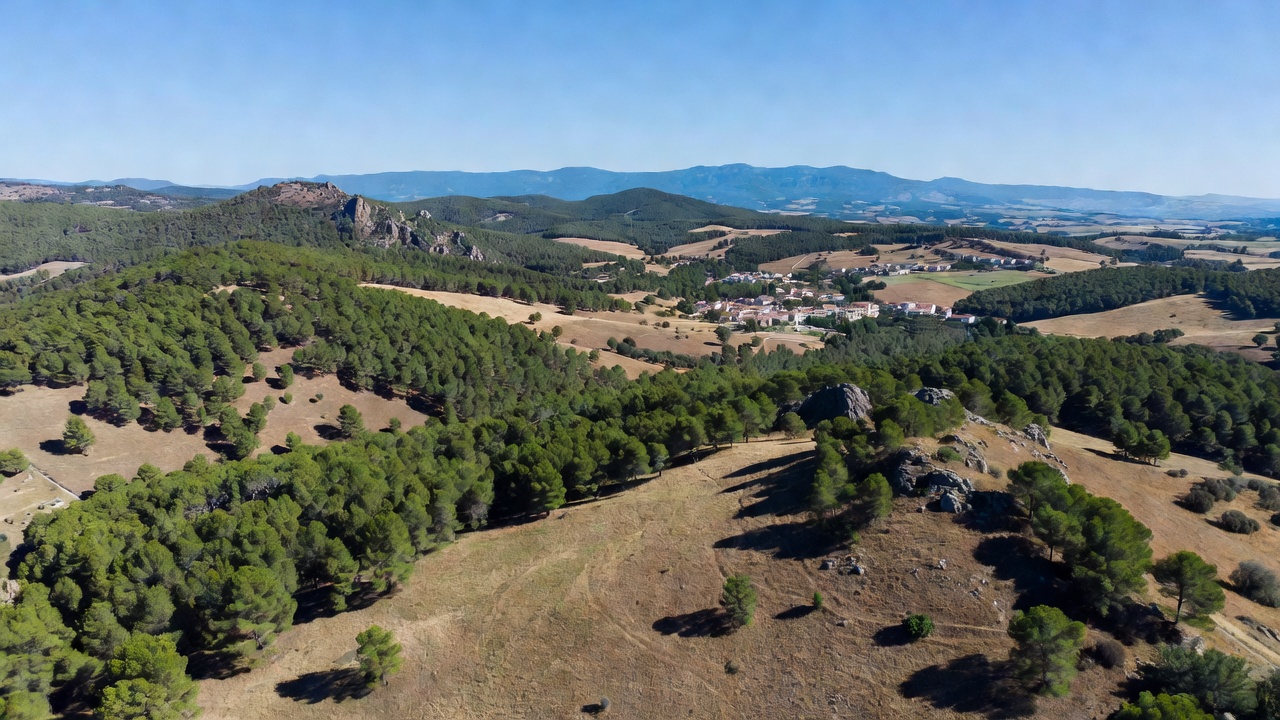
Spanish authorities declared a national emergency on July 24 2026 after a rapidly expanding wildfire west of Madrid burned at least 6,000 hectares and overwhelmed local response capabilities. The regional government instructed more than 60,000 residents in towns including El Escorial, Chapinería and Navas del Rey either to evacuate or remain indoors while a separate fire in Ávila province consumed nearly 9,000 hectares. Madrid regional president Isabel Díaz Ayuso called the events completely unusual and catastrophic while emergency coordinator Carlos Novillo said the wildfire had reached its peak and was beyond the capacity of firefighters to contain directly so defensive measures were being taken around populated zones.
Prime Minister Pedro Sánchez planned an immediate visit to the fire zones as the Civil Guard arrested one person and continued investigating a second in relation to possible negligence involving heavy machinery used in violation of fire restrictions. Spain’s Military Emergency Unit was deployed to bolster civilian crews working to protect villages and infrastructure from flames driven by high winds and temperatures. No deaths have been reported from the Spanish fires despite their speed and scale according to government updates.
French officials reported that more than 100,000 people had been evacuated from the southwest where fires in the Gironde and Landes departments had scorched over 19,000 hectares and destroyed about 80 homes. At least 50 firefighters sustained injuries during operations that the interior ministry described as more severe than the major blazes that struck the same region in 2022. President Emmanuel Macron mobilized additional military assets and obtained European Union civil protection support including helicopters dispatched from the Czech Republic and Slovakia.
Interior Minister Laurent Nuñez stated that authorities had never seen a convective fire of this magnitude. Evacuations included the entire Cap Ferret peninsula and surrounding tourist areas near Bordeaux where some residents escaped by boat as embers allowed the flames to jump across large distances. The operations also forced the temporary closure of campsites and beaches in a region popular with summer visitors according to prefecture statements.
The fires form part of a challenging 2026 European wildfire season during which the European Commission’s Joint Research Centre has recorded 254,388 hectares burned across the EU to date. That total exceeds the long-term average and approaches the cumulative area affected during the same period in 2025 which analyses from the Copernicus Emergency Management Service identified as among the most severe on record with more than 1.4 million hectares burned overall. EFFIS statistics further show that the number of fires detected this year stands more than double the average for the reference period.
Emergency teams in both countries continued to monitor evolving conditions as forecasts indicated persistent high temperatures and fire risk in the coming days. Spanish civil protection services maintained focus on the cluster of affected communities west of the capital. French responders similarly concentrated resources on safeguarding residential and coastal zones that have experienced repeated wildfire threats in recent years.