ع
ع


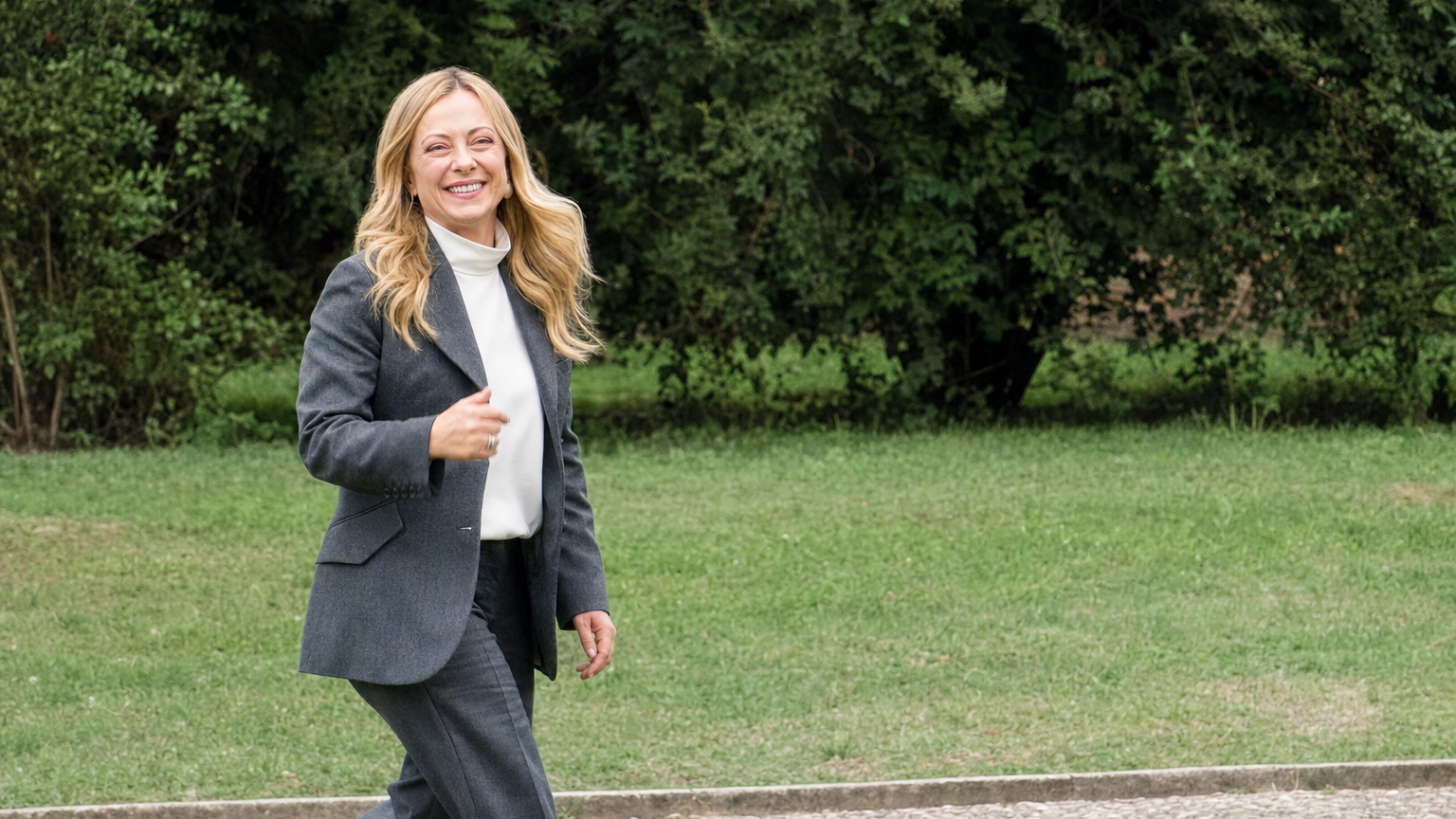
The Italian cabinet gave final approval Thursday to an education decree that prohibits students and parents from entering school premises with full-face coverings such as the burqa or niqab, according to a report by Il Sole 24 Ore that reviewed the draft text before the meeting at Palazzo Chigi. Violations carry administrative fines ranging from 200 euros to 1,000 euros, imposed by the local prefect on the recommendation of school heads, with parental liability in cases involving minors. The measure applies to both curricular and extracurricular activities as well as school-family events, the newspaper detailed, while allowing exceptions only for documented health or security reasons.
A 30 percent ceiling on foreign enrollment will apply to first-year primary classes beginning in the 2027-28 academic year under the same decree, Reuters reported after the cabinet session. The cap targets non-Italian citizens who were not born in Italy or who have attended fewer than two years of local nursery school, the wire service noted, without requiring redistribution of existing classes already formed. Cabinet approval means the text now requires parliamentary ratification within 60 days to take full effect, Reuters added.
Prime Minister Giorgia Meloni first outlined the plans on Sept. 20 at a youth gathering of her Brothers of Italy party, where she stated that children must attend school with their faces uncovered. “In Italy no one, in the name of a real or supposed tradition, can decide that a young woman must hide herself,” Meloni said, according to coverage by Al Jazeera that quoted her remarks. After the decree passed, Meloni posted on X that the steps represented “common-sense measures that do not divide people, but help foster genuine integration,” Reuters reported.
Foreign students currently account for 11.6 percent of Italy’s total school population, or roughly 930,000 pupils, according to figures from the ISMU Foundation think tank cited across multiple outlets including Reuters and The Times. That share has risen from 3.5 percent two decades ago, the foundation’s data show, with more than half of non-Italian pupils born in Italy. The decree also requires parents of foreign children facing serious integration difficulties to attend Italian language courses, Il Sole 24 Ore reported.
Estimates suggest fewer than 500 girls across the country wear full-face veils in Italian schools, equating to roughly one such student per 660 classes, La Tecnica della Scuola calculated using education ministry enrollment data. Of approximately 350,000 Muslim pupils, only a fraction are female and of an age where the niqab or burqa might be worn, the outlet’s analysis found. The low prevalence follows from the fact that the tradition often begins after puberty, the publication noted.
The new rules align Italy with a minority of European Union member states that maintain national prohibitions on face coverings in educational settings, a review by Pagella Politica determined. France, Belgium, Bulgaria, the Netherlands and Luxembourg have enacted similar nationwide restrictions, while most other EU countries rely on local or institutional policies, the fact-checking organisation reported after examining legislation across the bloc. Austria, Denmark and additional states maintain broader public-space bans that extend to schools, according to the same assessment.
The decree arrives as Meloni’s government, Italy’s longest-serving since World War II, faces pressure from the more hard-line National Future party ahead of 2027 elections, Reuters analysis showed. That rival group has centred its platform on “remigration” policies and claims that unchecked foreign presence in classrooms threatens national identity, the wire service reported. President Sergio Mattarella has signalled caution about measures that could limit access to education, Reuters noted from his recent comments.