ع
ع


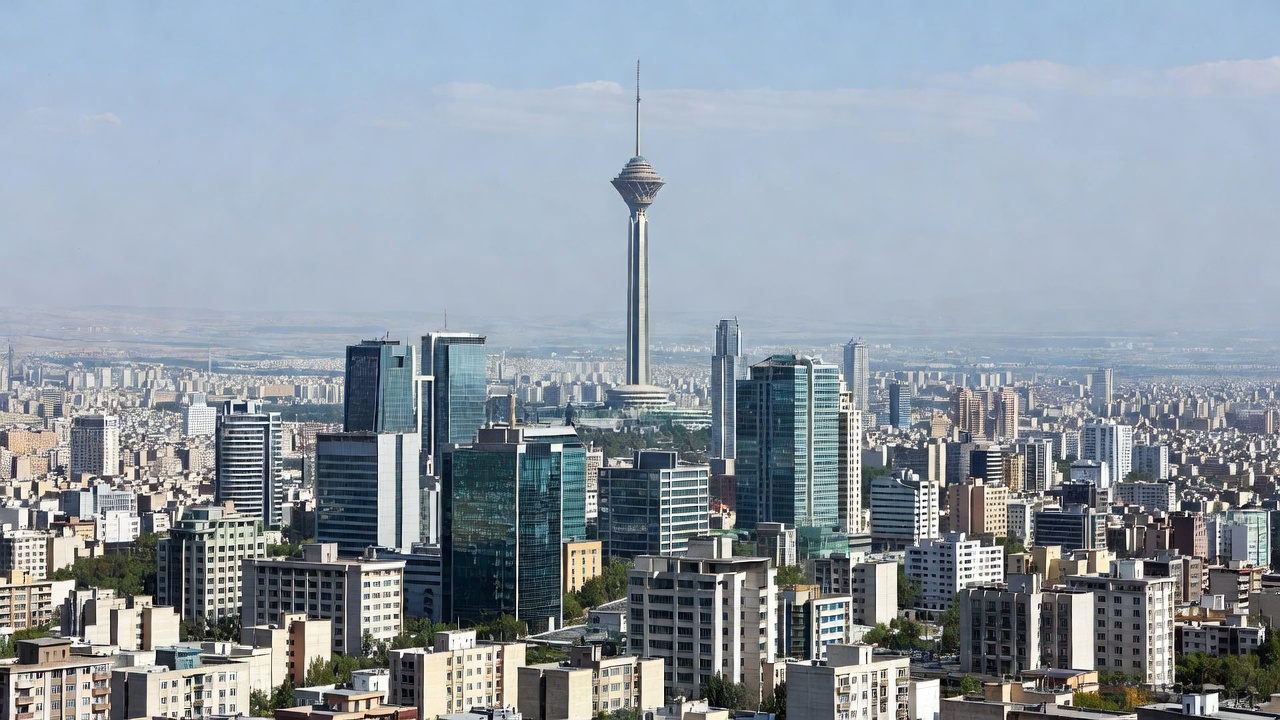
Iran’s political order underwent a fundamental shift after US and Israeli airstrikes killed Supreme Leader Ayatollah Ali Khamenei in late February 2026, according to a Reuters report on US intelligence assessments. The 86-year-old’s death, along with several family members, decapitated much of the old guard and elevated a younger cohort with close ties to the Islamic Revolutionary Guard Corps. Mojtaba Khamenei, 56, assumed the supreme leader role while President Masoud Pezeshkian, 71, retained his position, a transition that a Chatham House analysis described as moving beyond the caution that defined his father’s 35-year rule. Parliamentary speaker Mohammad Bagher Ghalibaf and Revolutionary Guard commander Ahmad Vahidi, both in their 60s, emerged as key figures in the new setup, according to the same assessment.
A Brookings Institution review of the 2026 conflict highlighted how the new leadership proved more willing to escalate militarily than its predecessor, directly targeting US bases across the region including facilities in Bahrain, Qatar and Kuwait. This marked a departure from the measured retaliation seen after the 2020 US strike that killed Qasem Soleimani, when Iran had telegraphed its limited response in advance. Six US soldiers died in Kuwait and hundreds more were injured during the fighting, a Crisis Group report placed the overall Iranian death toll above 3,400 with thousands more injured across the region. Vali Nasr, a professor at Johns Hopkins University, told BBC News the post-revolutionary generation managed both the war and subsequent peace negotiations with greater decisiveness.
Gulf Arab states found themselves caught in the crossfire, prompting a reevaluation of their security ties with Washington, according to a Brookings assessment published in July 2026. Iran launched more than 2,000 missiles and drones at facilities in Saudi Arabia, the United Arab Emirates and other council members, killing at least nine civilians and disrupting oil and gas exports through the Strait of Hormuz. Traffic through the vital waterway dropped more than 90 percent at times, driving global oil prices from around $70 per barrel to an average of $103 in March, a Britannica overview of the war noted. Reuters reported that several Gulf countries have since explored reconciliation with Tehran, including potential talks involving Saudi Arabia, though analysts like Ali Vaez of the International Crisis Group cautioned that US security arrangements remain indispensable for them.
Domestically, the new leadership has shown signs of relaxing certain social restrictions to restore public faith in the state, a Chatham House analyst based in Abu Dhabi named Aniseh Bassiri Tabrizi told BBC News. The hijab is no longer strictly enforced outside state institutions, and alcohol has become quietly available in some Tehran restaurants, moves that Nasr attributed to pragmatic decisions driven by the need to rebuild legitimacy after January 2026 protests and the subsequent crackdown. Sanam Vakil, director of the Middle East programme at Chatham House, noted that the removal of the 86-year-old Khamenei as the main brake on systemic evolution has allowed this generational change. Yet the regime maintains a strong focus on controlling dissent, according to the same analyst.
The fragile ceasefire signed last month at the Palace of Versailles, hosted by French President Emmanuel Macron, has opened the door to potential sanctions relief and a $300 billion reconstruction plan, a BBC diplomatic correspondent reported. Iran has already received 60-day US waivers allowing crude oil exports, providing a daily revenue boost of nearly $25 million in March alone as detailed in a Britannica compilation of war economics. The memorandum of understanding refers to unfreezing Iranian assets and eventual lifting of all international sanctions in exchange for nuclear concessions, though disagreements persist over Tehran’s programme and the Strait of Hormuz. A Reuters dispatch indicated US officials remain skeptical that the changes will lead to full regime transformation.
Whether this inflection point results in a new social contract remains uncertain, as a Crisis Group overview warned of continued IRGC dominance amid public grief over protest deaths and war casualties. Nasr described it as a China-after-Mao moment where the system recognizes that something must give, yet hardliners retain the capacity for repression. Vaez characterized the current environment as a plastic moment pregnant with possibility for revised regional relationships, though deep mistrust built over decades could derail progress. The new cohort has demonstrated it can defend sovereignty but faces questions over delivering prosperity, according to multiple assessments from think tanks including the Atlantic Council.