ع
ع


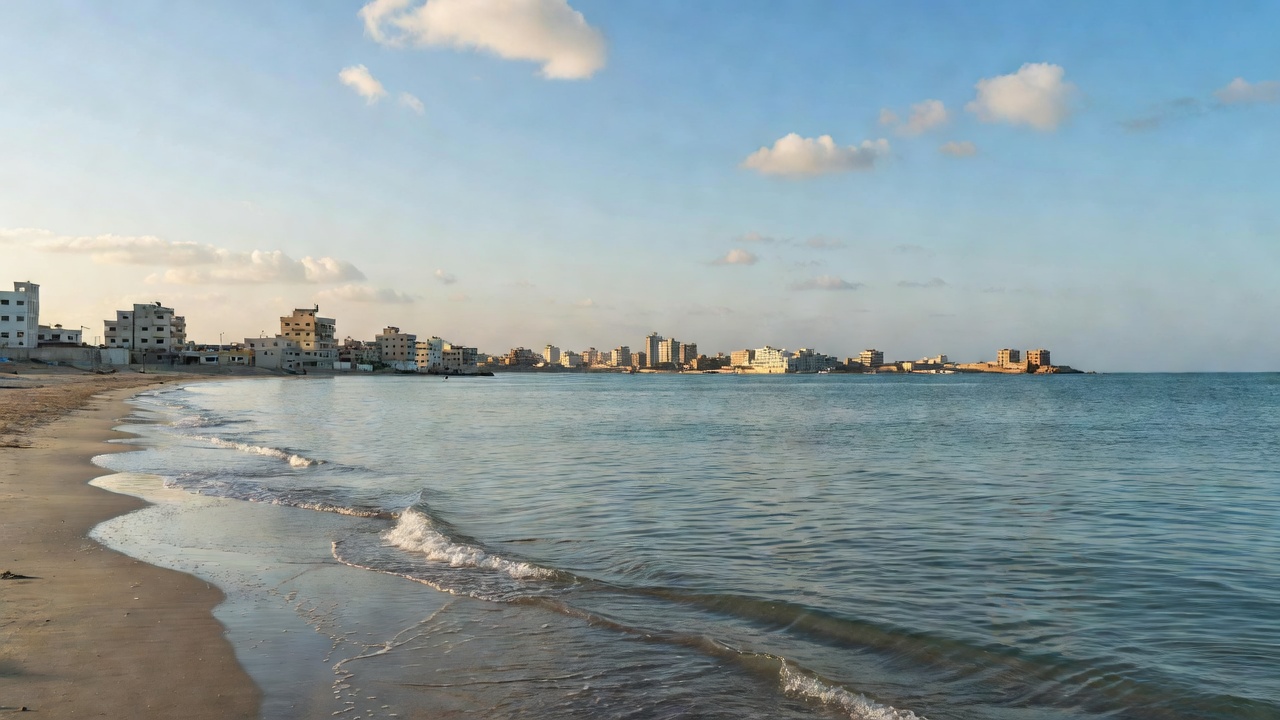
The British Broadcasting Corporation reported on July 31 that a Hamas official confirmed the group’s acceptance of the disarmament framework, with a formal statement expected in the coming hours. President Donald Trump described the development as a major milestone in his 20-Point Plan via a post on Truth Social, according to the same report. The accord calls for Israeli forces to pull back as disarmament proceeds and for an International Stabilization Force to back a new Palestinian police service. Mediators from Egypt, Qatar and Turkey received thanks from the US leader for their role in advancing the talks.
The Board of Peace, formed by the Trump administration at the start of 2026 to manage postwar arrangements in Gaza, has encountered multiple obstacles since its creation, a Council on Foreign Relations overview from the period noted. A disarmament proposal presented to Hamas in March and April drew rejection from the group, as several outlets including the BBC detailed at the time. Khalil al-Hayya, who took over as Hamas leader following the death of Yahya Sinwar in October 2024, has led the organization’s negotiating teams in indirect discussions hosted by Egypt and Qatar.
United Nations Office for the Coordination of Humanitarian Affairs snapshots have continued to monitor conditions in Gaza since the October 2025 ceasefire took hold. The Ministry of Health in Gaza, whose figures the UN agency often references with caveats, previously placed the overall death toll from the preceding military campaign above 73,000, including more than 21,000 children. The October 7, 2023 assault by Hamas that started the latest round of fighting killed 1,200 people in Israel and resulted in 251 taken hostage, according to Israeli authorities.
Israeli officials told reporters that the latest terms failed to satisfy their demands for Hamas to be fully dismantled, the Times of Israel conveyed in its coverage of the announcement. The newspaper added that an agreement had been signed between Hamas negotiators and the mediators but that Tel Aviv maintains its opposition to any outcome preserving the group’s influence. A mediator meeting scheduled for Cairo in the coming days will focus on fleshing out the second phase, which pairs disarmament with reconstruction steps.
Reuters reported in January 2026 that the second phase of the US plan began with the creation of a transitional technocratic Palestinian administration to govern Gaza under Board of Peace oversight. The phase explicitly includes full demilitarization alongside reconstruction, the wire service stated at the time. The Washington Post noted in a dispatch three days before the latest announcement that the Board had scaled back some ambitions amid implementation delays, shifting toward smaller pilot projects for temporary housing.
A Soufan Center analysis published in January highlighted that the International Stabilization Force, intended to support demilitarization without US ground troops, still lacked firm commitments from potential contributing nations at that stage. The Board itself was structured to include dignitaries and experts, with permanent seats offered in exchange for substantial donations to a reconstruction fund, the center’s brief added. Turkey, among the mediators, had anticipated the second phase would commence early in 2026, according to a separate Reuters dispatch from December 2025.
Hamas announced the resignation of its civil administration in Gaza on July 6 under the peace plan parameters, a development that ended months of limbo dating to January, Wikipedia’s compilation of events recorded. The Board of Peace charter notably omits direct reference to Palestinian territorial issues while aiming to handle functions that might otherwise fall to United Nations bodies, the British Broadcasting Corporation observed in its background summary. Further talks are expected to clarify how weapons decommissioning will proceed and which groups beyond Hamas will fall under the agreement.