ع
ع


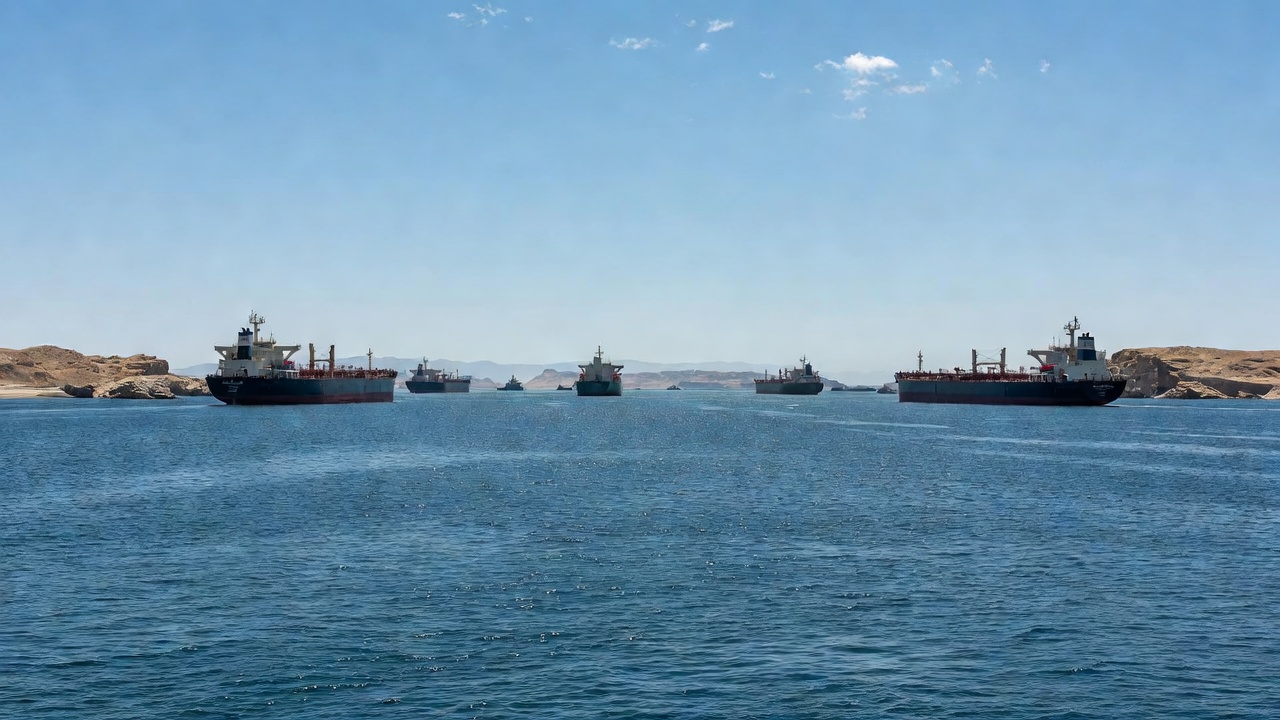
Iranian drones targeted US facilities in southwest Iran on Thursday, killing four people and injuring five others as explosions reverberated along the Gulf coast and into western, northern and central districts, according to a BBC News report that drew on information from Reuters and AFP. The exchanges mark a sharp deterioration following earlier US operations aimed at neutralizing threats to commercial shipping. Regional authorities placed military bases on heightened alert with the latest incidents compounding strains that have persisted since the start of the year.
The United States directed frozen Iranian assets toward compensating for damages linked to repeated disruptions in the Strait of Hormuz, a decision Tehran condemned as establishing a harmful precedent, the BBC News report stated. Brent crude climbed above 100 dollars a barrel in response to the renewed insecurity, building on earlier spikes that Goldman Sachs had projected could reach 150 dollars without swift resolution to supply bottlenecks. JP Morgan analysts assessed in May that prices would likely remain in the low 100s for much of 2026 even if the strait reopened, averaging 97 dollars for the full year once tanker and refinery constraints eased.
A June memorandum of understanding that outlined a 14-point framework to pause hostilities had produced a temporary ceasefire brokered under the Trump administration, yet subsequent attacks prompted its termination, Reuters reporting indicated. American strikes focused on degrading Iranian assets that endangered maritime routes through the Gulf. The sequence reflects a pattern of retaliation that has kept energy markets volatile throughout the first half of 2026.
President Donald Trump pledged major military punishment directed at both Iran and affiliated Houthi elements while weighing the resumption of broader combat operations inside Iran, he stated in public remarks. The escalation triggered air defense alarms across Bahrain and Jordan with a separate drone incident reported at Erbil airport in Iraq. Neighboring states have coordinated closely to monitor potential spillover from the direct US-Iran exchanges.
Earlier disruptions in the Strait of Hormuz had already forced the rerouting of more than 12 million barrels of crude in a single night, according to statements attributed to Vice President JD Vance in June coverage by CNBC. Those movements underscored the vulnerability of daily flows that once exceeded 20 million barrels of oil and products combined. Shipping companies continue to adjust insurance and routing decisions in response to the persistent risk environment.
Public statements from Iranian Foreign Minister Abbas Araghchi reinforced Tehran’s position that the US asset seizure violated international norms and would complicate any future diplomatic openings, the BBC News account noted. The cumulative impact on global energy prices has drawn warnings from investment banks about longer-term effects on inflation and economic growth in import-dependent economies. Monitoring efforts by Gulf cooperation bodies have intensified to track both military movements and commodity flows in the affected zones.