ع



Foreign Minister Jean-Noël Barrot confirmed the attribution during a press briefing, describing the incident as unprecedented in scale and aggression. The minister announced that sanctions would be pursued at European level and that Iran’s ambassador to France had been summoned, according to his statements reported by the Guardian and CNN. The Paris prosecutor’s office simultaneously disclosed that it had opened a judicial investigation into the head of an offensive cyber unit affiliated with the Revolutionary Guards, citing Farsi language elements and Iranian IP addresses.
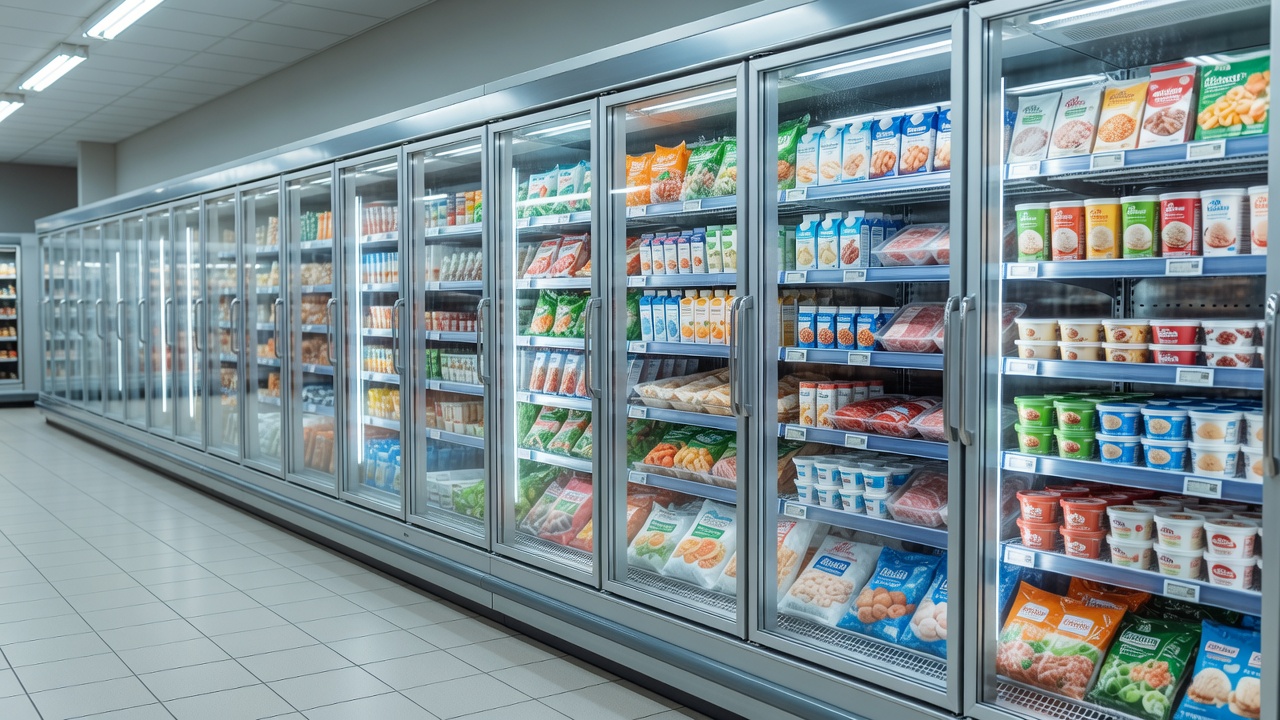
Hackers compromised remote management systems on commercial refrigerators and freezers supplied primarily by Danfoss during the October 11-12 operation, according to technical details released by investigators. They overrode temperature controls to trigger defrost modes, pushing internal conditions to 50 degrees Celsius and ruining perishable goods while igniting fires in some locations, the Paris prosecutor’s office stated. Retailers were forced to dispose of entire stocks to ensure no health risks, with the incident prompting a national criminal probe by the Anti-Cybercrime Office.
Data from affected retailers compiled by Reuters placed the number of impacted French stores at several hundred, with Intermarche reporting 150 sites, Carrefour 80 and Coopérative U more than 80, while CNN data placed the total near 700 retailers. One supermarket owner estimated total costs in the tens of millions of euros. A subsequent wave of attacks hit more than 100 establishments across Europe including French blood banks, according to Reuters.
Evidence cited by French officials pointed to Iranian state-backed actors, with the investigation focusing on the Shahid Kaveh unit. Cybersecurity expert Gérôme Billois told the Guardian that the sabotage bore hallmarks of an effort to spread fear and question government stability. Prime Minister Sébastien Lecornu instructed the ANSSI cybersecurity agency to investigate and coordinate with European counterparts, an official confirmed.
Forescout research identified 12,976 internet-exposed refrigeration control systems across 99 countries, many running outdated firmware susceptible to known vulnerabilities from 2025, the cybersecurity firm reported. A US Cybersecurity and Infrastructure Security Agency alert highlighted risks from authentication bypasses and weak configurations in such systems. The attacks have underscored the dangers to cold-chain infrastructure from unsecured Internet of Things devices, according to WIRED analysis.
Iran has made no immediate comment on the French claims, following its pattern of denying cyber operations attributed by Western nations, a Reuters dispatch noted. A Bitkom study on German companies found nine percent attributed recent cyberattacks to Iran, reflecting a growing suspected role. UK, US and Dutch intelligence agencies issued a 2026 warning on Iranian cyber campaigns targeting opponents, according to a BBC report.