ع



The French government has blamed far-left groups for planning much of the violence that erupted during mass protests on October 18, 2026, while mayors and opposition parties have highlighted what they described as security preparation failures, according to reports from Reuters and the BBC. President Emmanuel Macron declined to accept the resignation of Interior Minister Laurent Nunez after the minister acknowledged that police had lost control in some areas, a New York Times article from October 19 stated. Prime Minister Sebastien Lecornu promised a massive police presence for planned future demonstrations and said local curfews had already proven effective in restoring order, CNN reported. Unions have called for national strikes on November 5 in response to the underlying grievances, Reuters added.
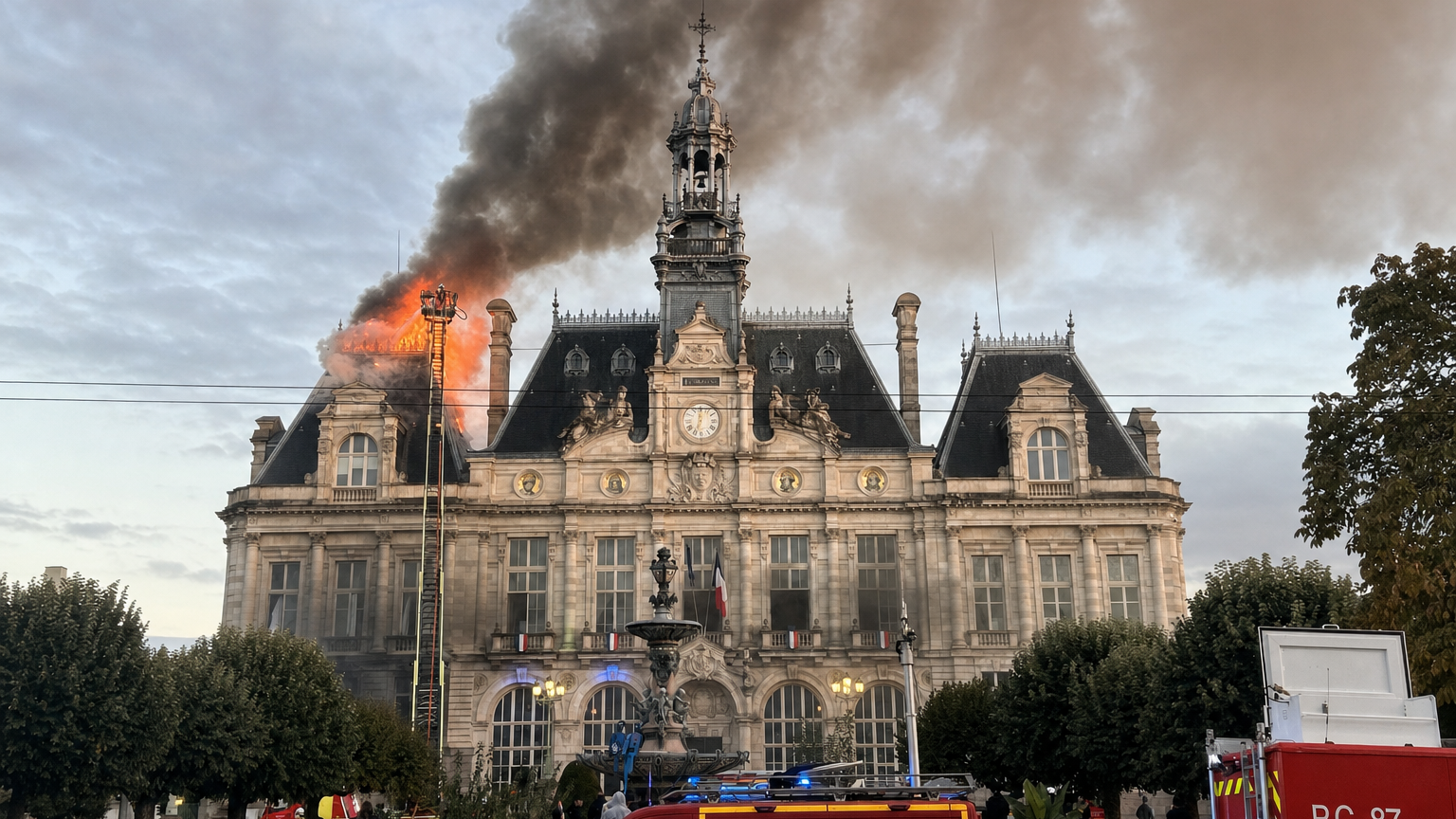
More than 550,000 demonstrators participated in marches against rising living costs, fuel prices and poor school conditions before the events turned violent in several cities, figures cited by CNN and the BBC showed. Rioters set fire to the historic city hall in Limoges, causing its roof and clock tower to collapse, and looted shops in Paris where 300 to 400 businesses were vandalised, Reuters reported on October 19. At least two deaths occurred along with injuries to nearly 1,000 officers and serious harm to some protesters including loss of hands from crowd-control devices, multiple outlets including AFP noted through CNN. The interior ministry deployed 60,000 security forces but admitted the number proved insufficient in certain locations, according to statements relayed by Reuters.
Far-right politician Marine Le Pen claimed the riots represented a failure of Macron’s leadership and suggested immigration played a role in the disorder, an analysis published by Al Jazeera on October 19 indicated. Jean-Luc Melenchon of the left-leaning France Unbowed movement accused the government of either incompetence or a deliberate strategy to portray itself as the defender of order, the BBC detailed in its October 21 coverage. Political observers have described the unrest as potentially benefiting Le Pen’s National Rally party in the lead-up to the 2027 presidential election, with one academic calling it a significant advantage for the far right, according to Al Jazeera. The events have exposed deep societal rifts with polls showing high levels of public discontent, CNN reported from an Ipsos-BVA survey.
In the aftermath, authorities extended curfews in parts of Paris, Marseille, Lyon and other cities while expediting court proceedings for those detained, the New York Times stated on October 20. More than 2,000 people were arrested over the weekend with many facing charges related to looting and arson, interior ministry data cited across reports showed. Macron’s office announced an agreement for additional diesel supplies from the United Arab Emirates and Bahrain to help ease fuel price pressures that fueled the protests, according to the New York Times. The government has scheduled meetings this week to consider concrete proposals addressing some of the demonstrators’ concerns, CNN noted from Macron’s address.
The protests began last month focused on education issues such as teacher shortages and rundown facilities in working-class areas before evolving into a wider expression of frustration with economic conditions, a Reuters timeline from October 18 explained. France’s strained public finances and divided parliament have limited the government’s ability to offer concessions similar to those made during past crises, analysts told Reuters. The 2024 snap elections called by Macron further weakened his centrist alliance and complicated budget passage, contributing to the current impasse, multiple sources including the New York Times reported. This context has intensified the political blame game as all sides position themselves ahead of the next national vote.