ع
ع


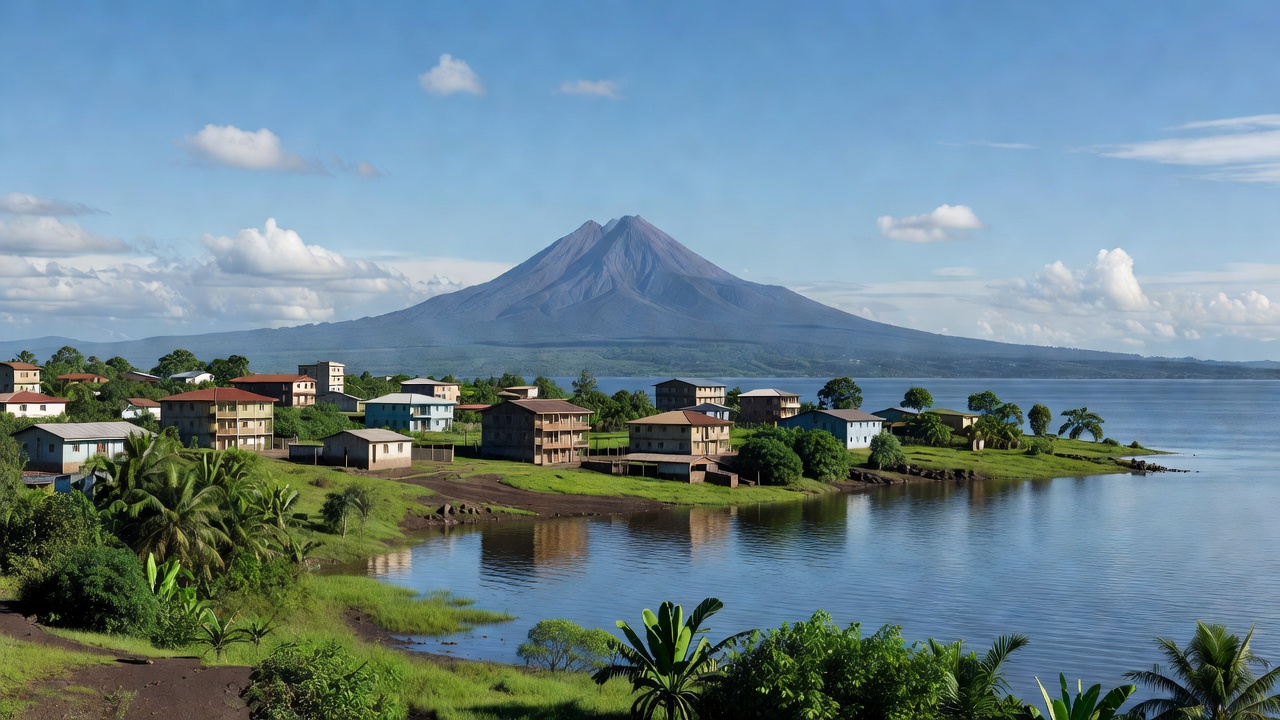
The new Front for the Refoundation of the Nation was unveiled at a press conference held at Joseph Kabila’s residence in Goma, the eastern city that M23 forces have controlled since January 2025. Coalition adviser Claude Ibalanky told reporters that the group would unite and coordinate resistance forces to put an end to tyranny by any means necessary, including the use of force. Sultani Makenga, the longstanding M23 military commander, was named one of four deputies alongside Corneille Nangaa, Bertrand Bisimwa and Freddy Kaniki, according to a Reuters dispatch from the event. The FRN replaces the Alliance Fleuve Congo as the political umbrella for the insurgency, Xinhua reported.
Kabila, who governed the Democratic Republic of Congo from 2001 to 2019, received a death sentence in absentia from a Kinshasa military court in September 2025 on charges that included treason, war crimes and collaboration with the rebels. The verdict also ordered him to pay $33 billion in damages to the state and affected eastern provinces, Al Jazeera noted in its coverage. Kabila had previously denied any links to M23, even as Congolese authorities accused him of orchestrating the group’s resurgence. A United Nations Group of Experts report had anticipated such a restructuring with an elevated role for the former president.
Eastern Congo has suffered armed violence involving more than 120 groups for more than 30 years, creating one of the world’s largest humanitarian emergencies with over seven million people displaced, according to United Nations assessments. M23, which the UN and United States say receives direct support from Rwanda, seized Goma and other mineral-rich territories during a rapid offensive that began in late 2024 and accelerated through 2025. Rwanda has consistently rejected those allegations while citing its own border security concerns. The fighting has repeatedly disrupted access to coltan, tin and gold deposits that supply global technology and electronics industries.
Three days before the coalition launch, Kabila delivered a public address accusing President Felix Tshisekedi’s government of corruption, mismanagement and military failures while criticising a minerals partnership signed with the United States. The former president returned to Goma in 2025 after years of self-imposed exile in South Africa, deepening perceptions of coordination with the rebels, a Reuters analysis found. Several longtime Kabila allies have since assumed roles inside the movement, further blurring lines between his political network and the insurgency. The Tshisekedi administration had not issued a statement on the FRN formation as of Tuesday.
The United States imposed sanctions on Kabila in April 2026, citing financial support to the AFC and encouragement of army defections to the rebel side. Those measures followed earlier American sanctions on the M23 and AFC themselves, an AP News report recalled. A framework peace agreement signed between Kinshasa and the rebels in late 2025 under Qatari and American mediation has produced limited results on the ground, with cease-fire monitoring bodies established but full restoration of state authority stalled. The FRN declaration signals a consolidation rather than a winding down of armed opposition to the government.
Kabila first came to power at age 29 following the 2001 assassination of his father, Laurent-Désiré Kabila, and oversaw the country’s first democratic elections in 2006 before stepping down in 2019. The current constitutional limit of two five-year presidential terms means Tshisekedi’s mandate ends in 2028, although ruling-party lawmakers have floated amendments to allow him to run again. The emergence of the FRN under Kabila’s leadership adds another layer of complexity to mediation efforts that have already involved Angola, the United States and the East African Community.