ع
ع


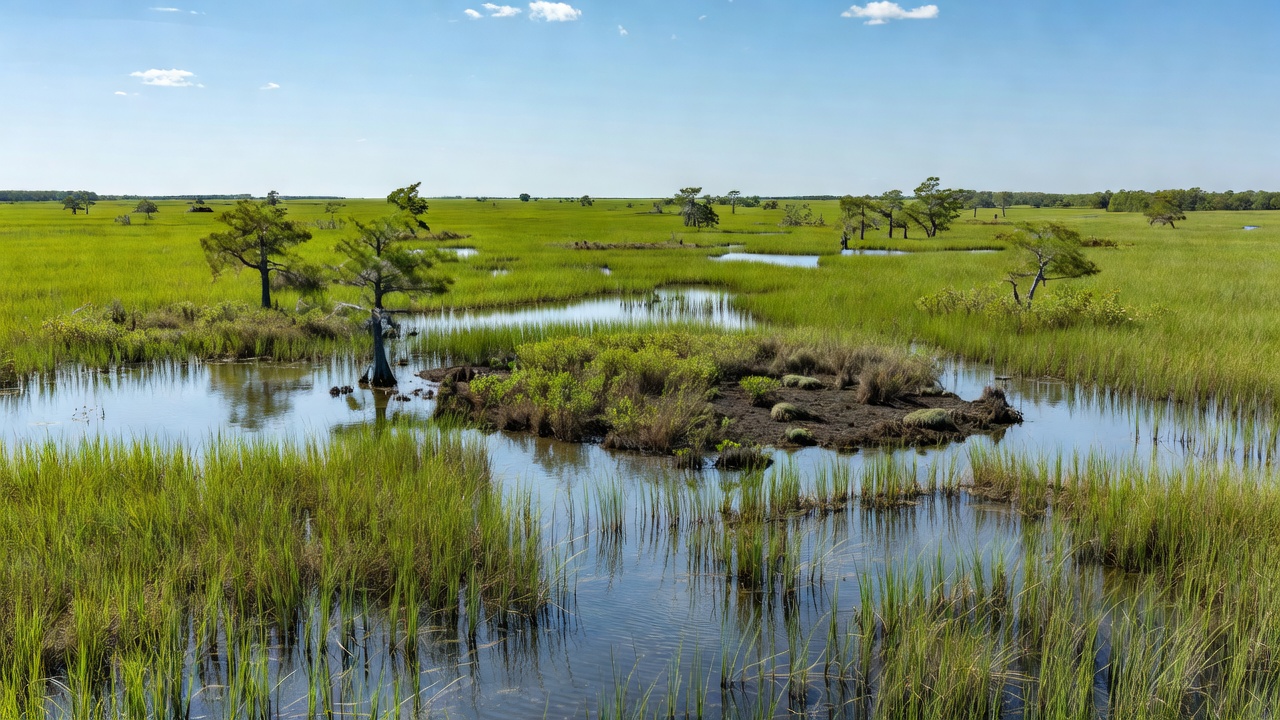
The Department of Homeland Security Office of Inspector General assessment, drawn from an unannounced inspection conducted in January 2026, documented the confinement of 79 detainees in enclosures measuring approximately 18 square feet between July 2025 and January 2026. Facility staff referred to the structures as calming areas intended to allow individuals to de-escalate, yet the report concluded that their use presented significant risks including exposure to intense heat, direct sunlight and biting insects in the Everglades setting. Investigators observed both outdoor cages in recreation areas and indoor versions within special management units, noting that detainees were shackled during escort but not while inside and that doors featured locks which staff said remained unused. The assessment determined the average confinement lasted just under an hour though one case appeared linked to failure to comply with a command, raising the possibility of disciplinary application.
According to the inspector general report, the practice of placing individuals in such restrictive metal enclosures was unlike any previously observed in facilities overseen by Immigration and Customs Enforcement and did not align with standards for humane treatment. The enclosures measured roughly four feet three inches by four feet three inches at the base and stood seven feet nine inches tall, providing less than half the minimum square footage required under federal guidelines for single-occupancy holding rooms. A separate Amnesty International investigation released in December 2025 had previously described similar structures known among detainees as the box and concluded that conditions there may have amounted to torture, prompting separate congressional scrutiny by senators including Jon Ossoff and Dick Durbin.
The OIG review further identified multiple violations of detention standards at the state-operated site, which was erected in eight days on an abandoned airfield in Ochopee and fell under a 287(g) agreement between Florida and federal authorities. Housing units delivered only about 28 square feet of living space per person at peak occupancy, less than half the mandated 75 square feet, resulting in cramped conditions for individuals who spent the majority of their time inside windowless tents. Detainees received just one hour of recreation three days per week rather than the required daily hour five days a week, while showers infested with insects were available only three times weekly amid broader shortcomings in hygiene, medical access, food quality and clean water provision.
Florida Gov. Ron DeSantis announced the closure of the facility on June 25, 2026, stating it had always been intended as temporary until federal capacity expanded and had assisted in the deportation of more than 21,000 individuals. The Associated Press reported that all detainees were transferred ahead of hurricane season, with the governor noting at a news conference that the center had fulfilled its role in supporting federal immigration enforcement efforts. State records placed the total cost of construction and operation above $1 billion, financed primarily through emergency preparedness funds with federal reimbursement still under discussion at the time of closure.
President Trump visited the site in its early weeks of operation and remarked on the remote location, at one point joking that detainees would need to learn how to evade alligators, according to multiple news accounts of the tour. The facility, officially known as the South Florida Detention Facility, consisted of large tents containing rows of bunk beds surrounded by chain-link fencing and drew immediate criticism from civil rights groups that filed lawsuits over due process limitations, restricted attorney access and environmental concerns related to its placement inside a protected wetland. An earlier probe by the Miami Herald and other outlets highlighted detainee accounts of overflowing toilets, worm-infested meals, abrupt loss of air conditioning and mosquito infestations that compounded the harsh conditions.
The inspector general report stopped short of assigning individual blame but recommended corrective actions to prevent recurrence of the violations across the broader detention network. Immigration advocates including the American Civil Liberties Union have continued to press for accountability, citing the findings as confirmation of long-standing concerns raised during the center’s year of operation. Officials from the Department of Homeland Security and the Florida Division of Emergency Management had not issued formal responses to the specific conclusions by the time the report became public.