ع



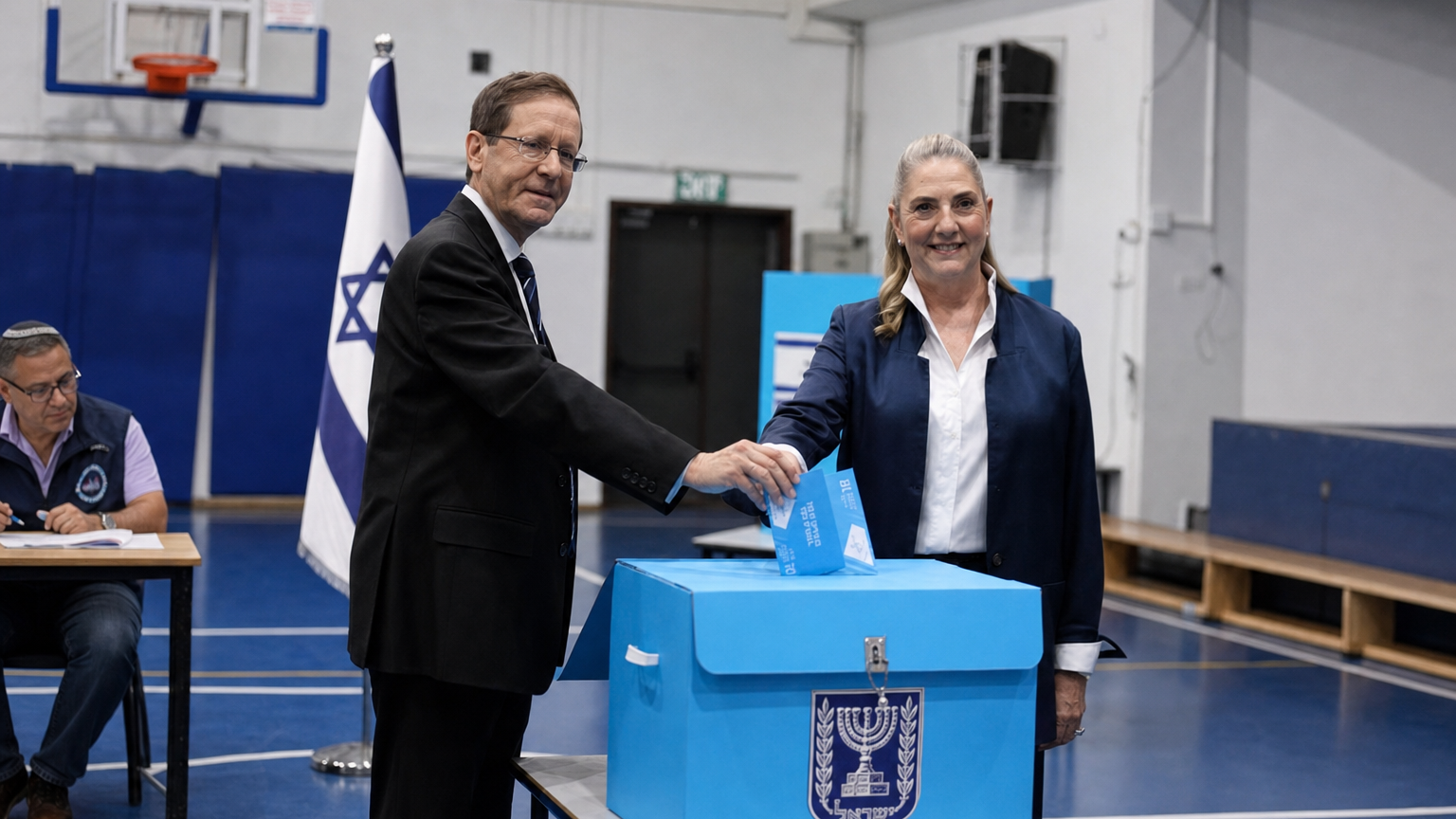
Israeli television channels released exit polls following the closure of polling stations on October 27 that pointed to an inconclusive outcome in the country’s first national election since the October 7, 2023 Hamas attack. According to the Associated Press, Netanyahu’s political bloc appeared to secure roughly 50 seats while the main rival opposition secured 52 and Arab parties 18, setting up extended coalition negotiations. The Washington Post reported that the results delivered a sharp rebuke to the prime minister, slashing his coalition’s strength from 68 seats previously.
Gadi Eisenkot of the Yashar party told supporters the polls indicated a lack of confidence in Netanyahu and that he would act immediately to form a new government. Globes noted the Arab parties as the biggest surprise with 16 to 18 seats, up from 10 in the last Knesset. Al Jazeera reported turnout hit 77.7 percent, the highest since 1999.
A BBC video titled “Watch: ‘No clear winner’ in Israel election – what happens now?” analyzed the situation, noting that weeks or months of talks may follow before a prime minister is selected. Far-right elements within Netanyahu’s camp rejected ideas of a unity arrangement with Eisenkot, per updates from multiple outlets. Yair Lapid described it as a total collapse for the Netanyahu bloc in comments reported by the Union Leader.
The election served as a referendum on leadership during the ongoing conflicts, with both main sides short of the 61 seats needed for a majority in the 120-member parliament. Bloomberg figures showed Eisenkot’s bloc with a slight edge in most projections though variations existed across channels such as Channel 14 which gave the right-wing 60 seats. Final official tallies are expected in the coming days and could differ from the initial polls.
Coalition building in Israel often requires compromise across ideological lines but the strong Arab party performance presents a complication as neither bloc has previously included them in government. CNN coverage indicated the narrow edge for the opposition could still lead to prolonged bargaining or even new elections if no agreement is reached. Analysts following the vote highlighted the potential for political limbo in the near term.
Preliminary counts released early on October 28 began to show some movement from the exit polls with one tracker projecting gains for Netanyahu’s side after initial ballots were processed. Israel Hayom detailed how different networks produced slightly varying seat projections for parties including Likud at 24 to 30 and Yashar at 19 to 23. Official results will be certified over the coming days as bargaining among party leaders intensifies.