ع



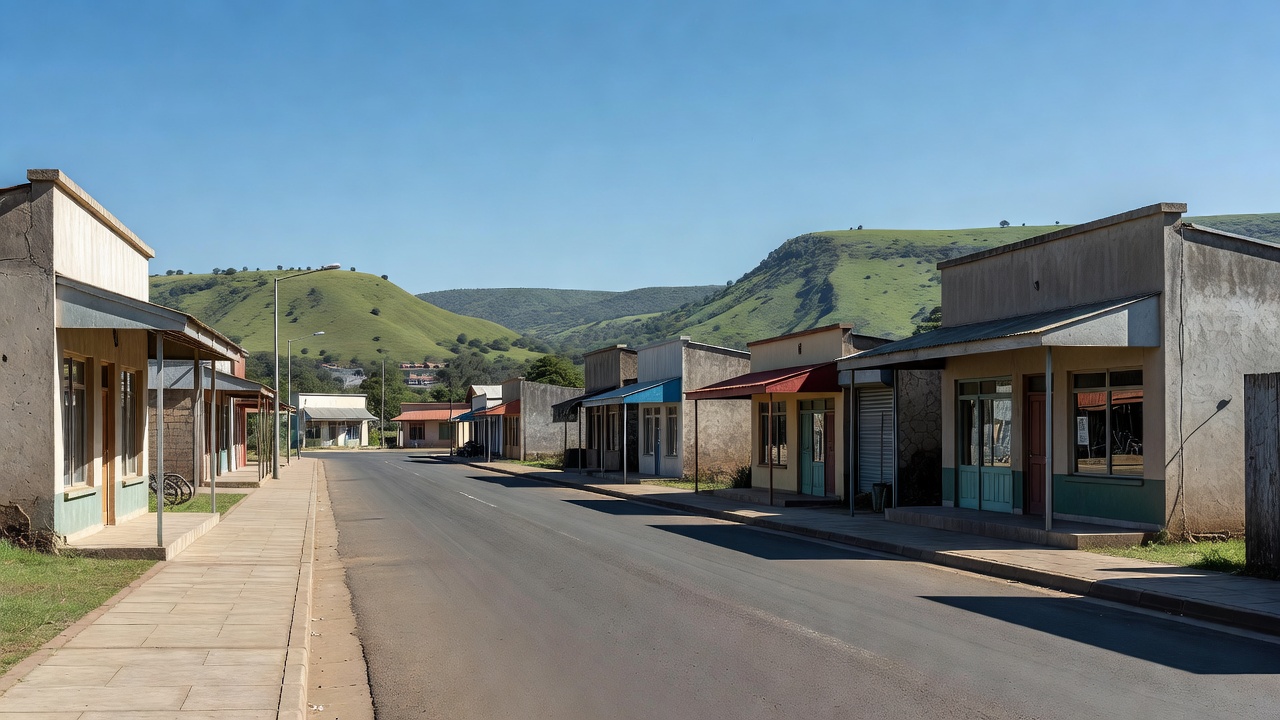
Parliament took the decision during a debate on the Ministry of Commerce, Industry and Trade’s second-quarter performance report, The Times of Eswatini reported. Mbabane East MP Welcome Dlamini told lawmakers the inspections had created a public impression that the government sought to drive foreign business operators from the country, with some comparing it to South Africa’s ‘Phakelumthakathi’ operation. Dlamini added that the ministry’s report acknowledged a crackdown was under way and had reportedly received Cabinet approval. In response the ministry stated that its objective was not to remove all foreign-owned businesses but to ensure every enterprise operated in compliance with prevailing laws and regulations.
Businesses owned by Asian nationals have been targeted in the crackdown that follows parliament’s approval of the Citizen Economic Empowerment Act, which aims to increase ownership and participation by emaSwati. Local traders had complained that foreign-owned shops were encroaching on traditional retail markets, heightening competition and threatening livelihoods. One MP asked why struggling local traders should have to wait three years while emaSwati suffered economically, prompting agreement on the 12-month period, although the ministry could continue enforcing existing provisions unless the law is formally amended.
The measure builds on inspections launched by the trade ministry in August 2026, when a joint compliance operation in Nhlangano inspected 94 businesses and charged 37 operators with offences ranging from trading without licences to immigration violations. A year earlier, in September 2025, immigration officials identified 38 foreign nationals trading outside the scope of their permits in Manzini and Mbabane. These actions reflect ongoing enforcement of legislation governing business licences, taxation and residency requirements across the kingdom.
Eswatini’s economy, with a population of around 1.2 million and per-capita GDP of $4,089 in 2024, saw growth rise to 4.8 percent that year from 3.4 percent in 2023, according to World Bank data. Slightly more than half the economy is concentrated in services while industry, particularly manufacturing, accounts for another third, with South Africa remaining the dominant trading partner. Roughly 70 percent of the population lives below the poverty line, intensifying pressure to expand local participation in commerce.
Foreign direct investment inflows surged 215 percent in 2024 to more than E1.5 billion after a sharp decline the previous year, a COMESA Investment Report indicated. Nevertheless the country slipped one place to 30th in the 2026-27 Rand Merchant Bank ranking of African investment destinations. Lawmakers voiced concerns during the debate that abrupt closures could result in job losses for emaSwati workers, wasted stock and reduced access to essential goods in rural communities.
Proposed regulations under the Citizen Economic Empowerment Act, tabled in September 2026, provide for fines of up to E25,000 or imprisonment for fronting and providing false information to obtain benefits. The ministry has emphasised that all businesses, irrespective of ownership, must meet tax obligations and adhere to licensing rules. Some outlets inspected in Mbabane during the recent drive were found to be fully compliant with current requirements.