

 ع
ع


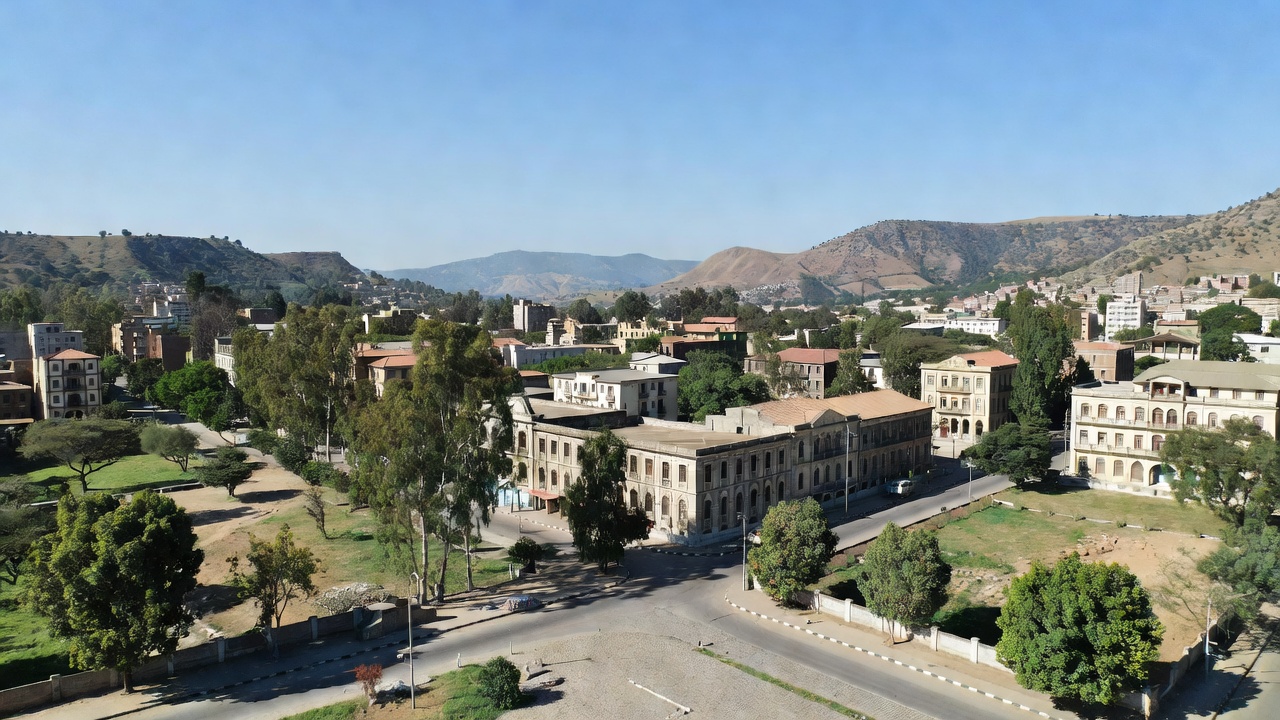
Human Rights Watch has documented that on September 18 and 19, 2001, Eritrean security forces rounded up 11 high-ranking officials who had publicly criticised President Isaias Afwerki. The group, known as the G-15, consisted of veterans from the 30-year independence struggle against Ethiopia who had gone on to hold senior posts in the post-independence government. Their open letter had demanded the implementation of a 1997 constitution that was ratified but never put into effect, along with regular parliamentary sessions and eventual multi-party elections.
The crackdown extended to the independent media that had covered the reformers’ demands. According to Amnesty International’s latest reporting, authorities arrested at least 10 journalists at the same time and closed all private newspapers, leaving the country without any independent press for the subsequent quarter century. Eritrea has ranked at or near the bottom of global press freedom indices ever since, the organisation noted in its annual review.
No member of the G-15 or the associated journalists has ever appeared in court or been allowed contact with relatives. A briefing published by Human Rights Watch in 2011, updated in subsequent world reports, indicated that credible but unconfirmed accounts from defectors suggest at least half of those detained have died in custody from harsh conditions or illness. Families have received no official confirmation or remains, leaving them in prolonged uncertainty.
One relative of a prisoner told the BBC, “I don’t even know if my parents are alive.” The comment reflects the anguish described by multiple family members who have waited 25 years without news, according to the BBC report marking the anniversary. Human Rights Concern-Eritrea has highlighted how this enforced disappearance has caused psychological suffering for an entire generation of relatives.
The African Commission on Human and Peoples’ Rights issued a decision in 2003 finding Eritrea in violation of the African Charter and ordering the prisoners’ release. Two further rulings reaffirmed that the government had failed to implement the decision, yet no action has followed, according to an assessment published this week by regional analyst Martin Plaut. The United Nations Commission of Inquiry on Eritrea concluded in 2016 that there were reasonable grounds to believe crimes against humanity had been committed, including enforced disappearance.
In late 2025 Eritrean authorities released 13 long-term detainees who had been held without trial for more than 18 years, according to BBC reporting and human rights monitors. That development, while welcomed, did not extend to the G-15 or the journalists from the 2001 crackdown, leaving their cases unaddressed. Over 10,000 people are estimated to remain in arbitrary detention across the country, a Global Centre for the Responsibility to Protect review found earlier this year.
Prominent international writers including Nobel laureates Olga Tokarczuk and J M Coetzee signed an open letter this month calling for verified proof of life for 12 detained Eritrean writers and journalists. The Guardian reported that the letter, signed by more than 180 authors, marked the anniversary by demanding the government disclose what has happened to those held since 2001. Burhan Sönmez, president of PEN International, was quoted in the appeal as saying 25 years was an unbearable length of time for families to endure without knowing.