ع
ع


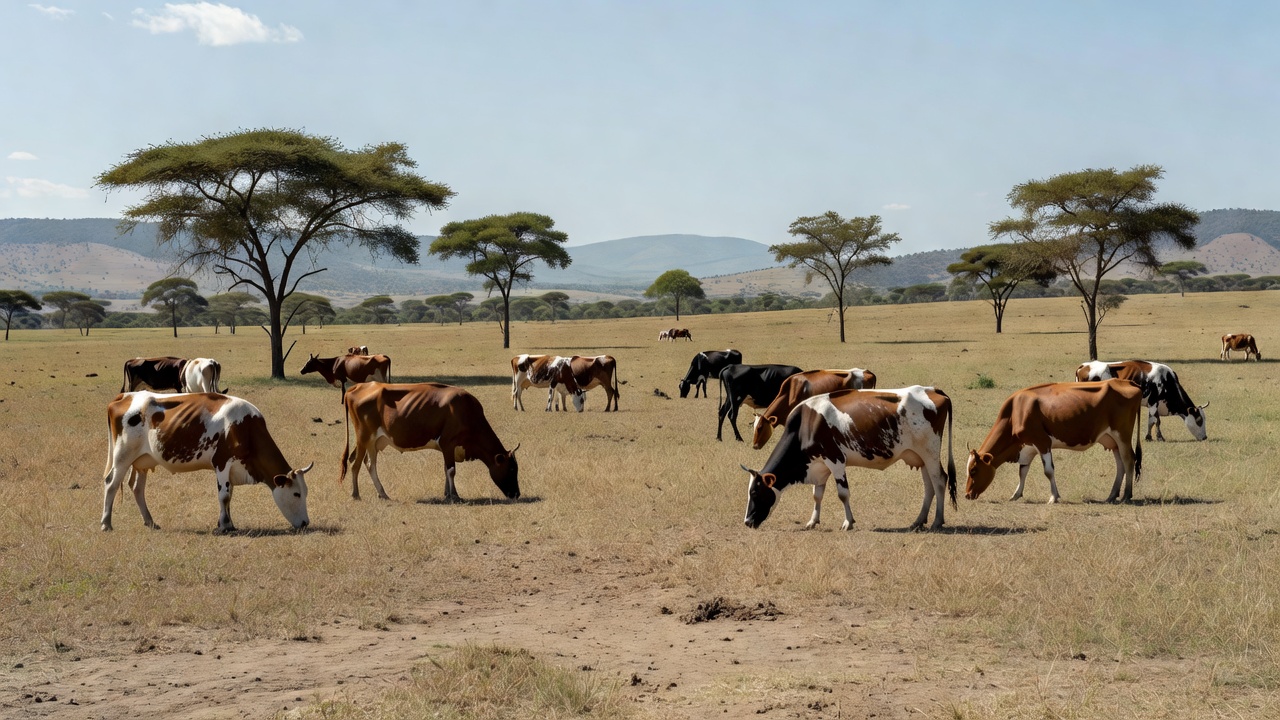
Formal milk deliveries to processors dropped 3.7 percent from 84.4 million litres in June to 81.3 million litres in July according to Kenya Dairy Board data with preliminary figures indicating a further decline in August as dry and cold conditions persisted across major production zones. The Consumer Federation of Kenya attributed the downward trend since the start of the year to delayed seasonal rains that limited grazing land together with a 45 percent increase in animal feed costs that have strained small-scale farmers. Fresh milk prices climbed from 70 to 80 Kenyan shillings per litre in some urban outlets where retailers began rationing supplies to stretch limited stocks.
Chai lovers accustomed to boiling tea leaves in generous quantities of milk often flavoured with ginger or spices have expressed frustration as supermarket chilled sections emptied and popular brands disappeared from shelves a development that disrupted a beverage served at breakfast meetings and social gatherings throughout the day. Some roadside tea vendors in Nyanza and other regions responded by reducing the milk in each cup prompting customer complaints about thinner brews according to reports from the Daily Nation. The Kenya Dairy Board described the constraints as temporary and more pronounced for pasteurised fresh milk than long-life varieties while cautioning against panic buying that has exacerbated local shortages.
Agriculture Cabinet Secretary Mutahi Kagwe warned that the shortages could worsen if the drought continues and noted that Kenya despite producing roughly 5.5 billion litres of milk annually remains vulnerable to weather shocks that affect fodder availability. Livestock Development Principal Secretary Jonathan Mueke outlined immediate steps including duty-free imports of yellow maize to lower feed costs and monitoring to ensure farmers supply processors rather than informal brokers who offer higher immediate payments. The ministry is also weighing temporary powdered milk imports from neighbouring countries until local output recovers with officials pointing to installed processing capacity that has risen to 5.2 million litres daily though current utilisation stands at only 45 percent according to Kenya News Agency figures.
Kenya produces about 5.2 billion litres of milk each year accounting for 10 percent of African output and 35 percent of East African Community production according to a Kenya News Agency assessment that also highlighted government plans to double annual production to 10 billion litres to lift smallholder incomes. A Ministry of Agriculture report cited in Daily Nation coverage placed last year’s output at an average of 4.2 billion litres against a potential of 12 billion litres revealing a persistent gap that improved per-cow productivity from 7.9 litres in 2020 to 9.3 litres in 2023 has yet to close. The Famine Early Warning Systems Network projected that pastoral areas would remain in crisis through September with livestock body condition and milk yields suffering from above-average temperatures and limited water before anticipated El Niño rains bring relief.
Public concern has grown with some circulating unfounded conspiracy theories about supermarkets manipulating supplies for profit the BBC reported while consumer groups criticised the situation as foreseeable and in material part avoidable. Processors in Nyeri for example saw daily collections fall from 10,000 litres earlier in the year to 6,000 litres by September according to local dairy managers who linked the drop to both fodder scarcity and elevated feed prices. Officials from the Kenya Dairy Board and the Consumer Federation of Kenya have urged calm emphasising that raw and fermented milk remains more available in rural areas where informal markets continue to function.