ع
ع


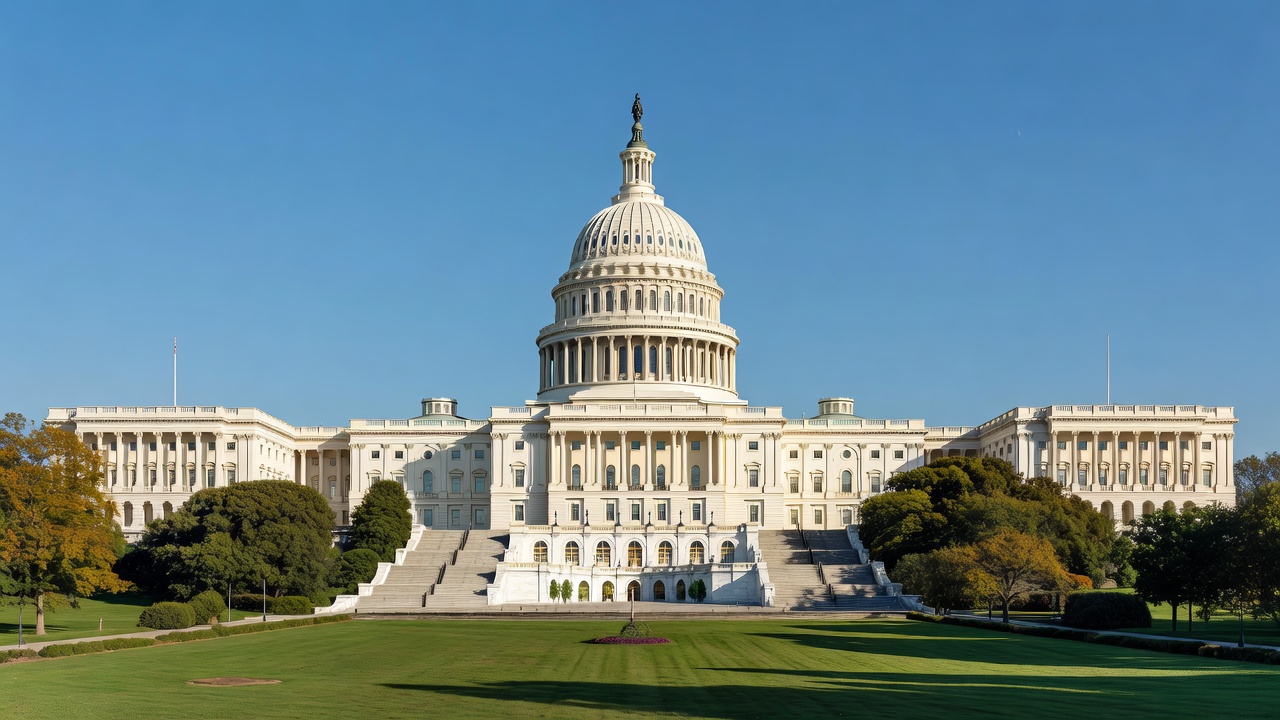
The Senate battleground has expanded dramatically since the beginning of the cycle, when only five races were considered competitive, to now include 13 seats with almost all of the additions being Republican-held, according to a Roll Call analysis. Democrats, who hold 47 seats to the Republicans’ 53, need a net gain of four to secure the majority while defending their own vulnerable positions. The Cook Political Report currently lists seven toss-up contests including Alaska, Iowa, Kansas, Maine, Michigan, Ohio and Texas, a shift that has scrambled Republican defensive strategy. Polling in these states shows Democrats overperforming expectations in an environment shaped by national headwinds for the GOP. Trump’s approval rating has fallen into the 40s since the start of his second term, which the BBC noted creates opportunities for the opposition in these midterms.
In Ohio, former Sen. Sherrod Brown is seeking a political comeback against Lt. Gov. Jon Husted in a contest where recent surveys show the Democrat with a narrow edge, the New York Times reported. Texas has emerged as another prime target where Democratic candidate James Talarico is running close to Republican Ken Paxton despite the state’s strong Republican tilt in recent presidential elections. Kansas, won by double digits by President Trump in 2024, now features a tight Senate race between Democrat Adam Hamilton and incumbent Roger Marshall that has drawn late spending from both parties. These developments illustrate how the map has shifted toward Democrats in states once considered safely Republican.
Nate Silver’s forecast model placed the probability of Democratic Senate control at about 75 percent as of early October, with the party projected to net the necessary seats in most simulations. The model incorporates polling averages that show Democratic leads or ties in several of the expanded battlegrounds. Separate projections from Poliwave and other forecasters similarly favor Democrats to finish with at least 51 seats when independents who caucus with them are included. Such outcomes would represent a significant rebuke to the current administration.
House races have followed a comparable pattern, with the Democratic Congressional Campaign Committee expanding its target map to include districts in Nevada, Virginia, Oklahoma, Florida, Tennessee and Texas that were previously rated safely Republican. The Cook Political Report shifted 18 additional House races toward Democrats in recent weeks, forecasting gains of between nine and 19 seats that would deliver the chamber to the party. Many of these contests are in suburban and rural areas where economic concerns and other national issues are resonating with voters. Redistricting changes in states including North Carolina and Texas have also created new opportunities. The BBC reported that just 21 House districts are considered toss-ups, 15 of them held by Republicans.
Analysts tie the Democratic surge to President Trump’s low approval ratings coupled with voter frustration over the Iran conflict and persistent cost-of-living pressures, CBS News reported. Several gubernatorial races add to the map’s complexity, including competitive contests in Florida between Byron Donalds and David Jolly as well as open seats in Michigan, Iowa and Ohio where polling shows tighter margins than historical voting patterns would suggest. The Guardian noted that Democratic candidates in Republican strongholds such as Florida, Kansas, Iowa and Texas are outperforming initial expectations. Early voting is underway in a number of states, intensifying the focus on turnout operations in these battlegrounds during the final stretch.
Republicans have responded by pouring resources into defense in places like Texas and Kansas while attempting to hold traditional advantages elsewhere. The breadth of the expanded map underscores the extent to which political conditions have changed since the start of the 2026 cycle. Reuters analysts cautioned that despite favorable conditions, Democrats may fall short of a full landslide because only about 40 to 50 House seats are truly competitive.