ع



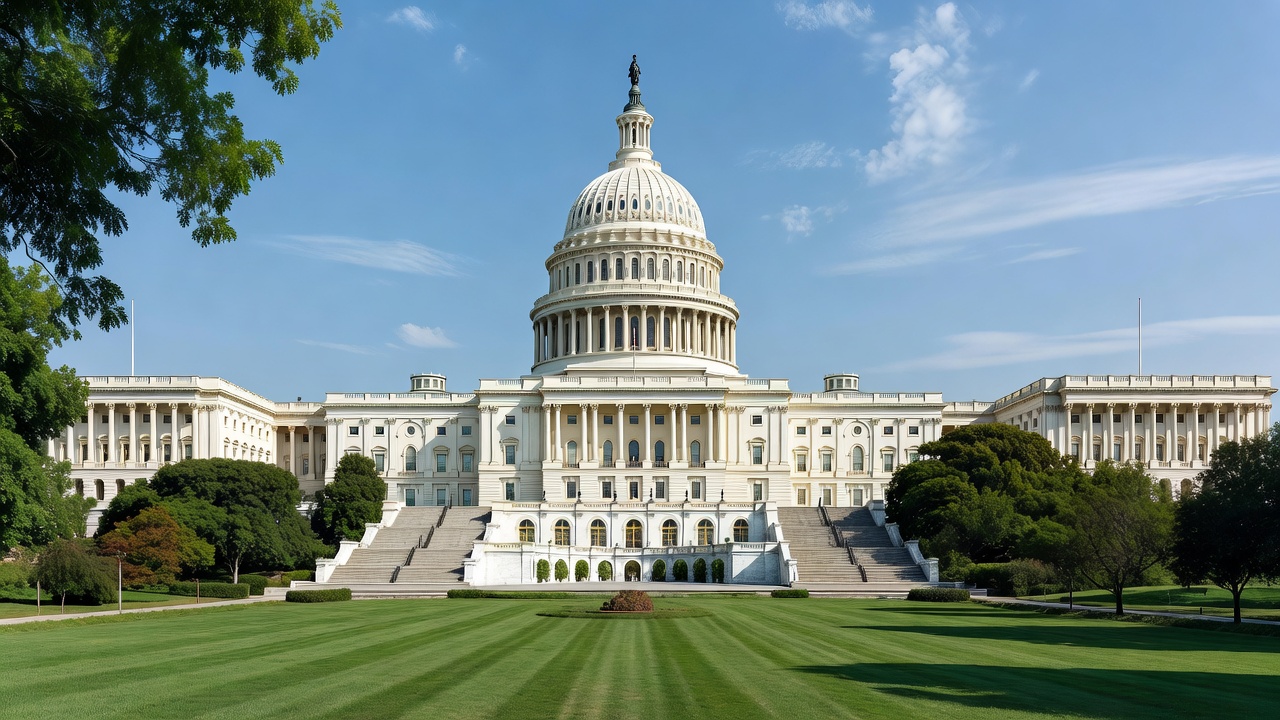
Democrats seized control of both chambers of Congress in the November 3, 2026, midterm elections, flipping seven Republican-held Senate seats to reach a 53-42 majority according to live results compiled by The Economist. The party also secured a House majority with a net gain of 25 seats, pushing its total past the 218 needed based on 343 districts counted. Reuters reported that these victories extended into longtime Republican strongholds, constraining Trump’s ability to advance his legislative priorities or appointments over the final two years of his presidency. The outcomes reflected voter discontent with recent tariffs and economic pressures linked to international conflicts.
Texas Democrat James Talarico defeated Republican Ken Paxton in a contest that became the cycle’s most expensive Senate race, marking the first Democratic Senate win in the state since 1988, CNN reported. In Kansas, Methodist minister Adam Hamilton became the first Democrat elected to the Senate from that state since 1932, a Guardian assessment found. South Carolina saw Democrat Annie Andrews prevail over Darline Graham for a seat in Republican hands since 1964, while flips also occurred in Iowa, Ohio and North Carolina according to multiple projections. These gains came despite heavy Trump involvement in Republican primaries that appeared to backfire.
House results showed Democrats capturing additional districts in states including Texas, North Carolina and Pennsylvania, contributing to their majority according to BBC News tracking. The chamber flip gives the party leverage over spending bills and oversight, areas where Republican control had previously allowed smoother advancement of the administration’s plans. Industry observers noted that concerns over rising costs from tariffs and fuel prices tied to the Iran conflict drove shifts even in districts Trump won handily two years prior.
Several gubernatorial contests produced milestones alongside the congressional changes. Keisha Lance Bottoms won election as Georgia governor, becoming the first Black woman to hold that office in any US state, PBS News confirmed. Texas voters chose Democrat Gina Hinojosa as the state’s first Latina governor, ending more than 30 years of Republican dominance there. New Hampshire Democrat Chris Pappas secured a Senate seat to become the first openly gay man elected to the chamber, adding to the night’s historic roster of breakthroughs.
Ecstatic scenes erupted at Democratic watch parties across the country as results rolled in. In Austin, crowds celebrated Talarico’s victory with chants and embraces after he told supporters, “Tonight we defeated Goliath.” Atlanta supporters erupted in sustained applause when Bottoms was projected the winner, with the BBC describing the atmosphere as one of disbelief turning to joy. Similar celebrations unfolded in Raleigh for Roy Cooper’s Senate win and in other flipped states, underscoring the emotional weight of gains in places long considered unreachable.
President Trump responded by telling Fox News that Democrats “did a good job” while citing the war with Iran and resulting higher fuel prices as elements that hurt his party’s candidates, accounts in The Guardian stated. Incoming Senate Majority Leader Chuck Schumer declared, “Wow! Wow! Now, against all odds, we Democrats have won the Senate,” and promised that “relief is on the way.” House Democratic Leader Hakeem Jeffries framed the night as the beginning of “the great American comeback” in a speech to elated supporters.
The midterm campaign had been influenced by Trump’s early tariff policies and primary interventions that shaped the Republican field, a Roll Call review of the cycle concluded. Voter turnout reflected broad unhappiness with those approaches, producing a wave comparable to past midterms that punished the president’s party. Full certification of results will confirm final margins, but the scale of the shift already positions Democrats to shape policy debates through the remainder of the decade.