ع



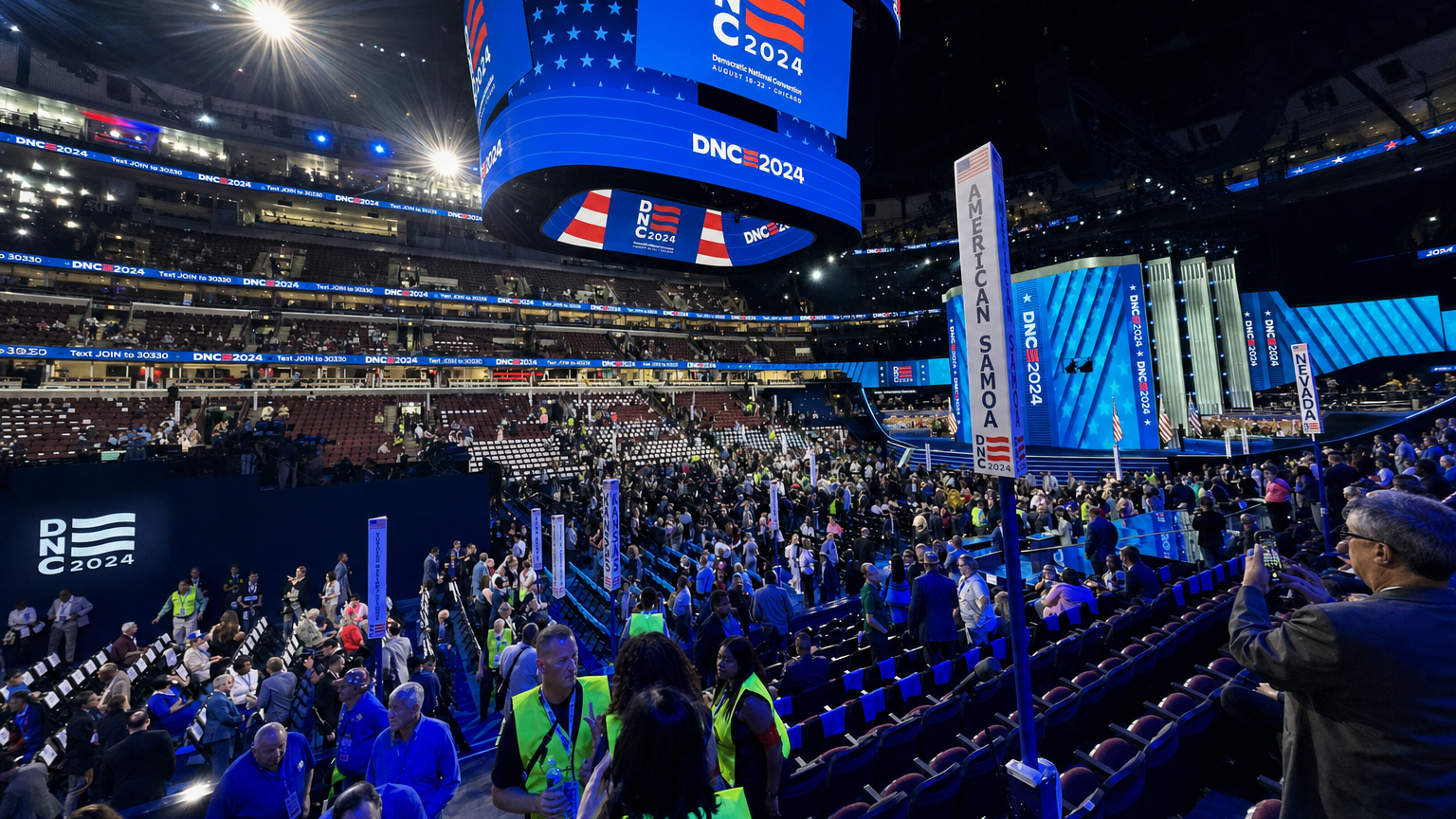
A report published Thursday by BBC News describes a brewing fight within the Democratic Party between institutionalists seeking incremental change and reformists demanding broader transformation, a conflict that remained subdued during the 2024 presidential race due to the abrupt transition from President Joe Biden to Vice President Kamala Harris. Ruy Teixeira, a senior fellow at the American Enterprise Institute, told the outlet that the party’s identity remains cloudy and largely defined by opposition to the Trump administration rather than a cohesive platform. This assessment aligns with broader examinations of the party’s challenges following its 2024 electoral defeat.
The BBC report noted that even substantial gains in the upcoming midterm elections would fail to settle deeper questions about the party’s direction as it prepares for the 2028 presidential contest, with persistent divides between its centrist and left-leaning wings. According to a March 2025 Axios compilation of Democratic viewpoints, at least 10 competing theories explain the 2024 loss, ranging from overreliance on an aging Biden to Harris’s shortcomings and an excessive focus on cultural rather than economic issues. These conflicting explanations underscore the absence of a unified postmortem within the party.
Focus group research by Navigator Research, as reported by Politico in December 2024, revealed that even some former Democratic supporters described the party as weak, overly centered on diversity initiatives and elites while neglecting working-class concerns. Participants likened Democrats to animals such as an ostrich with its head in the sand or a complacent koala, highlighting perceptions that the party no longer prioritizes kitchen-table issues. The findings pointed to problems extending beyond any single candidate or cycle.
A New York Times analysis from June 2026 detailed strains in the Democratic coalition, noting that white, college-educated liberals often drive cultural and identity-focused policies that can alienate more moderate minority voters. Pew Research Center data cited in the report showed 75 percent of Black Democrats expressed absolute certainty in God compared with 29 percent of white Democrats, while 65 percent of Black Democrats prayed daily versus 24 percent of their white counterparts. YouGov polling from January 2024 further indicated white Democrats were nearly twice as likely as Black Democrats to say societal acceptance of gay, lesbian and bisexual people had not gone far enough.
An NBC News poll referenced across several outlets placed the Democratic Party’s approval rating at 27 percent in 2025, the lowest in surveys dating back to 1990, reflecting widespread frustration even among core supporters. A Democratic National Committee autopsy of the 2024 results, released in May 2026 and reported by Reuters, attributed losses to insufficient outreach to male, non-college-educated and rural voters while criticizing an emphasis on identity politics over economic messaging, though DNC Chairman Ken Martin publicly stated the document did not meet his standards. The report also highlighted underfunding of state parties and a failure to connect with irregular voters.
As one analysis framed it, Democrats have an identity crisis – it won’t be an easy fix, a sentiment echoed in assessments from The Atlantic and other outlets that call for the party to recalibrate its approach to cultural issues that may have distanced it from segments of its traditional base. Brookings Institution data tracked in the New York Times showed the share of white Democrats identifying as liberal rising 29 percentage points since the early 2000s, outpacing shifts among Black and Hispanic Democrats. Party leaders continue to debate strategies for reconnecting with working-class voters ahead of future contests.