ع
ع


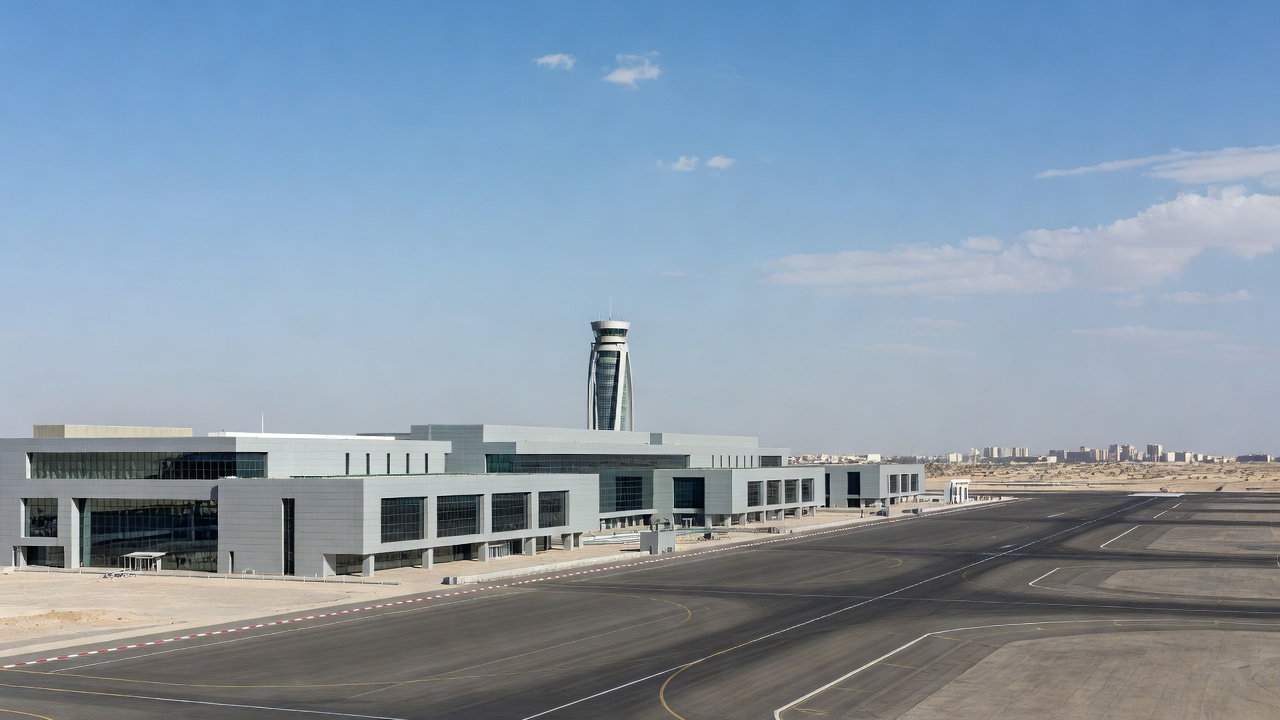
The Saudi-led coalition reported that an unidentified projectile struck Terminal 4 at King Khalid International Airport in Riyadh on October 11 2026, sparking a fire with some injuries reported among those present. Coalition air defenses intercepted a cruise missile in the vicinity of the facility during the incident, according to statements from its spokesman Major General Turki al-Malki. The strike came hours after Yemen’s Houthis renewed warnings to airlines and travelers to avoid Saudi airports and airspace, with the exception of facilities in the holy cities of Mecca and Medina. Riyadh’s main international airport, which serves a city of roughly eight million people and ranks as the kingdom’s second-busiest, remained closed following the latest attack.
Saudi Arabia’s General Authority of Civil Aviation placed the death toll from the previous day’s strike at 12, with 309 people wounded, some of them critically. The victims included four Saudi nationals, two Bangladeshis and one citizen each from the United States, Egypt, Jordan, Syria, Palestine and Sudan, GACA figures show. That October 10 assault marked the third Houthi attack on the airport in a week and the deadliest on Saudi soil in more than a decade, according to multiple regional security assessments. Property damage from the missile that hit a domestic terminal complex was still being assessed as operations stayed suspended into Sunday.
Houthi military spokesman Brig Gen Yahya Saree said the group had carried out multiple phases of operations against the airport over the preceding 24 hours using a combination of ballistic missiles, cruise missiles and drones. “The airports and airspace are exposed to targeting and constitute a theatre of operations for our forces, with the exception of the airports in (the holy cities of) Mecca and Medina,” Saree wrote on X in a statement relayed by Reuters. The Iran-backed group stopped short of claiming direct responsibility for the October 10 strike that killed 12 but had earlier taken credit for two prior attacks on the same facility earlier in the week that left at least four dead, including a Saudia pilot, and damaged a commercial aircraft on the tarmac.
Al Jazeera reported that the latest violence represents a sharp escalation in the Yemen conflict, where Saudi Arabia backs the internationally recognised government against Houthi advances that have included a recent offensive along the Red Sea coast and around the city of Taiz. The attacks follow the unraveling of a fragile ceasefire and come amid broader regional spillover from tensions involving Iran and the United States, according to analysts cited by the outlet. Saudi air forces have conducted hundreds of strikes on Houthi positions in Yemen over recent weeks in response to the renewed ground fighting, the Saudi-led coalition said.
Authorities in the capital shifted all schools to remote learning from October 11 through the end of the week while extending the airport closure at least until 9 p.m. local time on Sunday, CBC News reported, citing Saudi government notifications to parents and aviation officials. More than 600 flights were canceled across the weekend, with hundreds more delayed, according to data from Flightradar24 compiled by Reuters. The disruptions affected both passenger travel and cargo operations at the hub, which handles significant volumes of international and domestic traffic.
U.S. President Donald Trump described the October 10 attack as “terrible” and indicated his administration was reviewing whether to join Saudi strikes against the Houthis, a step he had previously resisted, CNN and Al Jazeera reported. United Nations Secretary-General António Guterres condemned the strike, stating that attacks on civilians and civilian infrastructure violate international law. The Saudi-led coalition described the assault as a “full-fledged war crime” and “cowardly terrorist attack” on a civilian target, vowing a firm and decisive response. Widespread international condemnation followed, with statements highlighting the strike’s impact on civilians and the need to protect aviation infrastructure.
An Armed Conflict Location and Event Data Project review of cross-border attacks found that the Houthis conducted nearly 1,000 rocket and missile strikes along with more than 350 drone attacks against Saudi targets between 2015 and 2022, often focusing on civilian airports in the south such as Abha. The current incidents at Riyadh airport follow a pattern of repeated targeting that intensified in 2019 with strikes that killed civilians and damaged infrastructure, according to the ACLED assessment. The October 2026 attacks have now surpassed earlier tolls to become the deadliest in the kingdom since 2015, Reuters analyses show.