ع
ع


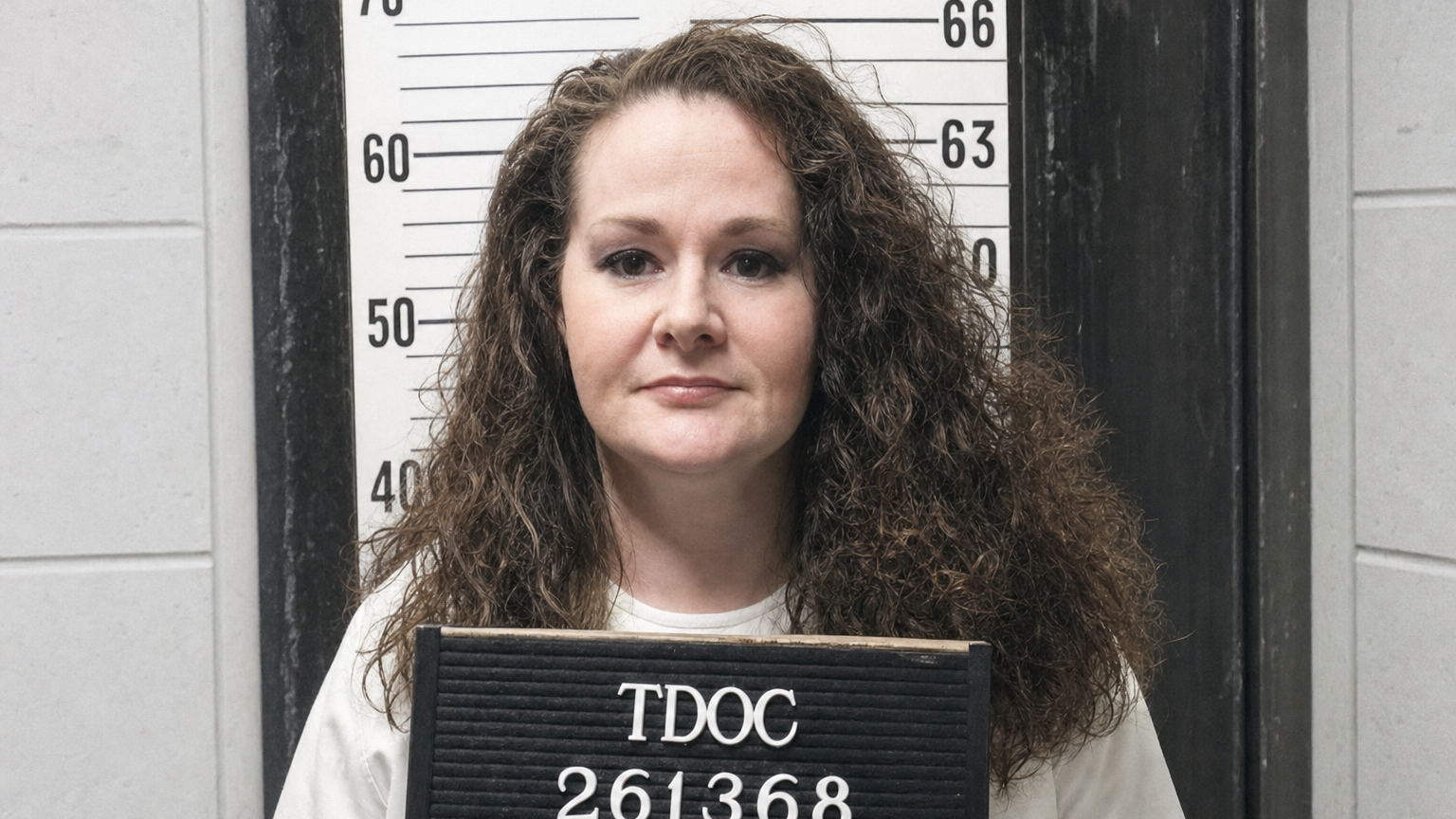
Pike’s attorney Stephen Ferrell provided the update in an interview broadcast on BBC Radio 4’s Today programme, noting that the inmate had started moving around her hospital room for the first time. Ferrell, who has not spoken directly with Pike, described her as mentally foggy with a tendency to lose her train of thought and forget where she is going. The lawyer added that her arms remain badly injured from the multiple IV insertion attempts, limiting their use even as she regains mobility.
According to court filings and statements from her legal team, the September 30 procedure at Riverbend Maximum Security Institution involved at least seven needles in one arm as staff struggled to establish intravenous access. Pike could be heard crying, whimpering and complaining of burning sensations and throbbing while the pentobarbital was administered, her attorneys said. She survived both doses of the drug and was transported by ambulance to Vanderbilt University Medical Center, where she was initially unconscious, intubated and placed on a ventilator.
Tennessee Governor Bill Lee ordered a third-party investigation into the events and placed a moratorium on the state’s remaining execution scheduled for later in 2026, his office said in a statement issued shortly after the attempt. The state’s Department of Correction commissioner, who oversaw the procedure, is stepping down next month after facing questions about prior problematic executions under his leadership. Pike’s lawyers have called the episode chemical torture and demanded that her death sentence be commuted to life imprisonment.
Pike’s defense team had previously alerted officials that her thrombocytosis and small veins would complicate IV placement and risked causing exactly the complications that occurred, according to pre-execution legal motions. Randy Spivey, who witnessed the process from the chamber, reported seeing her right arm turn purple and counting multiple failed needle insertions, one of which appeared bent upon removal. A subsequent court hearing resulted in an order to preserve all related evidence, including syringes, communications, video recordings and the batch of pentobarbital used.
Tennessee court records show Pike was sentenced to death for her role in the 1995 torture and murder of 19-year-old Colleen Slemmer, an attack that involved a box cutter, carving a pentagram and smashing the victim’s skull with a rock. Pike was 18 at the time of the crime, while her co-defendant received a life sentence. She has spent more than three decades in solitary confinement at a Nashville facility, during which supporters say she has shown signs of rehabilitation.
A judge granted the defense request for independent testing of the evidence to determine why the drug failed to stop Pike’s heart, her attorneys stated following the hearing. Medical staff considered removing life support on October 5 after she showed no response, but she regained consciousness the next day and spoke her first words asking where she was. Lawyers have raised concerns that she remains handcuffed to her hospital bed against medical advice while recovering from pneumonia and a blood clot.
Her legal team told reporters that Pike is aware the state attempted to execute her and remains angry and confused about the experience. The case represents the first known instance of a prisoner surviving a full lethal injection procedure in the United States, according to death penalty monitors and legal experts tracking such cases. Questions persist over whether Tennessee will attempt to carry out a second execution once Pike is medically cleared.