ع
ع


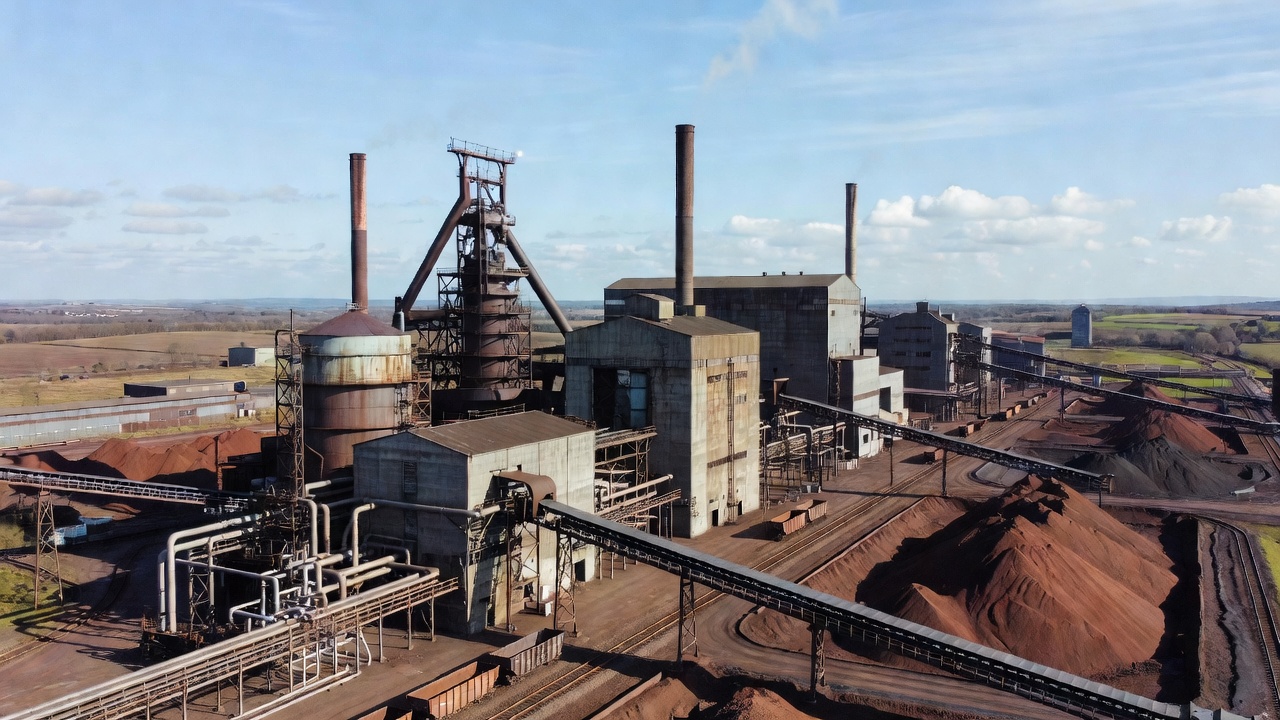
China’s commerce ministry stated that it firmly opposes and is strongly dissatisfied with the British government’s decision to nationalise British Steel, while adding that the action had seriously infringed upon Jingye Group’s legitimate rights and interests. The ministry said the move had severely undermined the confidence of Chinese companies investing in the UK and had disregarded the owner’s significant contribution to the British economy and society by taking control in the name of national security. It called on London to fulfil its obligations under the countries’ 1986 bilateral investment treaty, according to reports from the Associated Press and other outlets, and pledged to monitor developments closely while backing its enterprises in defending their interests through legal means.
The nationalisation follows the government’s takeover of operations at the Scunthorpe works in April 2025 after Jingye indicated it might close the site’s blast furnaces, the last in the UK producing virgin steel from raw materials. Business Secretary Peter Kyle has said public ownership gives authorities the power to secure the plant’s future and that the government will cover running costs for the immediate future even though an earlier National Audit Office assessment placed those daily expenses at £1.3 million. The UK had viewed potential closure as a threat to long-term economic security and sovereign steelmaking capability, prompting parliamentary approval of legislation this week to complete the process.
Jingye Group, which completed its purchase of British Steel in 2020 and says it has since invested more than £1.2 billion in equipment upgrades, job protection and green transition efforts, has demanded prompt, adequate and effective compensation under the bilateral treaty, a Reuters dispatch reported. The company had previously highlighted operating losses of around £700,000 a day at Scunthorpe, which directly employs 2,700 staff representing about three-quarters of its UK workforce. An Oxford Economics analysis found that British Steel underpins £9.8 billion of economic activity and supports 142,000 jobs across its supply chain, while UK government sources have indicated any compensation payout could be limited.
House of Commons Library figures show the domestic steel industry contributed £1.7 billion in gross value added to the UK economy in 2024, equivalent to 0.1 percent of total output, with crude steel production reaching 5.6 million tonnes in 2023 or 0.3 percent of the global total. That compares with China’s output of more than one billion tonnes, which accounted for 54 percent of world supply the same year, according to industry data compiled in the briefing. The nationalisation aligns with the government’s first Steel Strategy, released in March, that commits up to £2.5 billion in targeted support, introduces trade measures reducing tariff-free import quotas by 51 percent and sets an ambition for half of all steel used in the UK to be produced domestically.
The move comes as Andy Burnham prepares to take office as prime minister on Monday after his confirmation as Labour leader, adding a layer of diplomatic sensitivity to UK-China relations at the outset of the new administration. Officials have stressed that while the government has no desire to run the business indefinitely given the ongoing costs, public ownership provides stability to protect critical supply chains for construction, infrastructure, defence and energy projects. The incoming leadership will now weigh options for a longer-term sustainable model that balances industrial needs with fiscal pressures.