
 ع
ع


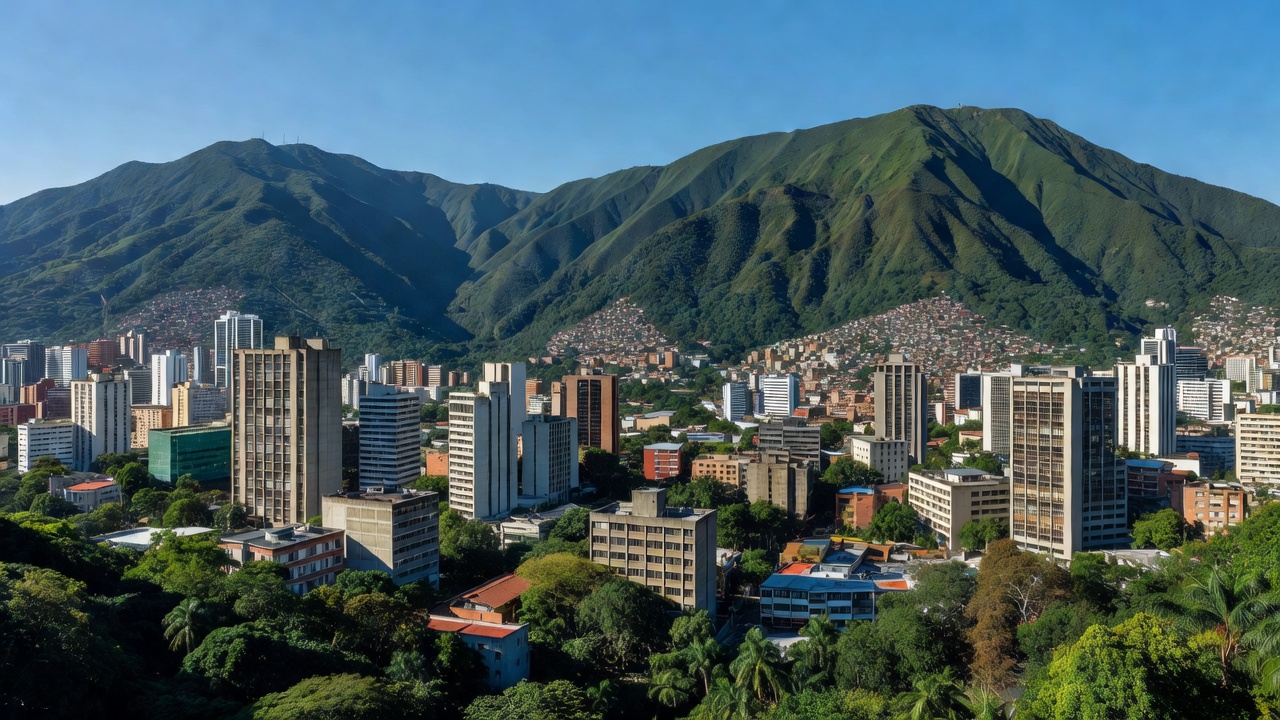
Six months after US forces captured Nicolás Maduro on January 3, Caracas residents told the BBC the country is experiencing what feels like the hardest moment in its modern history as the interim government contends with a protracted humanitarian crisis. The operation, which resulted in the detention of Maduro and his wife Cilia Flores on narco-terrorism charges, prompted a national state of emergency with security forces patrolling the streets, according to a Council on Foreign Relations assessment. More than 7.9 million Venezuelans have emigrated since the crisis intensified, United Nations-linked reports show, while daily challenges with services and supplies persist despite reported economic growth in prior years.
The January 3 raid, known as Operation Absolute Resolve, involved special operations troops and led to at least 50 deaths including one civilian, ACAPS data indicated. Delcy Rodríguez was sworn in as interim president shortly afterward, with the US administration signaling possible long-term oversight of Venezuelan affairs through oil arrangements. A press release from the US Department of Energy outlined plans to sell up to 50 million barrels of previously sanctioned Venezuelan oil, with revenues to be managed at US discretion.
The BTI Project 2026 Venezuela Country Report placed income poverty at 82.8 percent and extreme poverty at 50.5 percent, citing the latest National Survey of Living Conditions. Despite GDP growth of 6.2 percent in 2024 according to Economic Commission for Latin America and the Caribbean estimates, the economy remains less than half its 2013 size, an International Monetary Fund assessment found. Oil production has declined sharply over the past decade due to underinvestment and infrastructure decay, with facilities neglected and stripped of components as noted in multiple economic analyses.
Human Rights Watch documented that multidimensional poverty affects access to food, medicine and basic services for a significant portion of the 26.7 million residents. The crisis originated in policy decisions and falling oil prices during the Chávez era before deepening under Maduro, with US sanctions from 2017 contributing to further contraction per a US Government Accountability Office review. One resident interviewed by the BBC stated, “In Caracas, this feels like the hardest moment in Venezuela’s modern history.”
Interim authorities have released some political prisoners since the change in leadership, The New Humanitarian reported, yet civic space remains restricted with opposition figures either in exile or hiding. Reconstruction of the oil sector would require billions in long-term investment, experts cited by the Council on Foreign Relations warned. Trump administration statements have offered no clear timeline for a democratic transition or full US withdrawal.
The combination of internal displacement risks and strained public services has compounded vulnerabilities, particularly for children and low-income households, an ACAPS briefing from January noted. Venezuelan university surveys referenced in external reports confirm that roughly three-quarters of the population lived in poverty in 2024. Conditions in Caracas reflect broader national trends, with commercial activity limited to areas holding foreign currency access while most residents face informal labor and insufficient wages.