

 ع
ع


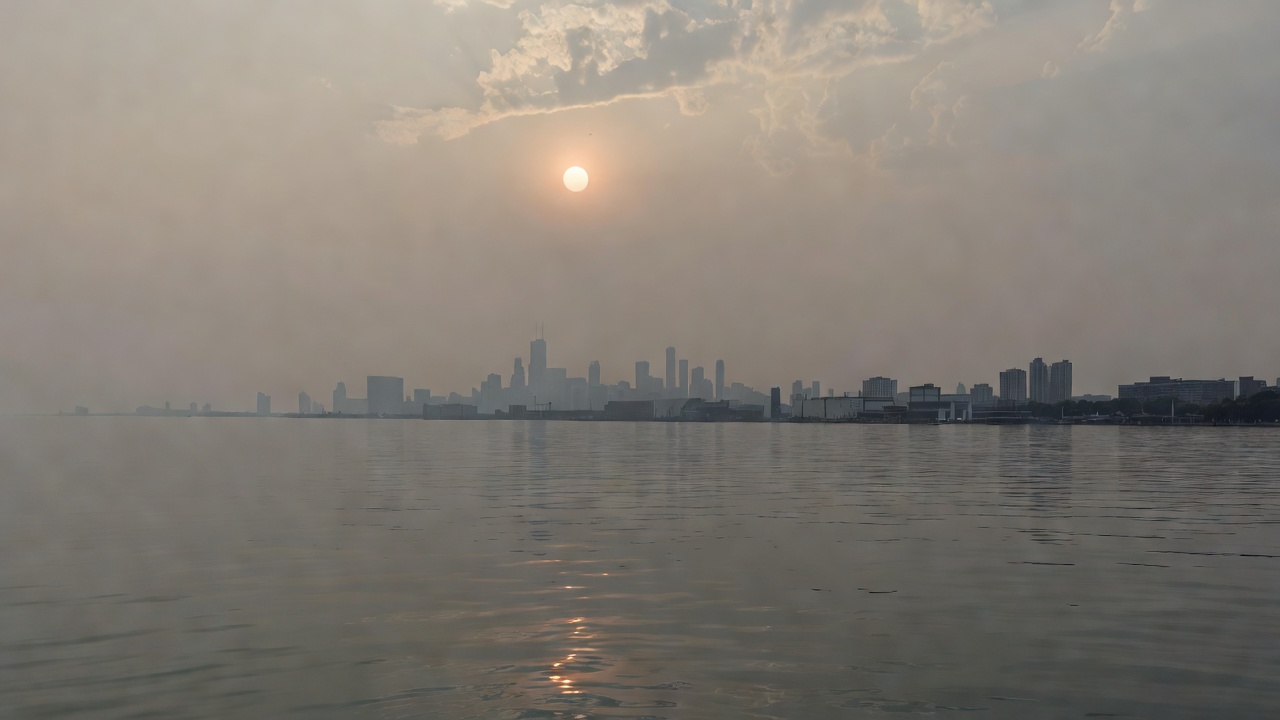
The Canadian Interagency Forest Fire Centre reported 888 active wildfires burning across the country as of July 16, with the vast majority out of control and 23 new blazes spotted the previous day. Year-to-date figures from the centre place the total area burned at more than 2.4 million hectares, a scale that has already surpassed many recent seasons according to Canadian Wildland Fire Information System data. Ontario clusters have produced the thickest smoke plumes, which a National Weather Service assessment traced drifting across the Great Lakes.
National Weather Service bulletins placed more than a dozen states under air quality alerts, extending from Minnesota and Michigan through the Northeast corridor to parts of Virginia, with pollutant levels reaching hazardous thresholds in multiple locations. AirNow and IQAir monitoring placed Detroit atop global rankings at times with an AQI exceeding 500, followed closely by Minneapolis and Toronto, while a CNN compilation noted unhealthy readings from Chicago to Cleveland. The agency advised residents in affected zones to remain indoors and limit outdoor activity, particularly those with respiratory conditions.
A New York Times interactive tracking map showed smoke originating primarily from Canadian sources spreading south and east, reducing visibility and altering sunrise colors in New York while forecasts from Fox Weather indicated further deterioration through the weekend in Pittsburgh, Philadelphia and Baltimore. The National Weather Service warned that cold fronts could push additional plumes toward the I-95 corridor, potentially impacting large gatherings. Minnesota Pollution Control Agency readings confirmed state-record smoke concentrations in some areas earlier in the week.
Canadian authorities confirmed a freight train had become encircled by flames near Armstrong in Ontario, though all crew members were rescued safely according to Canadian National Railway statements. The Canadian Interagency Forest Fire Centre noted that incoming thunderstorms offered limited relief because much of the rain would miss the hottest fire zones. Wind patterns documented by NOAA are expected to shift by early next week, directing remaining smoke toward Quebec and allowing gradual improvement in US air quality south of the border.
For context, a Wikipedia compilation drawn from official tallies listed more than 3,500 fires year-to-date through mid-July with four deaths and over 1,000 people evacuated, figures that align with a Climate Institute summary placing 2025 as the second-worst season on record. The National Weather Service extended alerts to cover 17 states and the District of Columbia at peak, according to a Yahoo News Canada aggregation of agency releases. Public health guidance from the Environmental Protection Agency reinforced that fine particulate matter from the smoke poses acute risks even at moderate distances from the flames.
Forecast models cited by Fast Company and Forbes anticipated the plume would continue influencing the Midwest and Northeast at least through Saturday before dispersion improves, with real-time maps from multiple agencies allowing residents to track hourly changes. The Canadian Interagency Forest Fire Centre maintains that resource deployment remains at elevated preparedness levels to address ongoing ignition risks. Officials continue to monitor the cross-border impacts as the fire season progresses.