

 ع
ع


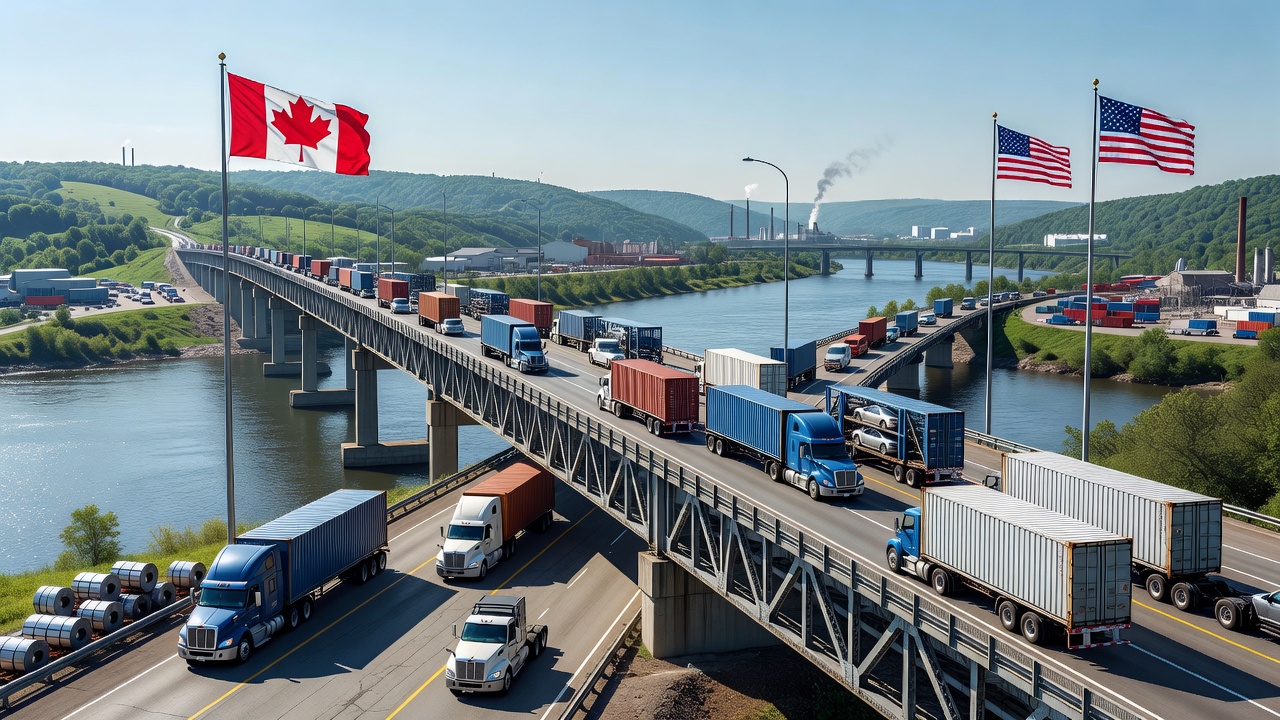
Canadian and American trade officials held one of their longest bargaining sessions yet on August 21 2026 as the clock ticked toward a midnight deadline to reach a tentative agreement or trigger fresh United States tariffs on roughly 20 billion dollars worth of Canadian goods. Dominic LeBlanc Canada’s minister responsible for United States trade told reporters upon leaving meetings with US Trade Representative Jamieson Greer that negotiators have more work to do. “We’re going to continue working up until the last minute. Our job is not finished” LeBlanc said according to accounts from both Canadian and American media. The talks capped three consecutive days of intensive negotiations that followed an earlier three-day extension granted by President Donald Trump who cited progress toward a deal that could also revive stalled energy projects.
Details circulating from the closed-door sessions suggest Washington would cut tariffs on Canadian steel and aluminium from 50 percent to 25 percent while lowering duties on automobiles from 25 percent to 15 percent in exchange for Canadian steps to expand market access for American dairy producers restore US alcohol sales in provincial stores and drop certain retaliatory levies. A Wall Street Journal report on the prospective terms indicated the adjustments could ease tensions that have persisted since the imposition of broad tariffs earlier in 2025 and 2026. Trump told reporters the discussions with Canada were moving along positively while adding that a separate improved deal with Mexico was also under way.
The negotiations unfold against a backdrop of mixed reactions across Canada where Conservative Opposition Leader Pierre Poilievre described any pact featuring one-sided tariffs on key industries as a bad deal that risks accelerating de-industrialisation. Manitoba Premier Wab Kinew publicly criticised the emerging framework and called for Canada to fight harder for favourable terms while Quebec Premier Christine Fréchette whose province hosts a major dairy sector said she was still assessing impacts on local farmers. Ontario Mayor Matthew Shoemaker whose city is home to a major steel producer told local media that a deal retaining 25 percent tariffs on the sector would not be cause for celebration.
Economists have quantified the potential damage if the threatened 50 percent tariffs take full effect with an analysis by University of Calgary professor Trevor Tombe warning of up to 90,000 Canadian job losses across affected sectors. According to a Tax Foundation assessment of the wider trade dispute sustained tariffs on integrated supply chains could shave measurable points from North American GDP growth and eliminate hundreds of thousands of positions when ripple effects are included. A Congressional Research Service overview placed the value of US imports from Canada subject to duties at more than 50 billion dollars annually or about 13 percent of total bilateral flows underscoring the stakes for both economies.
This round of bargaining continues a trade war that began intensifying in 2025 when the Trump administration applied Section 232 and related measures on Canadian metals autos and other products prompting Canadian retaliation on billions of dollars in US exports. Reuters reports indicated the latest threatened tariffs targeted goods from hockey equipment and wine to cement and would apply even to items compliant with the USMCA. Canadian provinces have played a pivotal role in the current talks since restoring US alcohol sales on liquor shelves is a reported precondition for tariff relief on metals and vehicles.
Prime Minister Mark Carney who entered office emphasising a firm elbows-up approach toward Washington must now balance business pressure to avert economic harm with public sentiment that a Leger poll showed favours a hardline stance by a 56 percent majority. Leaked remarks from US Vice-President JD Vance suggested the administration believes Canada has already made significant concessions despite Ottawa’s portrayal of the talks. With the immediate deadline now passed without a final announcement both sides indicated they would keep negotiating to preserve the daily cross-border trade that underpins millions of jobs on each side of the border.