ع
ع


Civil Guard officers discovered the British pair near the hardest-hit village of Bedar in the early hours of Friday morning after hearing their faint cries for help during searches for survivors, according to Sergeant Pedro Barre. The rescuers descended a hillside to reach the hikers, who were semi-conscious and in critical condition with severe burns across 40 percent of their bodies after apparently being caught while out hiking as the blaze spread rapidly on Thursday. The couple were airlifted to a hospital in Seville for intensive care treatment, where they remained as of Saturday, Andalusia regional officials reported. One rescuer, Rafael Zea, described the moment as unforgettable, noting the titanic effort the victims made to call out despite their injuries.
The wildfire that erupted amid a punishing heatwave with temperatures around 40 degrees Celsius burned through 6,600 hectares across Almeria’s Los Gallardos area, a zone popular with foreign residents and expats, according to data from Andalusia’s emergency services. At least 12 people died in the flames, the majority of them foreign nationals including four Britons who perished inside vehicles while attempting to flee, the regional government of Andalusia stated, though some updates from emergency services adjusted the toll to 11. Eight others suffered injuries, four of them severe, while initial reports listed 23 people as missing before forensic identification efforts began in Madrid using DNA samples from victims and relatives. The losses mark one of the deadliest wildfires in modern Spanish history, surpassing many previous incidents in scale of immediate impact.
Sergeant Pedro Barre told Spain’s TVE state broadcaster that experience guided the team to persist in their search, saying “As you gain more experience, something inside you tells you, ‘Look again, try one more time.'” He recounted how the rescuers followed the sounds and climbed down to locate the couple, adding “We’ll never forget that look of surprise and emotion on their faces.” Rafael Zea, another officer involved, emphasised the victims’ dire state yet remarkable ability to signal for assistance, according to the same broadcast. The operation formed part of a wider effort involving hundreds of firefighters, military units, law enforcement and 30 aircraft deployed across the fire zone.
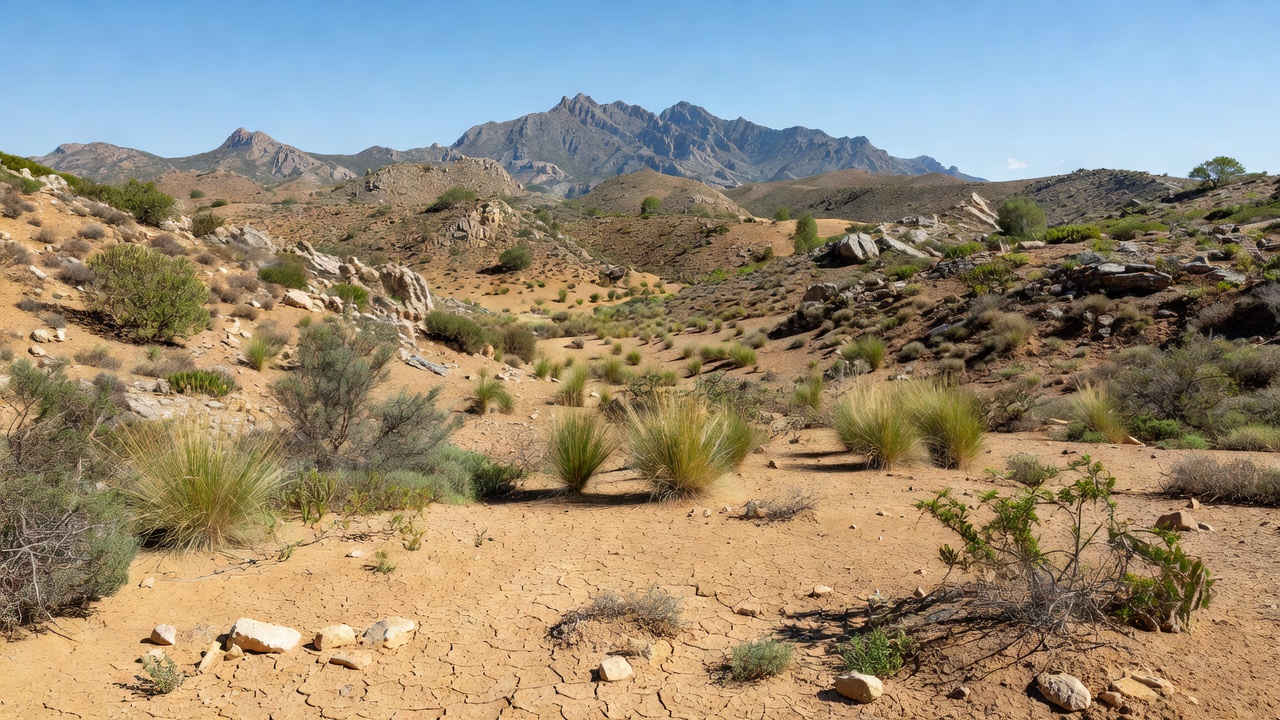
By Saturday regional emergency chief Antonio Sanz reported that firefighters had gained significant ground against the blaze thanks to calmer winds and rising humidity levels that aided containment operations. Roughly 600 of the nearly 1,500 residents evacuated from the affected zones received clearance to return home, Sanz announced, even as crews continued monitoring hotspots in the semi-arid terrain near the Sierra de Los Filabres mountains. Los Gallardos mayor Francisco Miguel Reyes described the scene to Spanish radio station Cadena SER as feeling like a bomb had fallen, marking the first time the community had confronted a fire of such destructive force. The area’s high concentration of overseas residents amplified the human impact, with many among the dead and injured believed to be visitors or expatriates.
Forensic scientists faced delays in formally identifying all victims because collecting authenticated DNA samples from family members scattered across countries proved challenging, according to statements from authorities in Madrid. This wildfire ranks among Spain’s most lethal on record, comparable to the 1984 blaze on La Gomera island that killed 20 people and a 1979 forest fire near Lloret de Mar that claimed 21 lives including nine children, Euronews assessments found. Separate fires across southern Europe this summer, including in France where more than 10,000 residents were evacuated from the Pyrenees foothills, have underscored seasonal vulnerabilities, with French police arresting 32 individuals on suspicion of deliberately starting blazes.
Climate change has intensified such events by driving faster temperature rises across Europe, which is warming at twice the global average and experiencing more frequent extreme heatwaves that dry out vegetation and heighten fire risks, the Copernicus Climate Change Service data shows. Spanish authorities continue to coordinate large-scale responses as investigations into the Almeria fire’s origin proceed alongside support for displaced residents and tourists. The survival of the rescued British couple stands in contrast to the fatalities, highlighting both the dangers of sudden wildfire spread in rugged terrain and the effectiveness of persistent search operations in locating those who veered off designated evacuation routes.