The Iranian Revolutionary Guard Corps fully closed the Strait of Hormuz on April 18, 2026, and fired on ships attempting to pass the waterway in response to a reported U.S. blockade during the war involving Israel and the United States, AP News reported. The action has brought commercial traffic to a virtual halt through the passage that carries roughly one-fifth of global petroleum supplies, according to pre-war U.S. Energy Information Administration data. Oil markets, already strained since the conflict began in late February, face further upheaval as a result.
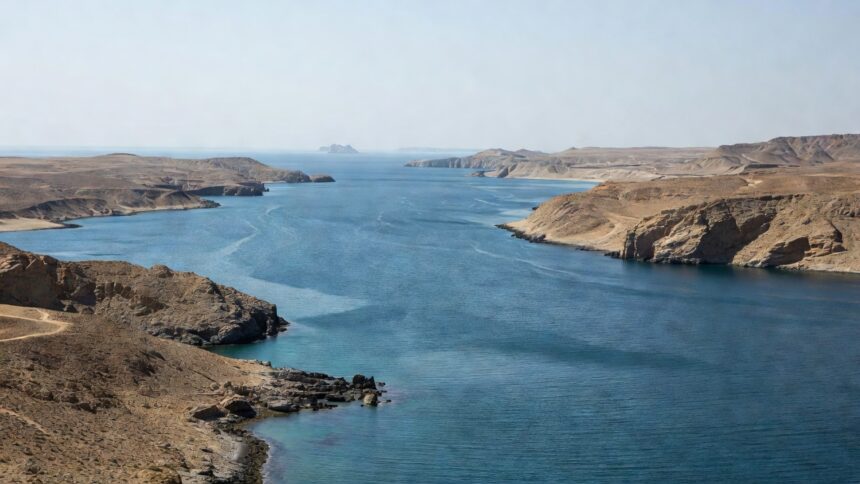
The AP News dispatch described the Revolutionary Guard’s move as a complete shutdown, with warnings issued against any vessels seeking to defy the closure amid the ongoing hostilities. Initial accounts did not provide specifics on damage from the reported firing or confirm involvement of commercial tankers versus military assets. The narrow strait between Iran and Oman represents the only sea route for oil exports from multiple Gulf producers, amplifying the significance of even temporary restrictions.
According to a Brookings Institution analysis published in June 2026, the war has produced the largest disruption in oil market history, with tanker transits falling sharply as insurance became unavailable or prohibitively expensive for operators. World Bank data places the March 2026 drop in global oil supply at 10.1 million barrels per day, driven by infrastructure attacks and the Hormuz restrictions. A separate CEPR assessment projected that a one-quarter closure would push WTI crude prices to peak near $94 per barrel and add 0.6 percentage points to U.S. headline inflation for the year.
The U.S. Energy Information Administration figures show that flows through the strait averaged 20 million barrels per day in 2024, equivalent to about 20 percent of global petroleum liquids consumption and more than one-quarter of seaborne oil trade. DW reporting noted that prices climbed to around $120 per barrel in the early phase of the conflict before moderating somewhat, though the sustained closure continued exerting pressure. Investopedia cited AAA data indicating U.S. gasoline prices had risen above $4 per gallon as one measurable domestic effect.
A World Economic Forum review of the crisis highlighted impacts extending beyond oil to liquefied natural gas and other Gulf commodities, with nine specific goods affected by the shipping disruptions. The International Energy Agency, as referenced in the World Bank report, characterized the supply shock as unprecedented in scale. Analysts from multiple institutions agreed that full market normalization would require months even after any reopening, due to the need for repairs, repositioning of vessels and replenishment of inventories.
Diplomatic activity intensified in the weeks following the April closure, with AP News noting related G7 discussions on economic fallout and potential de-escalation paths. The conflict originated on Feb. 28, 2026, according to multiple outlets covering the initial exchanges. Later developments, including a June agreement to reopen the strait, emerged against the backdrop of these earlier disruptions that reshaped global energy trade patterns.